
What 'Off-Season' Travel Actually Means at Popular US Destinations
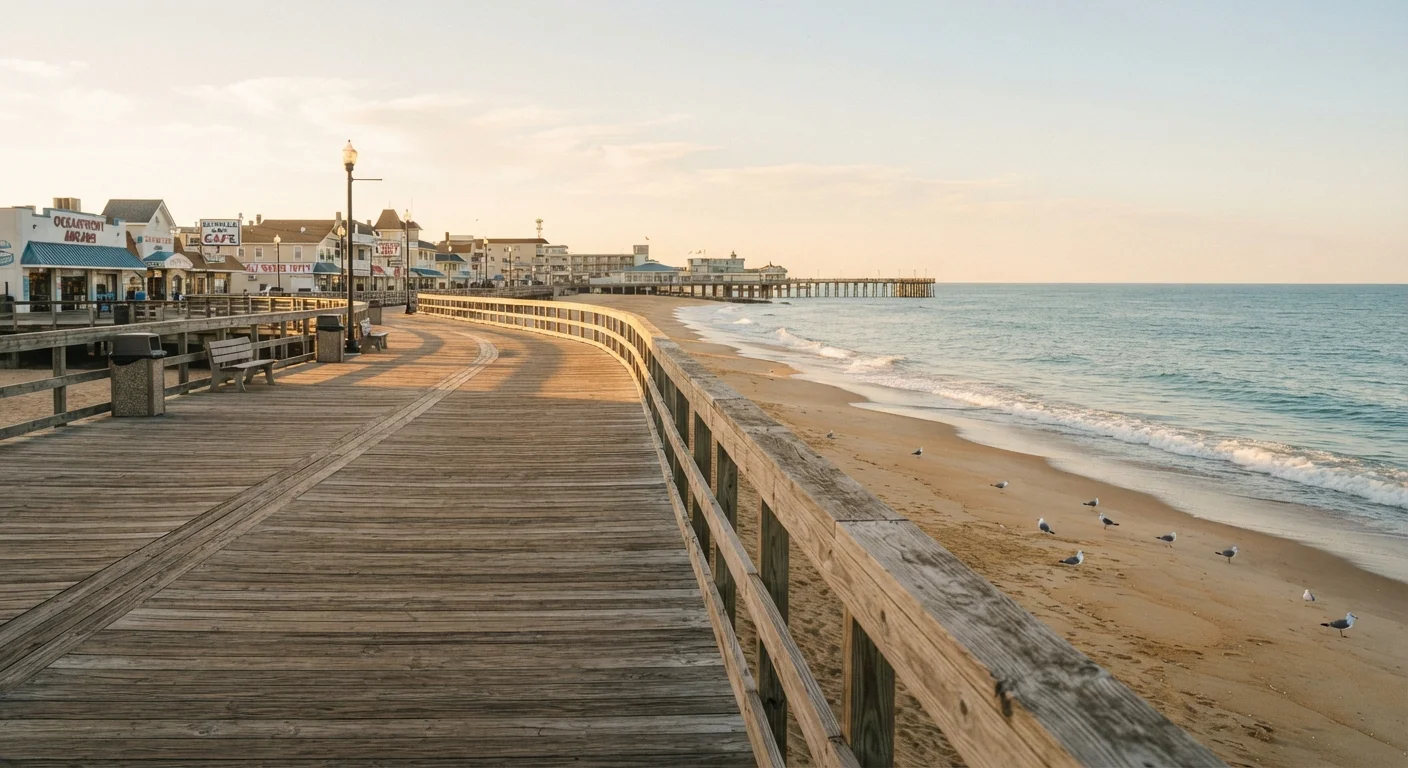
Photo credit: InfoHorizon.net | Access To Informative Content
In this article
Off-season isn't one-size-fits-all. Learn what shoulder and low seasons really look like at different types of American destinations.
Key Takeaways
- Off-season timing is destination-specific — there's no universal calendar that applies everywhere.
- Beach destinations and ski resorts essentially swap their peak and off-seasons.
- National parks have highly variable off-seasons depending on their climate and region.
- Cities often have milder off-seasons tied to convention calendars and weather, not just school breaks.
- Off-season travel can mean trade-offs: reduced services or closures alongside fewer crowds.
Why 'Off-Season' Isn't One Universal Thing
Ask ten travelers when a destination's off-season is, and you'll get ten different answers — because they're all right about different places. The phrase gets used as shorthand for "when fewer tourists go," but the underlying logic shifts depending on what draws visitors to a place in the first place.
A ski resort in Vermont and a beach town in Florida technically share the same calendar year — but their peak seasons are almost exact opposites. Understanding this distinction is the first step to planning a trip that actually aligns with your goals. For a broader look at how timing shapes your experience and budget, peak season vs. off-season travel covers the core trade-offs in detail.
Shoulder Season Is Often the Sweet Spot
If you want fewer crowds without the full trade-offs of low season, shoulder season — the weeks just before or after peak — is worth considering. Services are largely still running, weather is often still favorable, and visitor volume is noticeably lower. See our shoulder season vs. peak season guide for specifics on timing.
Beach Destinations: Summer Is King, Winter Is Off-Season
For most coastal US destinations — think the Jersey Shore, Gulf Coast towns, or the Outer Banks — peak season is school summer vacation, roughly Memorial Day through Labor Day. Off-season kicks in from late fall through early spring, when water temperatures drop and most seasonal businesses close or cut hours sharply.
That said, Florida's Gulf Coast and Hawaii operate differently. Mild winters actually pull snowbirds south, creating a second busy window from roughly December through April. For these destinations, the true off-season is late summer into early fall — which also overlaps with hurricane season. Mountain towns vs. beach towns explores what each destination type offers across the year.
~330M
Annual US national park visits
According to the National Park Service, national parks collectively host hundreds of millions of visits per year, with visitation heavily concentrated in summer months at most parks.
2–3x
Typical hotel demand swing, peak vs. off-season
Hospitality industry analyses consistently show accommodation demand at leisure-focused US destinations can be two to three times higher during peak season than during the low season.
Ski Towns and Mountain Destinations: Summer Is the Hidden Off-Season
Ski resorts like those in Colorado, Utah, and Vermont peak in winter — December through March — and again during fall foliage season. Their true off-season is late spring through early summer, after the snowpack melts but before summer hiking and biking traffic picks up. Many lift-served amenities close entirely during this window, sometimes called the "mud season."
For mountain towns that attract both winter and summer visitors, there can actually be two shoulder seasons rather than one long off-season. America's national parks by region is a useful companion for understanding how elevation and climate shape park visitation patterns throughout the year.
Check Trail and Facility Status Before You Go
Mountain and park destinations often have variable opening dates for facilities, roads, and trails depending on snowpack and weather. Before visiting in shoulder or off-season, check the destination's official website or the National Park Service site for current conditions and closures.
Cities: Convention Calendars and Weather Windows
Urban destinations don't follow the same seasonal logic as nature-based ones. Major cities like Chicago, New Orleans, or Washington D.C. have visitor peaks tied to weather, major events, and conventions rather than school break schedules alone. New Orleans peaks around Mardi Gras and Jazz Fest; Washington D.C. surges during cherry blossom season and summer family travel.
A city's off-season can be as short as a few weeks or as long as several months. January and February are typically the quietest months for Northern cities — but they're not empty, and most cultural attractions stay fully operational year-round. If the urban-versus-nature decision is still open for your next trip, city break or wide-open spaces offers a practical comparison. Southern cities like those covered in the American South travel guide have their own distinct seasonal rhythms worth understanding before you go.
What Off-Season Actually Means for Your Trip
Traveling off-season doesn't mean showing up to a ghost town. It means recalibrating expectations around three things: crowd levels, service availability, and conditions. Crowds genuinely thin out, which can make iconic spots feel more personal. But some restaurants close, park facilities reduce hours, and weather conditions may require more preparation.
The upside is real for flexible travelers. Lesser-known US destinations often shine brightest in their off-season, when the places that already avoid overcrowding become even more serene. And for budget-conscious planners, travel on a budget strategies can help you make the most of lower-demand windows. Always verify opening hours and entry conditions with official sources before you travel — especially for national parks and coastal areas where seasonal closures vary by year.
This article provides general travel information for educational purposes. Prices, availability, and conditions change — always verify current details with official destination and park sources before making travel decisions.
Frequently Asked Questions

Author
Travel Editorial Team
Travel Editorial Team is the collective byline for our editorial team and contributor network. Articles published under this byline or an editorial pen name are researched, written, and reviewed according to our editorial standards for clarity, consistency, and independence before publication.
View all articles →