
Building a Weekly Meal Prep Routine That Holds Up
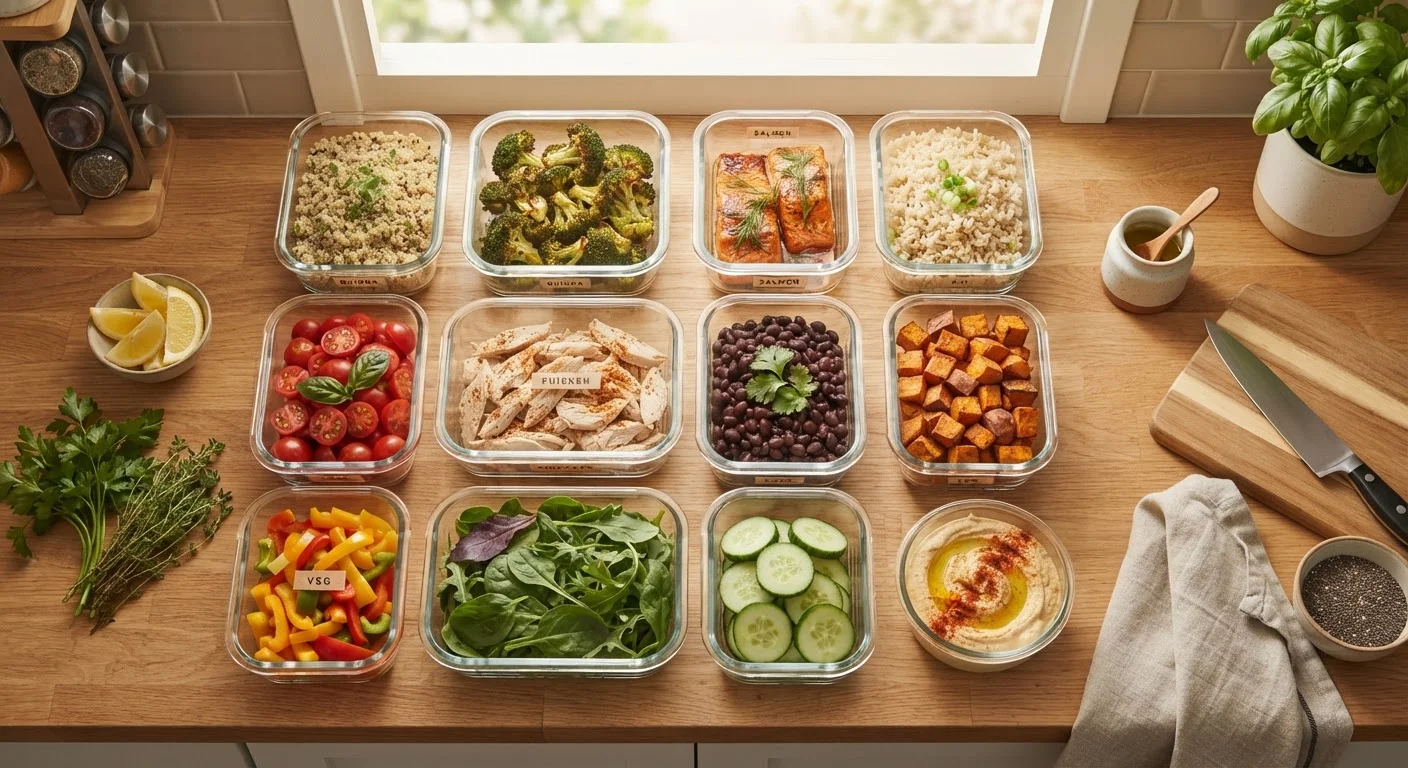
Photo credit: InfoHorizon.net | Access To Informative Content
In this article
A practical framework for planning, prepping, and storing meals across the week — without spending your entire Sunday in the kitchen.
Key Takeaways
- Batch-prepping components — not full meals — gives you maximum flexibility throughout the week.
- Limiting your prep session to 90 minutes keeps the habit sustainable long-term.
- Proper container choices and storage order directly affect how long prepped food stays fresh.
- A consistent shopping list is the foundation of any successful prep routine.
Why Component Prep Beats Cooking Full Meals in Advance
Most meal prep frustration comes from one mistake: cooking five identical lunches on Sunday and eating the same thing on repeat until Thursday. Prepping components — cooked grains, roasted vegetables, a protein or two, a versatile sauce — gives you the raw material to build different meals each day without extra cooking time.
Think of it as stocking a personal deli counter. A batch of cooked farro can become a grain bowl on Monday, a side dish on Tuesday, and the base of a soup on Wednesday. This approach also reduces food waste because ingredients cross over between meals naturally. For a structured approach to planning what those components should be each week, the weekly meal planning checklist is a useful starting point.
Setting Up Your Prep Session for Success
Before you touch a knife, spend five minutes mapping out what you'll actually prep. Check your schedule for the week — how many dinners will you cook from scratch? How many lunches do you need covered? This audit tells you exactly how much prep is worth doing, so you don't over-invest time you won't get back.
A reliable grocery run is just as important as the cooking itself. Use a nutrition-focused shopping checklist to make sure your cart supports the week ahead without gaps. Once you're home, arrange everything on the counter before preheating the oven — visual inventory prevents that mid-prep discovery that you're out of olive oil.
Storage Practices That Keep Prepped Food Tasting Fresh
Even well-prepared food fails if it's stored poorly. Airtight glass containers preserve flavor better than loosely sealed plastic, and they make it easy to see what you have. Store proteins and cooked grains within two hours of cooking to stay within safe temperature guidelines.
Layer strategically: place items that hold up well (roasted root vegetables, hard-boiled eggs, cooked legumes) near the front where you'll reach first, and keep delicate greens dry and separate until you're ready to assemble. Dress salads only at serving time, not during prep — moisture breaks down greens quickly. Sauces and dressings stored in small jars extend the usability of plain components dramatically.
Safe Storage Windows for Common Prep Items
Cooked grains and roasted vegetables generally keep well in the refrigerator for three to five days. Cooked proteins (chicken, fish, ground meat) are best used within three to four days. These are general guidelines — always check for signs of spoilage before eating, and when in doubt, discard. The USDA FoodKeeper tool is a reliable reference for specific food storage times.
If keeping up with prep feels like a recurring struggle, it's worth reading about why meal prepping commonly falls apart — the fixes are usually simpler than people expect.
Keeping the Habit Going Week After Week
The prep session itself should feel manageable, not like a second job. Keep it under 90 minutes by focusing on high-yield tasks: roasting a sheet pan of vegetables, cooking a pot of grains, and preparing one protein covers the bulk of your week. Anything beyond that is a bonus, not a requirement.
Rotate your ingredient choices week to week so nothing feels stale — swap quinoa for brown rice, try a different roasted vegetable, change the seasoning profile on your chicken. This small variation keeps meals interesting without adding complexity. Pairing a meal prep habit with a broader approach to busy-week eating — like the strategies in eating well on a busy schedule — reinforces both habits and reduces decision fatigue across the week.

Author
Food Editorial Team
Food Editorial Team is the collective byline for our editorial team and contributor network. Articles published under this byline or an editorial pen name are researched, written, and reviewed according to our editorial standards for clarity, consistency, and independence before publication.
View all articles →