
America's National Parks: What Each Region Actually Offers Travelers
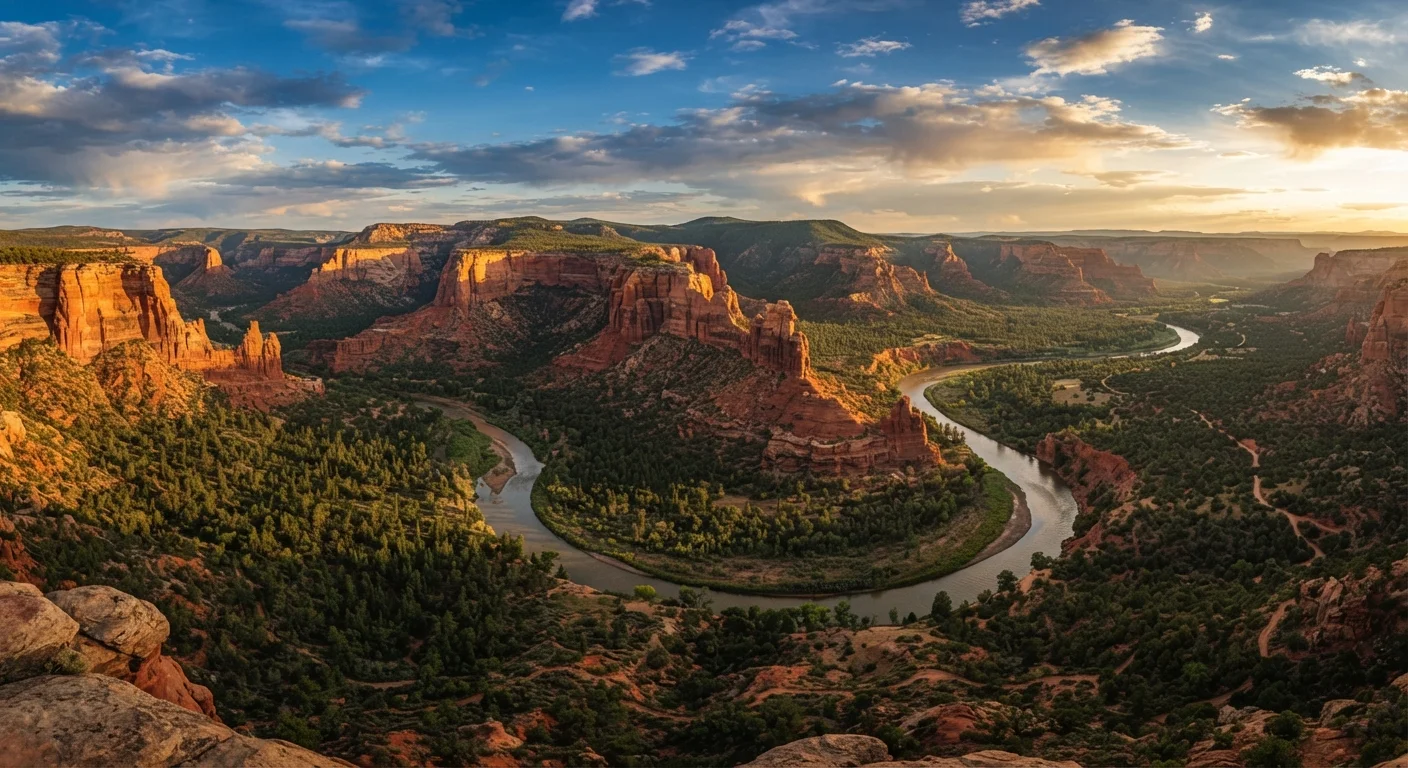
Photo credit: InfoHorizon.net | Access To Informative Content
In this article
From the Rockies to the Everglades, learn what distinct landscapes, activities, and experiences each US national park region delivers.
Why Region Matters When Choosing a National Park
With more than 60 designated national parks spread across the United States, the sheer variety can feel overwhelming. But geography does a lot of the filtering for you. Each region of the country delivers a distinct set of landscapes, climates, and activities — meaning the park you choose should match the kind of experience you're actually after, not just the most recognizable name on the map.
Whether you're chasing snowcapped peaks, ancient desert arches, or subtropical wildlife, this regional breakdown cuts through the noise. And if the logistics of actually booking your visit feel daunting, the planning realities of national park visits are worth reading before you commit.
| Total US National Parks | 63 designated national parks (National Park Service, 2024) |
| Most Visited Park | Great Smoky Mountains (12+ million visits/year) (National Park Service visitation data) |
| Largest Park | Wrangell-St. Elias, Alaska (13.2 million acres) (National Park Service) |
| Entrance Fee Range | $0–$35 per vehicle (varies by park) (NPS fee schedules; verify current rates before visiting) |
| Annual Pass Option | America the Beautiful Pass covers entrance fees at most federal lands (US Geological Survey / NPS) |
| Regions Covered by NPS | 7 administrative regions across the continental US, Alaska, and territories (National Park Service) |
The Rocky Mountain and Southwest: Drama at Every Turn
This is the region most people picture when they think of national parks — and for good reason. The Rockies and the Colorado Plateau deliver vertical relief, vivid color, and geological spectacle on a massive scale. Rocky Mountain National Park in Colorado offers alpine tundra, elk herds, and Trail Ridge Road, one of the highest paved roads in the country. Mesa Verde preserves ancestral Puebloan cliff dwellings. Grand Canyon, Zion, Bryce Canyon, and Arches cluster in Utah and Arizona, each with its own distinct landform: canyon depth, sandstone slot canyons, hoodoo formations, and arched red rock spans.
Best for: Hiking, photography, geology exploration, stargazing (many parks here are certified dark-sky destinations).
Seasonal note: Summer crowds at Zion and the Grand Canyon South Rim are intense. Spring and fall offer more manageable conditions at most desert parks. High-elevation parks may have limited access through late spring.
325M+
Annual national park recreation visits
According to National Park Service annual visitation reports, total recreation visits across all NPS units consistently exceed 300 million.
63
Designated national parks in the US
The NPS oversees 63 national parks as of 2024, plus hundreds of monuments, historic sites, and recreation areas.
Top 5
Most visited parks are all in the East or Southwest
Great Smoky Mountains, Grand Canyon, Zion, Rocky Mountain, and Acadia consistently rank among the most visited, reflecting the draw of accessible, iconic landscapes.
The Pacific Coast and Northwest: Green, Wild, and Volcanic
California, Oregon, and Washington host some of the most ecologically diverse parks in the system. Redwood National and State Parks protect the tallest trees on Earth. Olympic National Park in Washington spans rainforest, alpine meadow, and wild Pacific coastline within a single park boundary. Crater Lake in Oregon, formed by a collapsed volcano, holds the deepest lake in the US. Yosemite and Sequoia in California draw millions with their glacier-carved valleys and giant sequoia groves.
If you're weighing the Pacific Northwest against another rugged coastal region, this comparison of the Pacific Northwest and coastal New England lays out how the two differ for travelers.
Best for: Old-growth forest walks, tide-pooling, backpacking, waterfall chasing, and volcano landscapes.
The East and South: History, Wetlands, and Appalachian Ridges
Eastern parks tend to be more accessible by car for most Americans and combine natural scenery with cultural depth. Great Smoky Mountains National Park straddles the Tennessee–North Carolina border and remains the most visited park in the system, drawing hikers, wildlife watchers, and fall foliage seekers. Shenandoah in Virginia offers Skyline Drive with layered mountain views. In the deep South, Everglades National Park in Florida is unlike any other — a slow-moving river of grass sheltering alligators, manatees, and hundreds of bird species.
The South's national parks exist within a broader regional story that's easy to underestimate. Traveling the American South covers the layered landscapes and cultures that make the region more than just one type of destination.
Best for: Family road trips, accessible trails, birding, cultural heritage sites, and year-round mild-weather exploration (especially Florida).
Timed Entry Permit
A reservation system used by high-demand parks (like Zion and Yosemite) that limits the number of visitors entering during specific time windows. These are often required in addition to paying an entrance fee.
Dark Sky Park
A designation given by the International Dark-Sky Association to parks with minimal light pollution, making them exceptional locations for stargazing and astronomy.
Alpine Tundra
A high-altitude ecosystem above the tree line where low temperatures and thin air limit vegetation to grasses, mosses, and low shrubs. Found in Rocky Mountain and several other high-elevation parks.
NPS Unit
Any site managed by the National Park Service, including national parks, monuments, seashores, recreation areas, and historic sites — a broader category than 'national park' alone.

Author
Travel Editorial Team
Travel Editorial Team is the collective byline for our editorial team and contributor network. Articles published under this byline or an editorial pen name are researched, written, and reviewed according to our editorial standards for clarity, consistency, and independence before publication.
View all articles →