
Deck Maintenance Through the Seasons
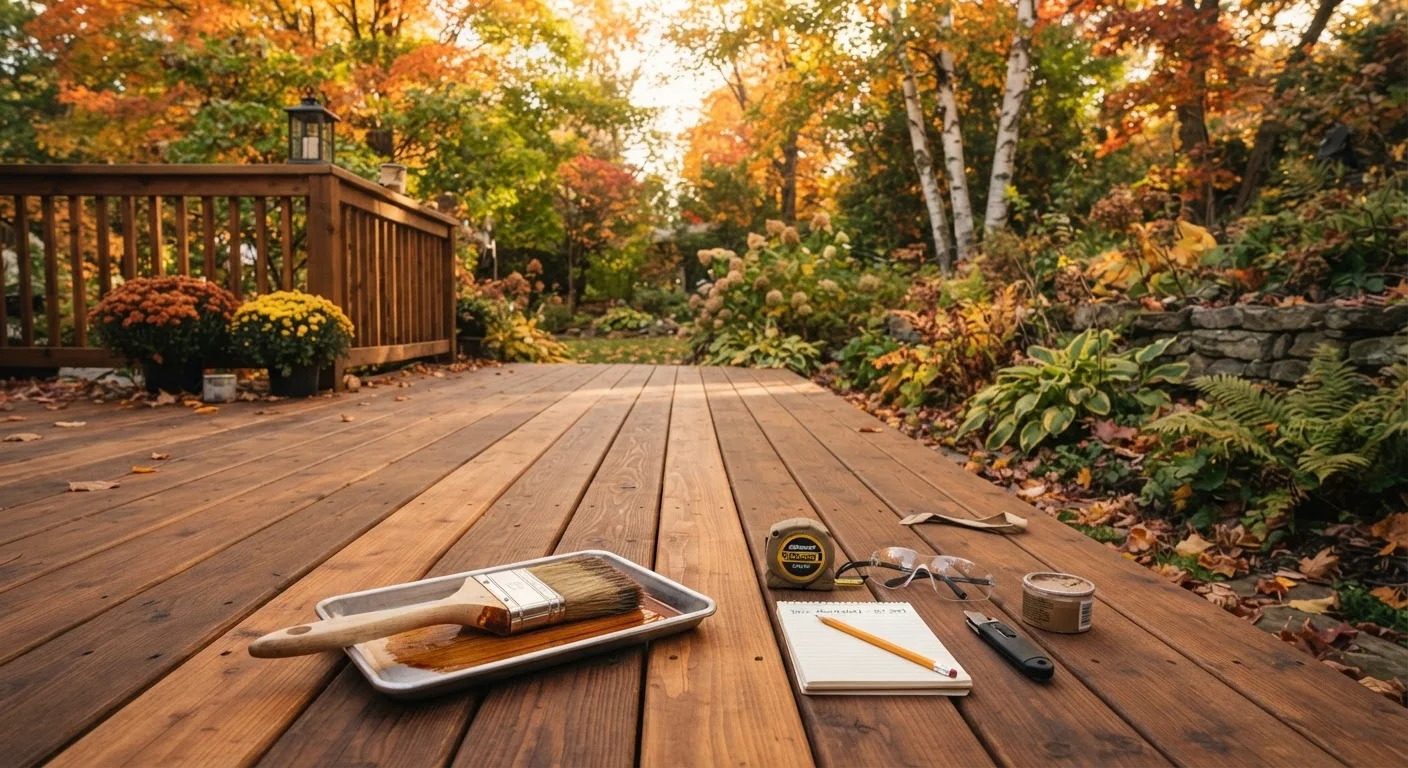
Photo credit: InfoHorizon.net | Access To Informative Content
In this article
Outdoor decks take a beating year-round. A season-by-season breakdown of cleaning, sealing, inspecting, and winterizing to extend deck life.
Key Takeaways
- Each season brings specific deck maintenance tasks that prevent costly damage down the road.
- Spring inspection and cleaning set the foundation for a safe, enjoyable deck all summer.
- Sealing or staining in fall protects wood from moisture intrusion during winter freeze-thaw cycles.
- Catching rot, loose fasteners, and structural issues early avoids expensive repairs later.
- Simple, consistent upkeep extends deck life significantly compared to sporadic deep restoration.
Why Seasonal Deck Care Pays Off
Your deck endures more weather stress than almost any other part of your home — blazing summer sun, soaking autumn rains, repeated freeze-thaw cycles, and spring moisture all take a toll. Without regular attention, wood fibers swell and contract, fasteners loosen, finishes crack, and rot quietly takes hold beneath the surface.
The good news: breaking maintenance into four manageable seasonal tasks makes the work far less daunting than a single annual overhaul. Just as fall yard prep protects your landscape investment, timely deck care protects a significant home asset. For broader outdoor space guidance, explore the Garden & Outdoors hub.
Season-by-Season Maintenance Breakdown
Spring: Inspect, Clean, and Repair
After winter, walk every inch of your deck before bringing out furniture. Press a screwdriver tip into the wood — soft or spongy spots indicate rot that needs immediate attention. Look for raised nails, popped screws, split boards, and any posts or joists showing discoloration. Tighten loose fasteners and replace damaged boards before the heavy-use season begins.
Clean the entire surface using a deck cleaner appropriate for your material (wood, composite, or PVC). A stiff-bristle brush works for most surfaces; a pressure washer set to a low PSI can help on wood but should be used carefully to avoid raising the grain. Rinse thoroughly and allow the deck to dry completely — at least 48 hours — before applying any finish.
Summer: Protect and Monitor
Summer is peak use season, which means more foot traffic, spills, and UV exposure. If your spring inspection revealed bare or faded wood, apply a water-repellent sealant or stain after the deck has dried fully from cleaning. Check the manufacturer's guidance for drying windows and recoat intervals.
Periodically clear debris from between boards — trapped leaves and dirt retain moisture and accelerate decay. After cookouts or gatherings, rinse off grease and food residue promptly. Inspect railings monthly by applying firm lateral pressure; any wobble signals a fastener or post-anchor issue to address right away.
Fall: Seal, Clear, and Winterize
Fall is the most critical window for protective coating. Apply a quality water-repellent finish before temperatures drop consistently below 50°F, as most sealants and stains require warm, dry conditions to cure properly. This finish is your primary defense against winter moisture.
Remove all furniture, planters, and rugs — trapped moisture beneath objects causes staining and rot. Clear gutters and downspouts above or near the deck so runoff doesn't pool on the surface. This is also the time to tackle seasonal decluttering and store deck accessories in a dry location.
Winter: Monitor and Minimize Damage
During winter, avoid using metal shovels directly on wood or composite decking — a plastic snow shovel or roof rake prevents scratches and gouges. Do not use rock salt or chemical ice melters on wood; these accelerate deterioration. Sand or kitty litter provide safer traction. After significant snowfall, redistribute heavy snow loads to prevent structural stress, particularly on older decks.
Quick Wins to Start This Weekend
You don't need to wait for a full seasonal shift to make meaningful progress on deck health. These immediate actions deliver real results with minimal time investment.
When to Call a Professional
Most routine deck maintenance is DIY-friendly, but some situations require a licensed contractor or structural inspector. If you discover rot in structural posts, joists, or ledger boards (the board connecting the deck to your home), stop and consult a professional before using the deck. Ledger board failures are among the most common causes of deck collapses.
Similarly, any work involving electrical components (outdoor lighting, outlet circuits), major structural repairs, or permit-required modifications — such as raising deck height or expanding square footage — should involve a qualified professional. Always verify local permit and code requirements with your municipality before beginning significant work.
Composite and PVC Decks Have Different Needs
The seasonal inspection and clearing advice in this article applies broadly, but composite and PVC decking materials do not require staining or sealing the way natural wood does. Always follow the manufacturer's specific maintenance guidelines for your decking material. Some composite products have their own approved cleaners and void warranties if treated with wood-specific products.
This article provides general home maintenance guidance. Always verify local building codes and consult a licensed contractor for structural, electrical, or permitted work on your property.

Author
Home & Garden Editorial Team
Home & Garden Editorial Team is the collective byline for our editorial team and contributor network. Articles published under this byline or an editorial pen name are researched, written, and reviewed according to our editorial standards for clarity, consistency, and independence before publication.
View all articles →