
Annual Car Maintenance Audit: A Practical Checklist
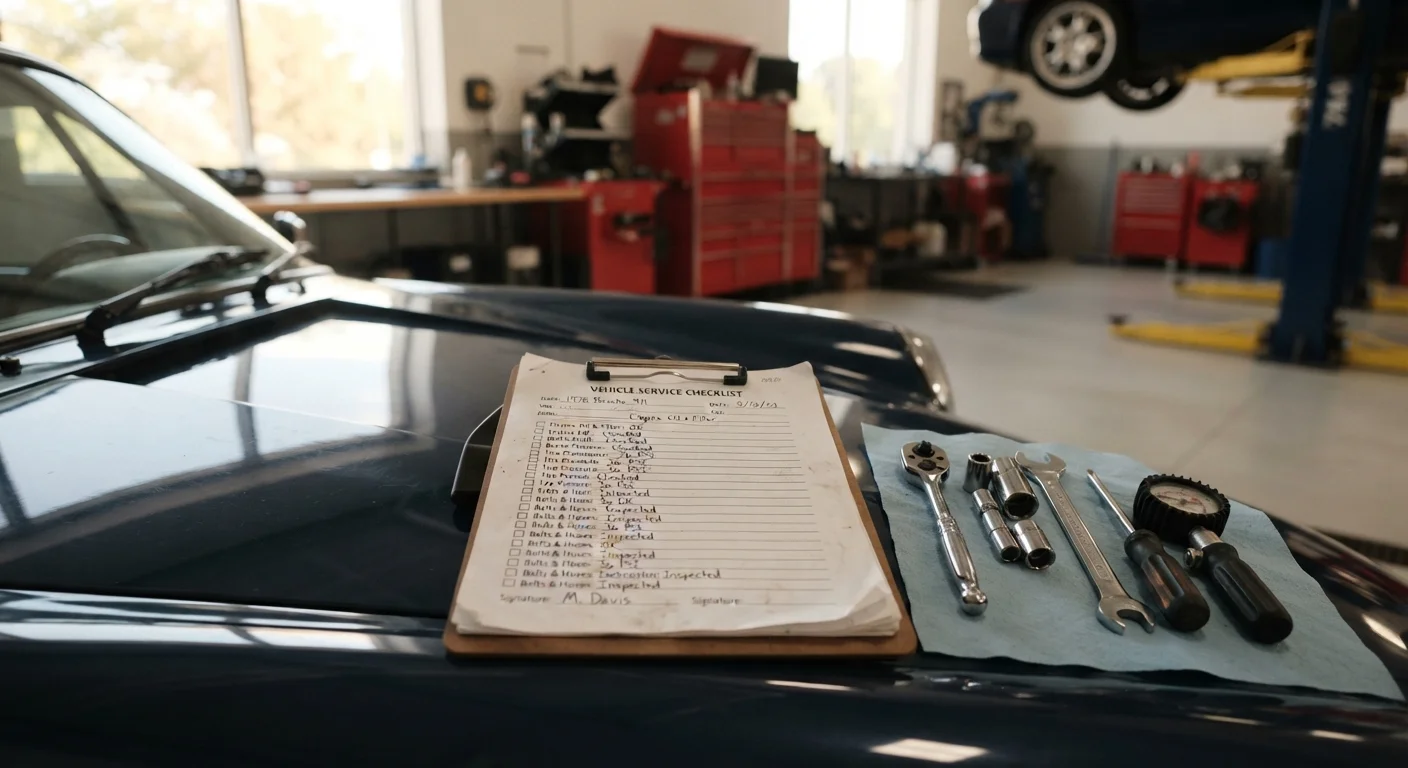
Photo credit: InfoHorizon.net | Access To Informative Content
Run through this structured checklist once a year to catch worn parts, low fluids, and safety items before they become bigger problems.
Key Takeaways
- An annual audit catches worn parts and low fluids before they cause breakdowns or expensive repairs.
- Most checks require only basic tools and can be done in a driveway or garage.
- Your owner's manual is the definitive guide to mileage-based service intervals for your specific vehicle.
- Some items - like brake inspections and battery load tests - benefit from a qualified mechanic's assessment.
- Combining your annual audit with seasonal checks gives your vehicle year-round coverage.
Why an Annual Audit Is Worth Scheduling
Most drivers handle maintenance reactively - changing the oil when the dash light appears or replacing a tire after a flat. An annual audit flips that pattern. By systematically working through your vehicle's key systems once a year, you identify items that are approaching the end of their service life before they fail at the worst possible moment.
This checklist is organized by system so you can move through the car logically rather than jumping around. It complements - not replaces - the mileage-based service schedule in your owner's manual. Think of the audit as the broader picture; your manual covers the specific intervals.
Before you begin, gather a flashlight, a tire pressure gauge, and a clean rag. Keep your owner's manual within reach. For items flagged during the audit that require professional attention, see questions worth asking your mechanic before you book the appointment.
Tire Pressure Gauge
Accurately measures tire inflation in all four tires and the spare to compare against the door jamb specification.
Flashlight or Work Light
Illuminates engine compartment, undercarriage, and tight spaces where fluid leaks or belt wear may be hiding.
Tread Depth Gauge
Provides a precise measurement of remaining tire tread so you know exactly when replacement is needed.
Owner's Manual
Provides the vehicle-specific service intervals, fluid specifications, and belt replacement windows for your exact make and model.
Clean Rags or Shop Towels
Used to wipe dipsticks cleanly before re-inserting for accurate fluid level and condition readings.
Battery Load Tester (or shop visit)
Determines whether an aging battery still holds adequate charge under real-world starting conditions.
The Annual Maintenance Checklist
Work through each group in order. Mark items as pass, needs attention, or due for service. Anything flagged should be addressed within a reasonable timeframe - not set aside indefinitely.
Fluids
Tires and Wheels
Battery and Electrical
Brakes and Suspension
Filters and Belts
Safety and Emergency Gear
Brake Inspections Require a Professional Eye
While you can listen and feel for brake warning signs, pad thickness and rotor condition are difficult to assess accurately without removing the wheels. If you notice grinding, vibration, or a longer stopping distance, have a qualified mechanic inspect the braking system before driving further. Do not delay brake-related concerns.
If your vehicle has passed the 100,000-mile mark, certain items on this list - particularly belts, hoses, and spark plugs - require closer scrutiny. Consult high-mileage maintenance guidance for what changes at that threshold.
Don't overlook the systems that rarely surface in routine reminders. Cabin air filters, differential fluid, and fuel injectors are among the most commonly skipped maintenance items - and the costs of neglecting them accumulate quietly.
Never Check Fluids on a Hot Engine
Opening the coolant reservoir cap on a hot engine can cause pressurized fluid to spray and cause burns. Allow the engine to cool for at least 30 minutes before inspecting coolant levels. Check your owner's manual for safe inspection procedures specific to your vehicle.
Once your audit is complete, pair these findings with seasonal preparation tasks to ensure your vehicle is ready for whatever climate comes next.

Author
Cars Editorial Team
Cars Editorial Team is the collective byline for our editorial team and contributor network. Articles published under this byline or an editorial pen name are researched, written, and reviewed according to our editorial standards for clarity, consistency, and independence before publication.
View all articles →