
Raised Beds vs. In-Ground Gardens: Which Setup Actually Works Better?
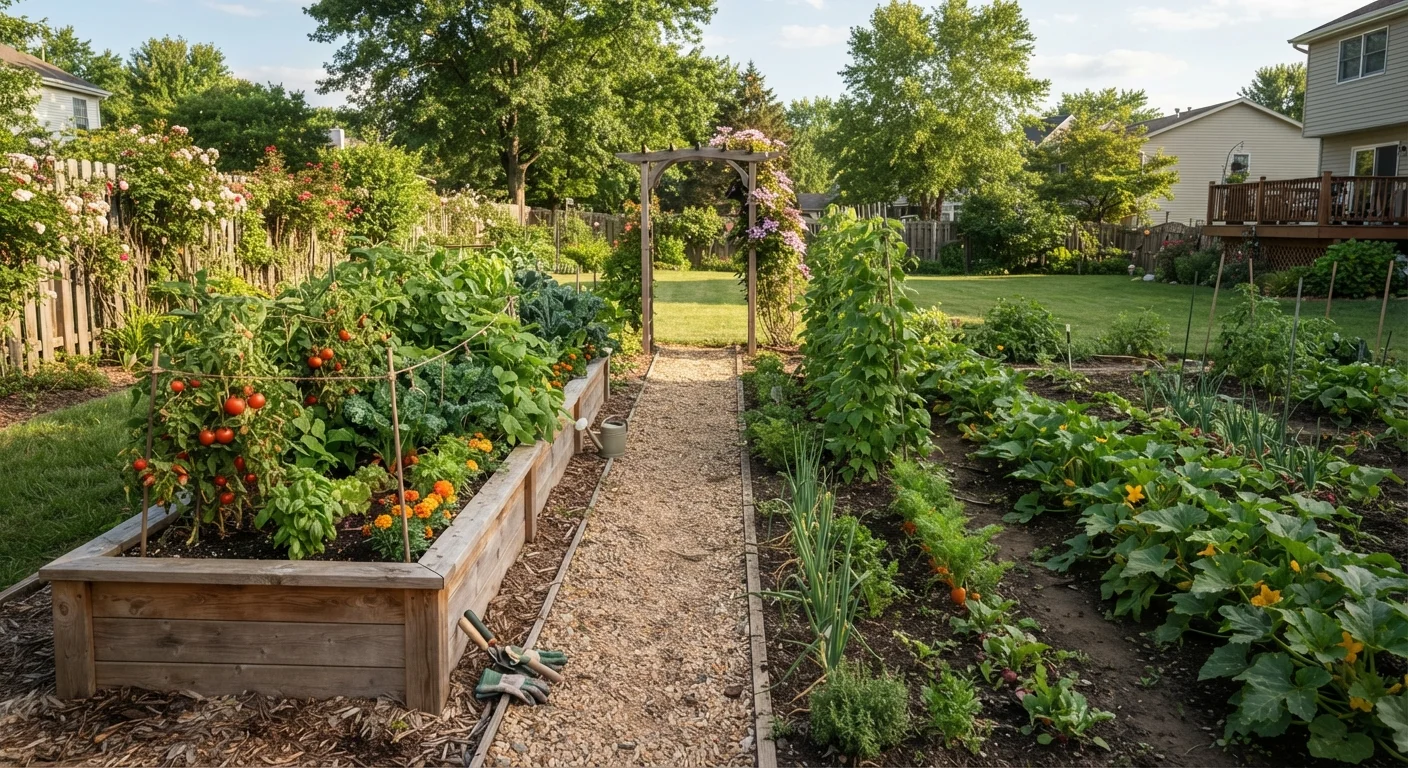
Photo credit: InfoHorizon.net | Access To Informative Content
In this article
Compare raised bed and in-ground gardening across cost, soil control, drainage, and maintenance to find the right fit for your yard.
Key Takeaways
- Raised beds offer superior soil control and drainage but require more upfront investment in materials and fill.
- In-ground gardens cost less to start but may need significant soil amendment depending on your yard's native conditions.
- Raised beds warm up faster in spring, extending the growing season in cooler climates.
- In-ground plots are better suited for large-scale planting and deep-rooted crops like pumpkins or corn.
- Weed pressure and pest management differ meaningfully between the two approaches.
- Your soil quality, physical ability, and available space should drive the decision more than trends.
The Core Difference: Soil on Your Terms vs. Soil You're Given
The most fundamental distinction between raised beds and in-ground gardens isn't aesthetics — it's control. With a raised bed, you define what goes into the soil from day one. With an in-ground garden, you work with what's already there, improving it over time.
That distinction ripples through every other factor: drainage, nutrient availability, root health, and how quickly you can establish a productive plot. If you're starting a garden on a property with unknown or poor soil, a raised bed removes a significant variable. If you've tended a yard for years and built rich, loamy ground, in-ground planting lets you leverage that work directly.
For gardeners planning a new vegetable space, our guide to starting a vegetable garden in a small backyard walks through layout and planning decisions that apply to both setups.
| Criterion | Raised Beds | In-Ground Gardens |
|---|---|---|
| Upfront cost | Higher (materials + fill soil) | Lower (amendments only) |
| Soil control | Complete from day one | Depends on native soil quality |
| Drainage | Excellent by design | Variable; may need improvement |
| Weed pressure | Significantly lower at start | Higher; ongoing management needed |
| Season length | Longer (soil warms faster) | Standard for your climate |
| Scalability | Costly to expand | Easy and affordable to expand |
| Deep-rooted crops | Limited by bed depth | No restrictions |
| Accessibility | High when built at proper height | Requires bending and kneeling |
Cost, Setup, and Long-Term Investment
Raised beds carry real upfront costs. Lumber or composite boards, corner hardware, landscape fabric, and enough quality fill soil to reach adequate depth (typically 10–12 inches minimum for most vegetables) add up quickly. A single 4×8-foot cedar bed can cost anywhere from modest to substantial depending on materials — and most productive gardens require several beds.
In-ground gardens cost far less to start. You'll likely invest in a soil test, compost or amendments, and basic tools — but no framing materials or bulk soil delivery. The tradeoff is time: improving compacted or nutrient-poor ground takes multiple growing seasons of consistent amendment.
10–12 in.
Minimum soil depth for most vegetable crops
University extension guidelines consistently recommend at least 10–12 inches of growing medium depth for roots to develop fully in raised beds.
2–4°F
Warmer soil temperature in raised beds vs. ground
Raised bed soil typically runs 2–4°F warmer than in-ground soil in spring, according to general horticultural observation, supporting earlier planting dates.
60–70%
Reduction in weed germination with clean fill soil
Starting with weed-free growing mix in a raised bed can substantially reduce early-season weed pressure compared to disturbed native soil.
Over a five-year horizon, the costs often converge. Raised beds require topping off with compost each season; in-ground beds require ongoing amendment inputs. Neither approach is permanently inexpensive, but in-ground gardening scales more affordably when planting large areas.
Drainage, Weeds, and Pest Pressure
Drainage is one area where raised beds hold a clear edge. Because the growing medium sits above grade and is never compacted by foot traffic, water moves through freely. This matters enormously for root crops and moisture-sensitive plants. Poorly drained in-ground soil can waterlog roots — a leading cause of plant decline that's easy to overlook. See our article on overwatering and how to recognize it for what to watch for.
Weed management differs sharply between the two approaches. Raised beds filled with weed-free growing mix start with far fewer weed seeds, and their defined edges make perimeter control easier. In-ground gardens draw from a full soil seed bank and are more susceptible to grass and weed encroachment from surrounding lawn areas. A layer of mulch helps in both cases — see our complete guide to using mulch in your garden for how to apply it effectively. For ongoing weed pressure, natural weed control strategies can help in either setup.
Pest dynamics also vary. Raised beds can be fitted with row covers or hardware cloth barriers more easily, which helps against burrowing pests like voles. In-ground gardens may give beneficial insects and earthworms more natural access to the soil ecosystem, which supports long-term soil health.
Watering, Plant Compatibility, and Practical Fit
Both garden types benefit from consistent watering, but their needs differ. Raised bed soil dries out faster than in-ground soil — especially in warm climates — so you may need to water more frequently. Drip irrigation is particularly well-suited to raised beds because it delivers moisture directly to the root zone without wetting foliage. Our comparison of drip irrigation and sprinkler systems can help you choose the right approach for your setup.
Most vegetables, herbs, and annual flowers thrive in both environments when properly managed. However, deep-rooted or sprawling crops — think pumpkins, sweet corn, or indeterminate tomatoes grown at scale — tend to be better suited to in-ground growing, where root systems can spread without hitting the walls of a frame.
Companion Planting Works in Both Settings
Whether you garden in raised beds or in-ground rows, companion planting strategies can apply equally well. Pairing beneficial plants together may help manage pests, improve pollination, or make efficient use of space. Our evidence-based look at companion planting separates well-supported practices from garden folklore.
Ultimately, many experienced gardeners use both systems simultaneously: raised beds for high-value crops like salad greens, herbs, and peppers, and in-ground rows for bulk producers like squash or sunflowers. You don't have to choose one approach for your entire yard.

Author
Home & Garden Editorial Team
Home & Garden Editorial Team is the collective byline for our editorial team and contributor network. Articles published under this byline or an editorial pen name are researched, written, and reviewed according to our editorial standards for clarity, consistency, and independence before publication.
View all articles →