
Starting a Vegetable Garden in a Small Backyard
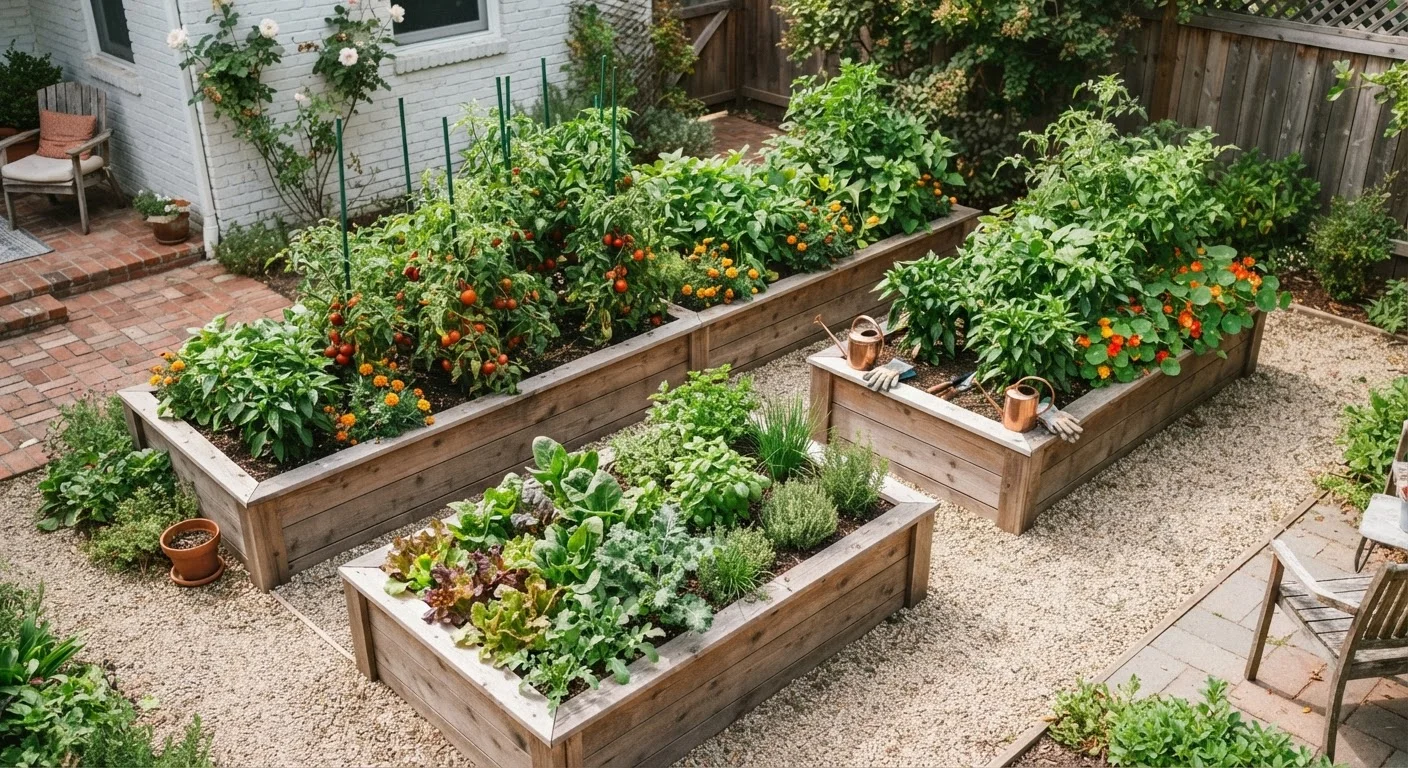
Photo credit: InfoHorizon.net | Access To Informative Content
In this article
Limited space doesn't mean limited harvests. Learn how to plan, plant, and maintain a productive vegetable garden in compact outdoor areas.
Key Takeaways
- Raised beds and containers maximize productivity in tight spaces with less soil preparation.
- Choosing compact, high-yield vegetable varieties is the single biggest factor in small-garden success.
- Vertical growing structures like trellises can triple the planting area without expanding your footprint.
- Six or more hours of direct sunlight daily is the non-negotiable requirement for most vegetables.
- Consistent watering and a thin layer of mulch dramatically reduce maintenance time and effort.
Why Small Backyards Are Surprisingly Well-Suited for Vegetable Growing
Many gardeners assume a productive vegetable patch requires a sprawling yard. In practice, a well-organized small space often outperforms a large neglected one. Compact gardens are easier to water thoroughly, simpler to weed, and quicker to harvest — you tend to pay closer attention when everything is within arm's reach.
The key shift is moving from thinking about area to thinking about yield per square foot. Raised beds and containers concentrate your soil investment, reduce compaction, and warm up earlier in spring than in-ground plots. Even a 4×8-foot raised bed can produce enough salad greens, herbs, and cherry tomatoes to make a meaningful difference in your weekly grocery basket.
Sunlight Is Non-Negotiable for Most Vegetables
No soil amendment, fertilizer, or watering technique can compensate for insufficient sunlight. If your backyard receives fewer than four hours of direct sun, focus exclusively on shade-tolerant crops (lettuce, spinach, kale, herbs) and set realistic expectations about yield. Attempting to grow sun-hungry crops like tomatoes or peppers in deep shade will result in disappointment regardless of effort.
Before you buy a single seed packet, spend time understanding your specific conditions — sunlight hours, drainage patterns, and wind exposure. That observation pays dividends through every subsequent decision in the garden.
Raised bed frame or large containers
Creates defined growing zones with improved drainage and warmer soil, ideal for compact spaces.
Quality potting or raised-bed soil mix
Provides the loose, nutrient-rich medium vegetables need to establish strong roots quickly.
Trowel and hand fork
Used for planting seedlings, loosening soil, and incorporating amendments.
Trellis or garden stakes
Supports climbing plants like beans and cucumbers, freeing ground space for other crops.
Soaker hose or drip irrigation kit
Delivers water directly to root zones, reducing waste and keeping foliage dry to prevent disease.
Organic mulch (straw or wood chips)
Suppresses weeds, retains soil moisture, and regulates soil temperature between waterings.
Step-by-Step: Building and Planting Your Small Vegetable Garden
Follow these steps in order for the most straightforward path from bare ground (or empty containers) to a productive, low-maintenance vegetable garden. Most first-time gardeners can complete the initial setup in a single weekend.
What you will need
Assess your sunlight and space
Spend a day observing your backyard at two-hour intervals and note where direct sunlight lands. Most vegetables — tomatoes, peppers, squash, beans — require a minimum of six full hours of sun daily. Leafy greens like lettuce and spinach can tolerate four to five hours, making shaded corners still useful. Map out your usable zones so you can match crops to conditions rather than fighting against them.
Choose your growing method
For small backyards, raised beds (typically 4×4 or 4×8 feet) or large containers offer the most control. They warm up faster in spring, drain well, and let you use optimal soil from the start. A single 4×4 raised bed is enough to grow a meaningful supply of salad greens, herbs, and a few tomato plants. If you have no ground space at all, containers on a patio or deck work well for many crops including herbs, cherry tomatoes, peppers, and bush beans.
Select compact, high-yield varieties
Variety selection matters more than garden size. Look for descriptions like bush, dwarf, patio, or compact on seed packets — these are bred to produce well in limited space. Cherry tomato varieties, bush cucumber types, and compact zucchini all deliver substantial harvests without sprawling. Prioritize crops your household actually eats regularly, and consider that growing your own can support a budget-friendly eating approach.
Plan your layout using vertical space
Think in three dimensions. A trellis along a fence or the back edge of a raised bed lets climbing beans, peas, and cucumbers grow upward instead of outward, effectively multiplying your planting area. Place tall trellised plants on the north side of your bed so they don't cast shade on shorter crops. Use the remaining ground space for low-growing plants like lettuce, radishes, and herbs. For further guidance on pairing plants intelligently, see what companion planting evidence actually supports when arranging your bed.
Prepare and fill your beds
Fill raised beds with a blend of quality topsoil, compost, and a perlite or coarse sand component for drainage — many pre-bagged raised-bed mixes already strike this balance. If you're amending an existing in-ground patch, loosen soil to about 10 inches and work in a generous layer of compost. Building your own compost over time is both cost-effective and excellent for soil health; our complete composting starter guide walks through the entire process from kitchen scraps to finished amendment.
Plant, mulch, and establish a watering routine
Transplant seedlings or sow seeds according to their spacing requirements — overcrowding is the most common small-garden mistake and leads to poor yields and disease. After planting, apply a 2–3 inch layer of organic mulch around plants (not touching stems) to lock in moisture and suppress weeds. Establish a consistent watering schedule: most vegetables prefer deep, infrequent watering rather than light daily sprinkles. For a deeper look at mulch types and application, visit our end-to-end mulch guide.
Succession Planting Extends Your Harvest
Instead of planting all your lettuce or radishes at once, sow small batches every two to three weeks. This staggers your harvest so you have fresh produce consistently rather than an overwhelming glut followed by nothing. It's one of the easiest ways to get more from a small space without adding a single square foot.
Once your garden is established and producing, consider how home-grown vegetables can complement a broader budget-conscious approach to nutritious eating — fresh herbs and greens in particular are among the most cost-effective crops to grow yourself.
Don't Skip Weed Control Early On
Weeds compete aggressively with young vegetable plants for water and nutrients. Staying on top of weeds in the first four to six weeks of the growing season is far easier than reclaiming an overgrown bed mid-summer. For non-chemical strategies that work over the long term, explore natural weed control approaches suited to home gardens.

Author
Home & Garden Editorial Team
Home & Garden Editorial Team is the collective byline for our editorial team and contributor network. Articles published under this byline or an editorial pen name are researched, written, and reviewed according to our editorial standards for clarity, consistency, and independence before publication.
View all articles →