
Natural Weed Control: Approaches That Actually Hold Up Over Time
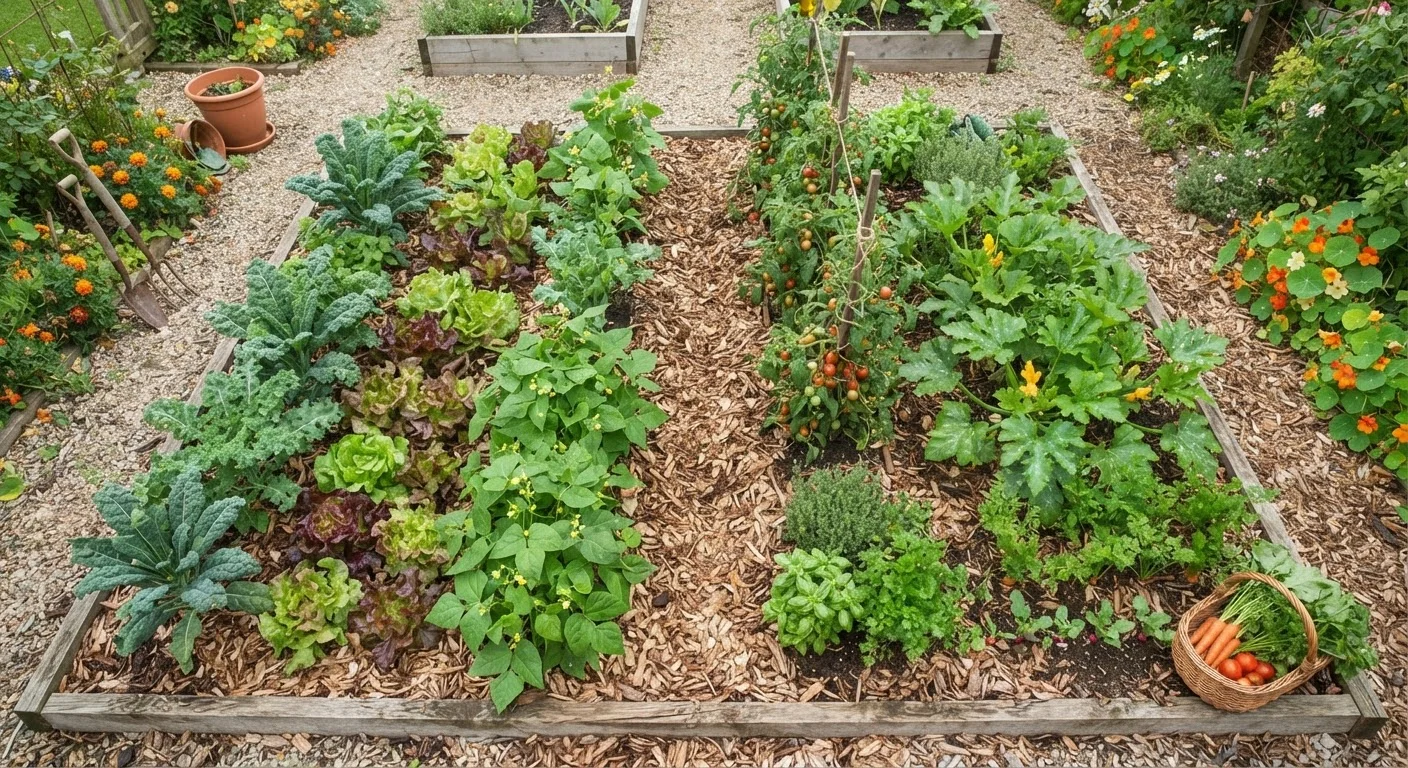
Photo credit: InfoHorizon.net | Access To Informative Content
In this article
From mulching and solarization to hand-pulling timing, explore non-chemical weed management strategies backed by practical gardening experience.
Key Takeaways
- Mulching 2–4 inches deep blocks light that weed seeds need to germinate.
- Hand-pulling weeds right after rain is significantly more effective than pulling from dry soil.
- Soil solarization uses trapped heat to kill weed seeds before planting season begins.
- Dense planting and ground covers reduce bare soil where weeds take hold.
- Consistency across seasons matters more than any single weed-control technique.
Why Non-Chemical Weed Control Is Worth the Effort
Weeds are competitive by nature — they germinate fast, grow aggressively, and are remarkably good at exploiting any gap in your garden. Synthetic herbicides can knock them back quickly, but they don't address the underlying conditions that invite weeds in the first place. Natural weed management does something different: it changes those conditions so weeds simply struggle to gain a foothold.
The tradeoff is patience. Natural methods rarely work overnight, but they compound over time. A garden managed well through mulching, timing, and dense planting typically requires less intervention each season, not more.
Natural Doesn't Always Mean Instant
Non-chemical weed control methods generally require more patience than synthetic herbicides. Most approaches work by creating unfavorable conditions for weeds over time rather than killing existing plants on contact. Setting realistic expectations helps gardeners stick with these methods long enough to see lasting results.
The Core Practices That Actually Work
These six approaches are grounded in practical gardening experience and supported by horticultural principles. Used together, they create a system rather than a one-off fix.
Apply 2–4 inches of organic mulch over all exposed soil.
Mulch blocks sunlight from reaching weed seeds, which prevents germination without any chemical intervention. As organic mulch breaks down, it also improves soil structure — a two-for-one benefit.
Pull weeds when the soil is moist, ideally 24–48 hours after rain or deep watering.
Wet soil releases roots far more completely than dry, compacted ground. Removing the entire root system prevents regrowth, which is the most common reason hand-pulling seems ineffective.
Use soil solarization on heavily weedy areas before planting.
Solarization traps heat under clear plastic sheeting, raising soil temperatures high enough to kill weed seeds and some soil-borne pathogens in the top few inches. It's especially useful for reclaiming neglected beds.
Plant densely and use ground covers to eliminate bare soil.
Bare soil is an open invitation for weeds. Dense planting shades the soil between crops, leaving little light or space for weeds to establish. Ground covers perform the same function in ornamental areas.
Weed early and often — target seedlings before they set seed.
A single weed plant can produce hundreds to thousands of seeds. Removing weeds while they are young and before flowering breaks the seed cycle that sustains future weed pressure.
Minimize soil disturbance during bed preparation.
Tilling and digging bring dormant weed seeds buried deep in the soil up to the surface where light triggers germination. Low-till or no-till approaches keep those seeds buried and dormant.
What the Evidence Says
Non-chemical weed control isn't wishful thinking — there's a solid body of horticultural research behind these techniques. Light deprivation through mulching and dense planting consistently ranks among the most effective long-term strategies.
97%
Weed seed germination requires light
Research from weed science literature consistently shows that the vast majority of common weed seeds require light exposure at or near the soil surface to germinate, underlining why mulch is so effective.
4–6 weeks
Typical solarization window for results
University cooperative extension guidelines generally recommend covering soil with clear plastic for at least 4 to 6 weeks during peak summer heat for meaningful weed seed reduction.
“The best weed control is a healthy, vigorous stand of desirable plants. Give your crops and ornamentals the conditions they need to thrive, and they'll do much of the competitive work for you.”
— Jeff Gillman, Horticulturist and author of science-based gardening books
If you're building out a new garden space, the weed management approach you choose should also factor in your bed setup. Our comparison of raised beds versus in-ground gardens covers how each affects soil control and maintenance demands.
Start Today: Quick Wins for Any Garden
You don't need to overhaul your entire garden to start making progress. These immediate actions deliver noticeable results within days to weeks and set you up for easier management through the rest of the season.
Replenish Mulch Every Season
Organic mulch breaks down over time — which is great for soil health but means weed-suppression coverage thins out. Check mulch depth each spring and fall, and top it up to maintain that 2–4 inch layer. This one habit alone keeps most gardens largely weed-free year-round.
For gardeners working with limited space, the same principles apply — and tight planting layouts actually make dense-planting strategies easier. See our guide on starting a vegetable garden in a small backyard for layout ideas that naturally discourage weeds.

Author
Home & Garden Editorial Team
Home & Garden Editorial Team is the collective byline for our editorial team and contributor network. Articles published under this byline or an editorial pen name are researched, written, and reviewed according to our editorial standards for clarity, consistency, and independence before publication.
View all articles →