
Perennial Flowers That Come Back Every Year With Little Fuss
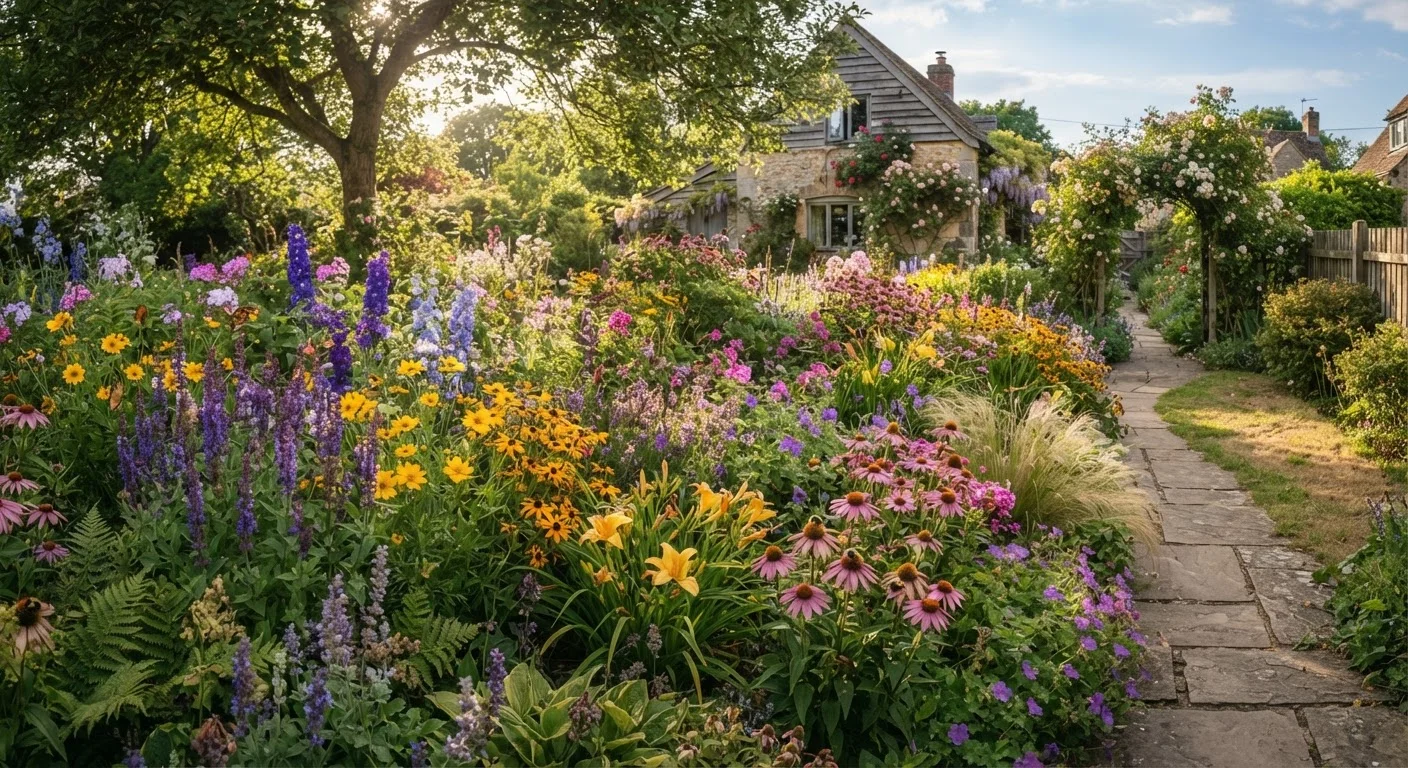
Photo credit: InfoHorizon.net | Access To Informative Content
In this article
A curated look at hardy perennials that thrive in American yards without constant replanting, grouped by sun exposure and climate zone.
Key Takeaways
- Perennials return each year from their roots, eliminating the need for annual replanting.
- Matching plants to your USDA hardiness zone and sun exposure is the single most important factor for success.
- Most low-maintenance perennials need just occasional deadheading, division every few years, and a layer of mulch.
- Native perennials generally require less water and fewer amendments once established in your yard.
- Combining early, mid, and late-season bloomers extends garden color from spring through fall.
Why Perennials Are Worth the Initial Investment
Unlike annuals — which complete their entire life cycle in one growing season and must be replanted each spring — perennials die back in winter but regenerate from their roots the following year. That single biological difference saves gardeners significant time, money, and effort over the long run.
The trade-off is a modest amount of up-front planning. Before you plant, it pays to know your USDA Plant Hardiness Zone, which reflects the average annual minimum winter temperature in your area and determines which perennials will survive your winters reliably. You'll also want to assess each planting spot's sun exposure (full sun, part shade, or full shade) and your soil's basic drainage. Our quick-reference planting guide walks you through all three factors in plain language.
Once established — typically after their first full growing season — most hardy perennials ask very little: a fresh layer of mulch in fall or spring, occasional deadheading (removing spent flower heads to encourage reblooming), and division every three to five years to prevent overcrowding. The eight plants below are widely regarded as reliable, low-effort choices across a broad range of American climates.
Start With Three, Then Expand
If you're new to perennials, choose two or three plants from this list that match your yard's dominant conditions — sun level and zone — rather than trying to diversify immediately. Watching a small group succeed in their first full season builds the confidence and site knowledge to expand thoughtfully. Most perennials spread or self-seed modestly over time, so your initial investment naturally grows.
8 Hardy Perennials Worth Planting
Black-Eyed Susan (Rudbeckia hirta)
Zones 3–9 | Full sun | Drought-tolerant once established
Few perennials are as forgiving as Black-Eyed Susan. Its bright golden-yellow petals surrounding a dark brown center bloom from midsummer through early fall, filling gaps left by spring bloomers. It tolerates poor soil, heat, and dry spells with minimal complaint. Deadhead spent flowers to extend blooming, or let the seedheads stand to attract goldfinches. Divide clumps every three years to keep plants vigorous.
Black-Eyed Susan tolerates poor soil, heat, and drought — a genuine low-maintenance standout.
Coneflower (Echinacea purpurea)
Zones 3–9 | Full sun to part shade | Native to North American prairies
Coneflowers are a backbone plant for low-effort gardens. Their distinctive raised, spiky centers surrounded by swept-back petals bloom in shades of purple, pink, white, and orange from early to late summer. As a North American native, coneflower supports bees and butterflies and feeds birds through winter when you leave seedheads intact. Plants spread gradually by self-seeding — an asset for filling space without buying more plants.
Coneflower supports pollinators, feeds birds in winter, and self-seeds to fill gaps naturally.
Daylily (Hemerocallis)
Zones 3–9 | Full sun to light shade | Adaptable and vigorous
Daylilies are so resilient that you'll often spot them thriving along roadsides with zero care. Each flower lasts just one day — hence the name — but well-established clumps produce dozens of buds over several weeks in summer. They adapt to a wide range of soils, tolerate brief drought, and need only occasional division when bloom quality begins to decline. Avoid overwatering; daylilies prefer slightly dry conditions to soggy ones.
Daylilies thrive with almost no intervention, even along roadsides with zero care.
Salvia (Salvia nemorosa and related species)
Zones 4–9 | Full sun | Deer-resistant and pollinator-friendly
Ornamental salvias produce upright spikes of violet, blue, or pink flowers from late spring through early summer, with a second flush possible if you cut stems back by about a third after the first bloom. They thrive in well-drained soil and actually perform better in lean conditions — rich soil encourages floppy growth over flowers. Deer and rabbits tend to avoid them, making salvias especially valuable in rural or suburban yards where browsing pressure is high.
Salvia performs better in lean soil — avoid over-amending beds where you want more flowers.
Hostas (Hosta spp.)
Zones 3–9 | Part to full shade | Outstanding foliage plant
For shaded corners where most flowering perennials struggle, hostas are the reliable answer. Grown primarily for their bold, textured leaves in shades of green, blue-green, gold, and variegated patterns, they also produce pale lavender or white flower spikes in summer. Hostas need very little care once established: water during dry spells, divide every four to five years when clumps become crowded, and use slug control measures if damage appears on foliage.
Hostas bring reliable color and texture to shaded areas where most flowering perennials fail.
Sedum / Stonecrop (Hylotelephium spectabile)
Zones 3–9 | Full sun | Thrives in dry, rocky, or poor soil
Late-blooming sedum fills a critical gap by delivering clusters of dusty-pink or burgundy flowers from late summer through fall when much of the garden is winding down. Its succulent, water-storing leaves mean it handles drought exceptionally well — in fact, overly rich soil or excessive water leads to floppy stems. Cut stems back to the ground in early spring and divide every three years. Seedheads left standing through winter add structural interest and shelter insects.
Sedum blooms in fall when most perennials are winding down, filling a critical seasonal gap.
Catmint (Nepeta x faassenii)
Zones 3–8 | Full sun to part shade | Long bloom season
Catmint forms soft, mounding clumps covered in lavender-blue flower spikes from late spring well into summer, with a reliable rebloom if sheared back by half after the first flush fades. It is one of the most forgiving perennials in terms of soil and neglect, tolerating both drought and modest shade. Like salvia, it is largely ignored by deer. The aromatic foliage also discourages many common garden pests without any chemical intervention.
Shear catmint back by half after its first flush and you'll often get a strong second bloom.
Astilbe (Astilbe spp.)
Zones 3–8 | Part to full shade | Moisture-tolerant
Astilbe is the premier choice for shaded spots that retain some moisture — low areas near downspouts, north-facing beds, or the shade of deciduous trees. Its feathery plumes in white, pink, red, or purple bloom in summer and the dried seedheads persist attractively into fall. Unlike hostas, astilbe appreciates consistent moisture and benefits from a compost top-dressing each spring. Divide every three to four years to maintain vigorous blooms.
Astilbe thrives in moist, shaded spots where few other flowering perennials will bloom reliably.
A Note on 'Established' Plants
Gardeners often say a perennial is 'easy' once established — but that first growing season matters. Most perennials put energy into root development before they flower heavily, so a newly planted specimen may bloom modestly or not at all in year one. Water consistently during the first season's dry spells even if the plant is labeled drought-tolerant. By year two or three, you can step back and let the plant fend for itself.
Setting Your Perennials Up for Long-Term Success
Even the toughest perennials perform better with a little preparation at planting time and a seasonal routine once they're established. Amend heavy clay or very sandy soil with compost before planting — this improves both drainage and moisture retention without committing you to ongoing fertilizer applications. A 2–3 inch layer of organic mulch around (not directly against) each plant's crown conserves soil moisture, moderates temperature swings, and suppresses weeds. Our complete mulch guide covers types, depths, and timing in detail.
In fall, cut back dead foliage after a hard frost — or leave ornamental seedheads standing through winter to feed birds and shelter beneficial insects, then cut in early spring. For a full seasonal checklist, see our fall yard prep guide. To reduce weeding around your new plantings, consider the mulching and solarization methods outlined in our natural weed control overview. Finally, if you're open to plant selection beyond the classics below, our article on native vs. non-native ornamentals can help you weigh the ecological and aesthetic trade-offs.

Author
Home & Garden Editorial Team
Home & Garden Editorial Team is the collective byline for our editorial team and contributor network. Articles published under this byline or an editorial pen name are researched, written, and reviewed according to our editorial standards for clarity, consistency, and independence before publication.
View all articles →