
Native Plants vs. Non-Native Ornamentals for American Yards
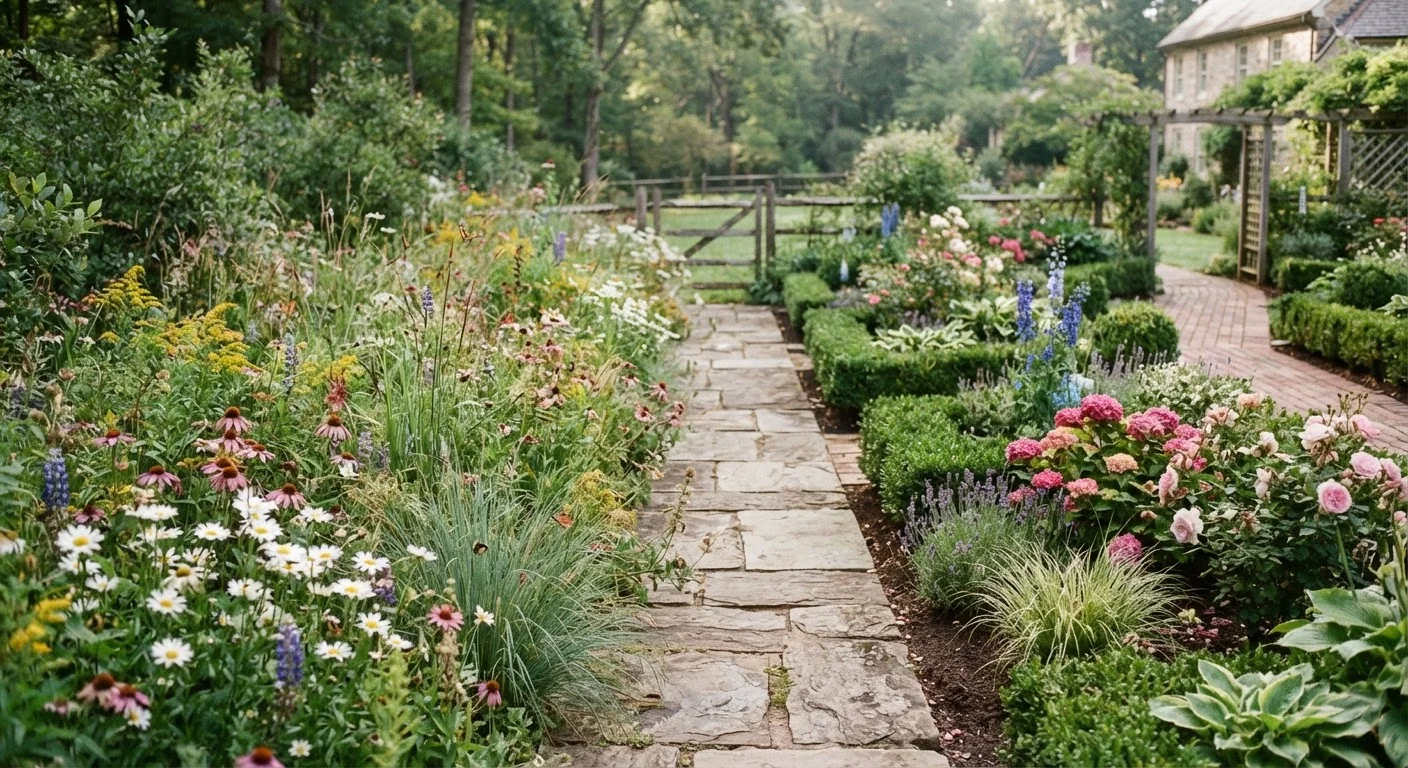
Photo credit: InfoHorizon.net | Access To Informative Content
In this article
Weigh the ecological benefits of native plants against the aesthetic range of non-native ornamentals to make informed choices for your landscape.
Key Takeaways
- Native plants evolved locally and typically need less water, fertilizer, and pest control once established.
- Non-native ornamentals offer a wider palette of colors, forms, and bloom times for garden design.
- Some non-native plants can become invasive, threatening local ecosystems — research species before planting.
- A blended approach combining natives and well-behaved non-natives suits most American yards well.
- Matching any plant — native or not — to your hardiness zone and soil type is always the first step.
Require less water once established
Native plants are adapted to local rainfall patterns and soil conditions, meaning they typically need little to no supplemental irrigation after their first season in the ground.
Support local pollinators and wildlife
Native species provide the specific pollen, nectar, seeds, and shelter that local bees, butterflies, birds, and other wildlife have evolved to rely on — a benefit most ornamentals can't fully replicate.
Naturally resist local pests and diseases
Because they co-evolved with regional insects and pathogens, native plants often tolerate local pest pressure without chemical intervention, reducing the need for pesticides.
Rarely become invasive
Plants native to a region are already held in ecological balance by local predators, competitors, and conditions, so they're far less likely to spread aggressively beyond their planting area.
Lower long-term maintenance costs
Reduced need for fertilizers, irrigation infrastructure, and pest treatments translates into meaningful savings over the lifetime of the planting.
Limited variety in some regional palettes
Depending on where you live, the native plant selection available at local nurseries may be narrower in color, form, or bloom season than what non-native ornamentals offer.
Can look informal or 'wild' by default
Many native plantings naturally grow in loose, naturalistic forms that may not suit homeowners who prefer a tidy, structured landscape aesthetic without some design intention.
Establishment period requires attention
Despite their long-term hardiness, most native plants need consistent watering and weeding during their first one to two growing seasons while their root systems develop.
Sourcing quality natives can be challenging
Not all plants labeled 'native' at garden centers are true local ecotypes — some are cultivars that may offer reduced wildlife value. Finding reliable native plant sources takes extra research.
What Makes a Plant 'Native' — and Why It Matters
A native plant is one that naturally occurs in a specific region without human introduction — it evolved alongside local soils, climate patterns, insects, and wildlife over thousands of years. A non-native ornamental, by contrast, originates elsewhere in the world and was introduced — often intentionally — for its visual appeal.
This distinction matters because native plants have built-in relationships with local ecosystems. Native bees, butterflies, and birds have co-evolved with these plants and depend on them for food, shelter, and reproduction. Non-native plants may lack those ecological connections, which can make them beautiful but biologically quiet in your yard.
Before choosing plants, it's worth checking your USDA hardiness zone and local soil conditions. Our quick-reference planting guide can help you match any plant — native or otherwise — to your yard's specific conditions.
Pros of Native Plants
Native plants come with a set of built-in advantages that make them particularly appealing for low-effort, ecologically minded landscaping.
Require less water once established
Native plants are adapted to local rainfall patterns and soil conditions, meaning they typically need little to no supplemental irrigation after their first season in the ground.
Support local pollinators and wildlife
Native species provide the specific pollen, nectar, seeds, and shelter that local bees, butterflies, birds, and other wildlife have evolved to rely on — a benefit most ornamentals can't fully replicate.
Naturally resist local pests and diseases
Because they co-evolved with regional insects and pathogens, native plants often tolerate local pest pressure without chemical intervention, reducing the need for pesticides.
Rarely become invasive
Plants native to a region are already held in ecological balance by local predators, competitors, and conditions, so they're far less likely to spread aggressively beyond their planting area.
Lower long-term maintenance costs
Reduced need for fertilizers, irrigation infrastructure, and pest treatments translates into meaningful savings over the lifetime of the planting.
If you're looking for plants that perform year after year without replanting, many native perennials fit naturally into that goal. See our guide to low-fuss perennial flowers for options suited to your climate zone.
Cons of Native Plants
Despite their ecological reputation, native plants aren't a perfect or effortless solution for every yard or gardener.
Limited variety in some regional palettes
Depending on where you live, the native plant selection available at local nurseries may be narrower in color, form, or bloom season than what non-native ornamentals offer.
Can look informal or 'wild' by default
Many native plantings naturally grow in loose, naturalistic forms that may not suit homeowners who prefer a tidy, structured landscape aesthetic without some design intention.
Establishment period requires attention
Despite their long-term hardiness, most native plants need consistent watering and weeding during their first one to two growing seasons while their root systems develop.
Sourcing quality natives can be challenging
Not all plants labeled 'native' at garden centers are true local ecotypes — some are cultivars that may offer reduced wildlife value. Finding reliable native plant sources takes extra research.
Native Cultivars: A Middle Ground
Many nurseries now sell 'nativars' — cultivated varieties of native species bred for specific flower colors, compact size, or extended bloom. While they're native in origin, some nativars may produce less pollen or nectar than their wild counterparts, reducing their wildlife value. If supporting pollinators is a priority, look for straight species or cultivars that retain open flower forms rather than heavily doubled blooms.
Non-Native Ornamentals: The Design Case
Non-native ornamentals have dominated American garden centers for decades, and for good reason: they offer enormous variety in color, texture, size, and bloom season. Many were carefully bred or selected for reliability in garden conditions — disease resistance, compact growth, extended flowering — qualities that appeal to homeowners who want visual results without extensive horticultural experience.
Well-chosen non-natives can also fill gaps that native plant palettes sometimes leave. If you want a formal hedge, a specific flower color, or blooms at an unusual time of year, non-native species often provide options that natives in your region simply don't.
~35%
U.S. plant species that are non-native
According to U.S. Geological Survey data, roughly a third of plant species now found across the continental United States originated outside North America.
4,000+
Invasive plant species in the U.S.
The USDA estimates there are more than 4,000 invasive plant species currently established in the United States, the majority introduced originally as ornamentals.
The key caveat: not all non-native ornamentals are equal. Some remain well-behaved garden plants; others have escaped cultivation and become invasive in parts of the U.S., outcompeting native vegetation. Always check your state's invasive species list before introducing a new plant. Your local cooperative extension office is a reliable, free resource for region-specific guidance.
How to Build a Balanced Yard
Most experienced gardeners and ecologists don't frame this as an either-or choice. A yard that leans heavily on well-chosen natives — especially for trees, shrubs, and groundcovers that form the structural backbone — while incorporating carefully vetted non-native ornamentals for color and variety tends to perform well on every front: aesthetics, wildlife value, and ease of care.
A few practical guidelines to get started:
- Start with natives in high-value spots — near vegetable beds, pollinator corridors, or areas prone to erosion. Natives often stabilize soil and attract beneficial insects that support the whole yard.
- Layer your planting — combine native trees, shrubs, perennials, and groundcovers to create habitat structure. Add non-native annuals or ornamentals as accent layers where you want seasonal color.
- Research before you plant — use your state's native plant society website or cooperative extension service to identify which non-natives are known to be invasive in your region.
- Use mulch strategically — both native and non-native plantings benefit from proper mulching to retain moisture and suppress weeds. Our complete mulch guide covers depths, timing, and materials.
If you're working with raised beds alongside your in-ground landscape, check our comparison of raised beds vs. in-ground gardens to think through how each approach supports different plant types.
Fall is also a great time to plant natives — their root systems establish well in cooler soil. Our fall yard prep checklist includes tips on planting and protecting perennials before the first frost.

Author
Home & Garden Editorial Team
Home & Garden Editorial Team is the collective byline for our editorial team and contributor network. Articles published under this byline or an editorial pen name are researched, written, and reviewed according to our editorial standards for clarity, consistency, and independence before publication.
View all articles →