
Fall Yard Prep: Everything to Do Before the First Frost
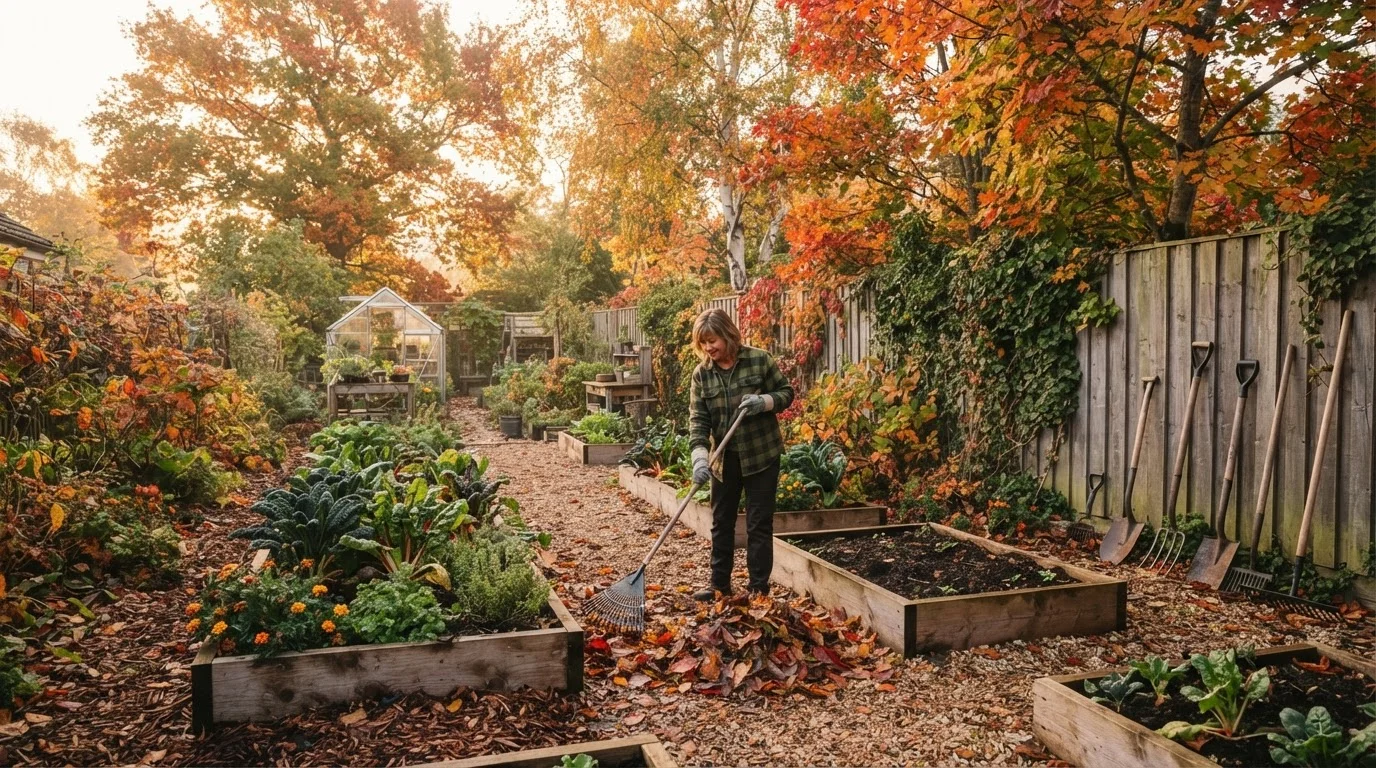
Photo credit: InfoHorizon.net | Access To Informative Content
In this article
Use this seasonal checklist to winterize your lawn, protect perennials, store tools, and set your garden up for a strong spring comeback.
Key Takeaways
- Winterizing your lawn in fall prevents cold-weather damage and jumpstarts spring growth.
- Protecting perennials and tender plants with mulch or covers can save them from frost kill.
- Draining and storing hoses, irrigation lines, and tools prevents costly freeze damage.
- Fall is the ideal time to aerate, overseed, and fertilize cool-season grasses.
- Clearing debris and leaves now reduces pest and disease pressure next season.
- Knowing your hardiness zone shapes which tasks are most urgent for your region.
Why Fall Prep Makes or Breaks Next Year's Yard
The weeks between Labor Day and your region's first frost are a narrow but powerful window. What you do — or skip — in this period determines how much of your yard survives winter and how fast it rebounds come April. Cold soil, frozen pipes, and hungry pests don't wait for a convenient moment.
Before diving into the checklist, it helps to know your starting point. Your local climate, soil type, and the plants already in the ground all shape which tasks are most critical. Our quick-reference planting guide can help you match your zone and conditions to the right approach.
Work through the checklist groups below in order — they're arranged from the tasks with the tightest deadlines to those you can complete at a more relaxed pace.
Garden rake
Clearing fallen leaves from lawn and beds without damaging grass or mulch.
Lawn aerator (core or spike type)
Perforating compacted soil to improve water and nutrient absorption before winter.
Compressed air source or irrigation blowout adapter
Clearing water from in-ground irrigation lines to prevent freeze-related pipe damage.
Mulch (bark, straw, or shredded leaves)
Insulating planting beds and perennial roots from cold-weather temperature extremes.
Slow-release fall fertilizer
Supplying phosphorus and potassium to support root growth during lawn dormancy.
Fuel stabilizer
Preventing fuel degradation in stored gas-powered lawn and garden equipment.
Soil test kit
Measuring pH and nutrient levels so amendments can be applied well before spring planting.
The Full Fall Yard Prep Checklist
Use this grouped checklist as a working reference. Print it out, check items off as you go, and revisit it each fall to build a reliable routine. Tasks marked must are non-negotiable in most climates; should items are strongly recommended; and nice-to-have items add real value when time permits.
Lawn Care
Planting Beds and Perennials
Water Systems and Irrigation
Tools, Equipment, and Storage
Soil and Compost
Timing Varies Widely by Region
The first frost can arrive in September in northern states and as late as December in the Deep South. Check your local cooperative extension service or a reliable weather service for your area's average first frost date — this is your hard deadline for the most critical checklist items. Completing lawn overseeding and irrigation drainage at least two weeks before that date gives seeds and systems adequate time to settle.
For everything related to protecting and feeding your soil through the cold months, our in-depth guide to mulching covers types, application depth, and timing in detail. And if you're winterizing more than just your yard this season, the same careful thinking applies to your vehicle — see seasonal car care tips for a parallel checklist.
Don't Overlook Your Deck and Outdoor Structures
Patios, decks, pergolas, and raised beds take a beating over summer and are vulnerable to freeze-thaw cycles in winter. Cracked wood, pooled water, and loose fasteners all worsen dramatically when temperatures dip below freezing repeatedly.
Never Seal Wet or Damp Wood
Applying sealant or stain to a deck or fence that hasn't fully dried traps moisture inside the wood and accelerates rot from within. Wait for at least two consecutive dry days before applying any wood treatment. If rain is in the forecast, hold off — a rushed seal job can cause more harm than skipping it entirely.
After addressing the structural basics, apply a fresh coat of sealant to any bare or weathered wood before sustained freezing begins. Our deck maintenance seasonal guide walks through exactly what to inspect and treat each fall to extend the life of your outdoor spaces.
If you're also weighing which plants to keep or replace, fall is an excellent time to research alternatives. Consider reading about native vs. non-native plants to plan a more resilient landscape for next year.

Author
Home & Garden Editorial Team
Home & Garden Editorial Team is the collective byline for our editorial team and contributor network. Articles published under this byline or an editorial pen name are researched, written, and reviewed according to our editorial standards for clarity, consistency, and independence before publication.
View all articles →