
Hardiness Zones, Sun Exposure, Soil Type: A Quick-Reference Planting Guide
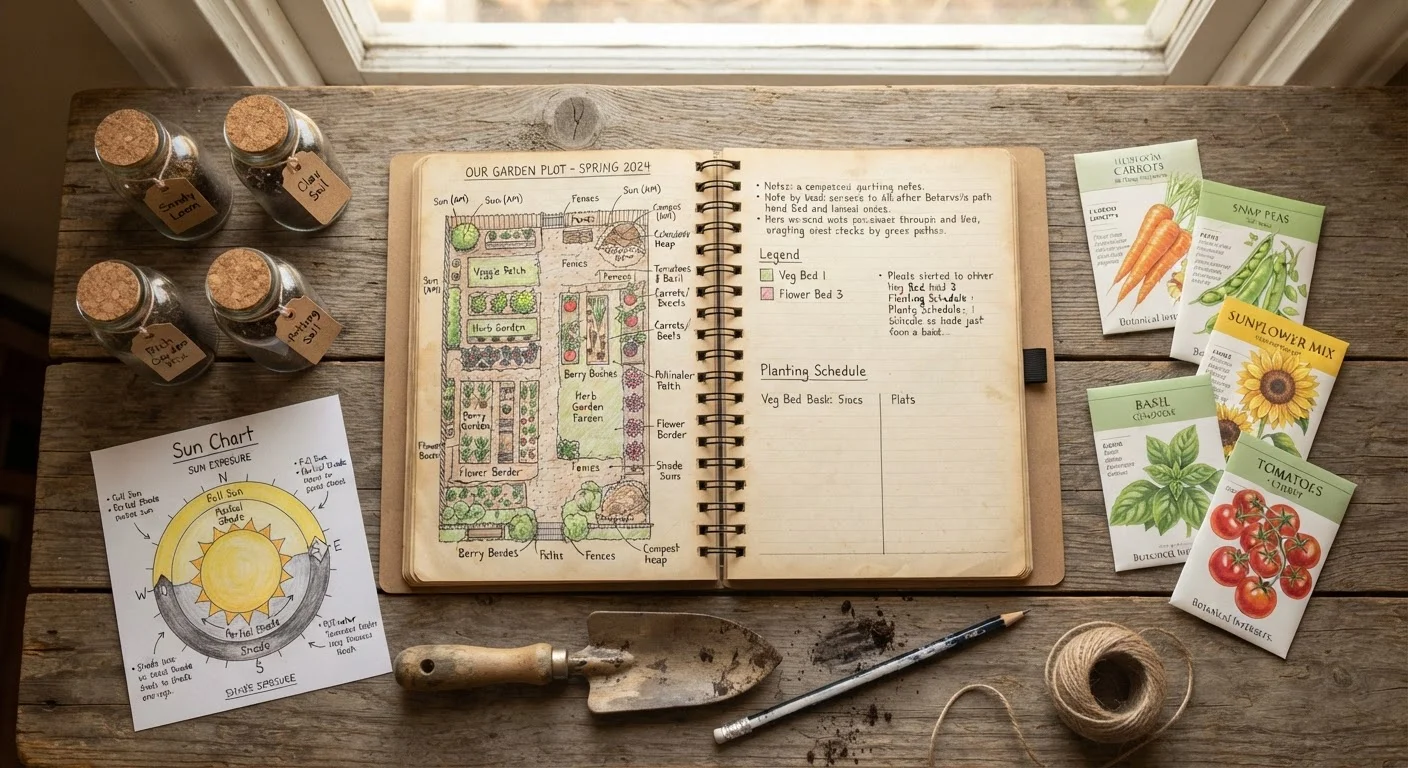
Photo credit: InfoHorizon.net | Access To Informative Content
In this article
A lookup-style reference covering USDA hardiness zones, sun classifications, and soil types to help you match plants to your yard's conditions.
How to Use This Guide
Successful planting isn't luck — it's matching the right plant to the right conditions. Three variables do most of the heavy lifting: your USDA hardiness zone (cold tolerance), your site's sun exposure (light availability), and your soil type (drainage and nutrients). Use this guide as a quick lookup reference whenever you're evaluating a plant tag, planning a new bed, or troubleshooting a struggling plant. For deeper dives into related topics, see our article on soil pH and what it means for your plants.
| Total USDA Hardiness Zones | 13 zones (Zones 1–13), each spanning 10°F (USDA Agricultural Research Service) |
| Full Sun Minimum | 6+ hours of direct sunlight per day (Standard horticultural classification) |
| Ideal Soil Texture for Most Plants | Loam (balanced sand, silt, and clay) (General horticultural consensus) |
| Most Common Garden Soil Problem | Poor drainage due to clay-heavy composition (Cooperative Extension general guidance) |
| Zone Map Last Updated | 2023 (most recent USDA revision) (USDA Plant Hardiness Zone Map) |
USDA Hardiness Zones at a Glance
The USDA Plant Hardiness Zone Map divides North America into 13 zones based on average annual extreme minimum winter temperatures. Each zone spans a 10°F range; each zone is further divided into an "a" (colder) and "b" (warmer) half-zone of 5°F each. Plant tags use zone numbers to indicate the coldest zone a plant can reliably survive — but survivability and thriving are different things. A plant listed for Zone 6 can survive a Zone 6 winter; it may thrive best in Zone 7 or 8.
| Zone | Avg. Min. Winter Temp (°F) | Example Region |
|---|---|---|
| 3 | -40 to -30 | Northern Minnesota, northern Maine |
| 5 | -20 to -10 | Chicago, IL; Denver, CO |
| 7 | 0 to 10 | Nashville, TN; Seattle, WA |
| 9 | 20 to 30 | Houston, TX; Sacramento, CA |
| 11 | Above 40 | Hawaii, southern Florida |
To find your precise zone, use the USDA's free online map at planthardiness.ars.usda.gov — enter your zip code and your zone appears instantly. Keep in mind that microclimates (a south-facing wall, a low frost pocket) can shift conditions by a full zone within a single yard.
Hardiness Zone
A geographic region defined by its average annual extreme minimum winter temperature. The USDA system uses these zones to indicate which plants can survive winter cold in a given area.
Microclimate
A localized set of atmospheric conditions that differ from the surrounding area. A south-facing wall, a low hollow, or a paved surface can each create a microclimate warmer or colder than the surrounding yard.
Loam
A soil texture made up of roughly equal parts sand and silt, plus a smaller proportion of clay. It is considered ideal for most plants because it drains well while retaining adequate moisture and nutrients.
Partial Shade
A light condition providing 3–6 hours of direct sunlight per day, with the plant preferring conditions toward the shadier end of that range. Often used for plants that need protection from intense afternoon sun.
Soil Amendment
Any material worked into existing soil to improve its physical or chemical properties. Common amendments include compost, coarse sand, peat moss, and lime.
Drainage
The rate at which water moves through and out of the soil. Poor drainage leads to waterlogged roots; excessive drainage causes drought stress even after watering.
Sun Exposure Classifications
Every plant tag uses one of four standardized light labels. Matching these to your actual yard conditions is just as important as matching your hardiness zone.
- Full Sun: 6 or more hours of direct sunlight daily. Most vegetables, roses, and ornamental grasses fall here.
- Partial Sun / Partial Shade: 3–6 hours of direct sun. "Partial sun" plants prefer the sunny end of that range; "partial shade" plants prefer the shady end. Hydrangeas and astilbes are common examples.
- Full Shade: Fewer than 3 hours of direct sun. Hostas, ferns, and many groundcovers thrive here. Note that deep shade under dense evergreens is more challenging than the dappled shade under a deciduous tree.
Measure light honestly: walk your beds at mid-morning, noon, and mid-afternoon on a clear day to see where shadow falls at each hour. Many gardeners overestimate how much sun a spot receives. This also affects watering — shaded beds dry out more slowly. Our guide on recognizing and correcting overwatering explains why low-light areas are especially prone to moisture problems.
80%
Plant failures linked to wrong site conditions
Cooperative Extension educators widely cite site mismatch — wrong zone, light, or soil — as the leading cause of preventable plant loss in home gardens.
13
USDA hardiness zones across North America
The 2023 USDA revision updated zone boundaries for roughly half of the United States, reflecting shifts in recorded minimum temperatures.
3–6 hrs
Daily sun for partial shade plants
Standard horticultural labeling defines partial shade as 3 to 6 hours of direct sun, with afternoon shade generally preferred to protect sensitive foliage.
Soil Types and What They Mean for Plants
Soil type determines how quickly water drains, how well roots penetrate, and how readily nutrients become available. Most garden soils fall into one of five categories or a blend of them.
- Sandy Soil
- Large particles, drains quickly, warms fast in spring. Nutrients leach easily. Works well for lavender, succulents, and root vegetables. Improve with compost to boost water retention.
- Clay Soil
- Tiny particles, drains slowly, compacts when wet. Rich in minerals but prone to waterlogging. Amend with coarse sand and organic matter. Many native prairie plants tolerate clay well.
- Silt Soil
- Medium particles, moderate drainage, fertile. The most productive of the single-texture soils when not compacted. Susceptible to surface crusting.
- Loam
- The ideal blend of sand, silt, and clay — typically about 40/40/20. Drains well but retains moisture, easy to work, and nutrient-rich. Most plant tags assume loam as the baseline.
- Peaty / Organic Soil
- High in organic matter, holds moisture, slightly acidic. Excellent for acid-loving plants like blueberries and rhododendrons.
A simple jar test reveals your soil's composition: fill a jar with soil and water, shake, and let it settle for 24 hours. Sand sinks first, silt next, clay last. The visible layers show your approximate ratio. Adding organic mulch annually improves nearly every soil type over time — see our complete guide to mulch for how to apply it effectively. Choosing plants suited to your native soil — rather than fighting it — is also one of the strongest arguments covered in our piece on native plants vs. non-native ornamentals.
Zone Maps Are a Starting Point, Not a Guarantee
Hardiness zones reflect average minimum winter temperatures — they do not account for summer heat, humidity, soil conditions, or rainfall. A plant labeled Zone 7 may still struggle in Zone 7 if your summers are excessively hot and dry or your soil drains poorly. Always cross-reference zone data with sun and soil requirements, and consider your regional climate patterns beyond just winter lows. For fall-specific planning, our fall yard prep checklist helps you protect plants before winter arrives.

Author
Home & Garden Editorial Team
Home & Garden Editorial Team is the collective byline for our editorial team and contributor network. Articles published under this byline or an editorial pen name are researched, written, and reviewed according to our editorial standards for clarity, consistency, and independence before publication.
View all articles →