
Plant-Based Eating vs. Omnivorous Diets: A Nutritional Comparison
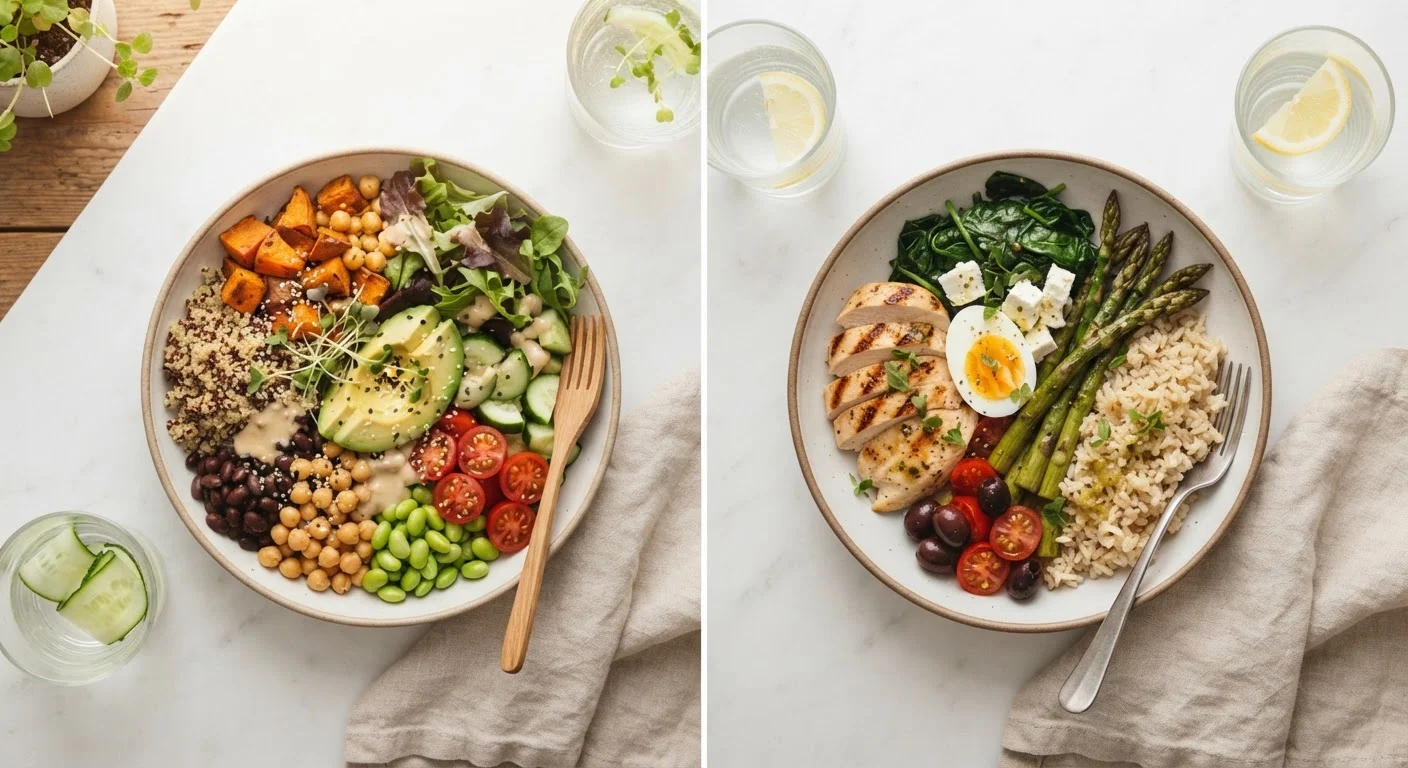
Photo credit: InfoHorizon.net | Access To Informative Content
In this article
Compare how plant-based and omnivorous diets stack up nutritionally, including nutrients that deserve attention in each.
Key Takeaways
- Plant-based diets tend to be higher in fiber, antioxidants, and certain vitamins but require attention to B12, iron, and omega-3s.
- Omnivorous diets offer broader access to complete proteins and heme iron but can fall short on fiber and phytonutrients.
- Both patterns can be nutritionally adequate when planned thoughtfully and built around whole, minimally processed foods.
- No single diet pattern is universally superior — individual health needs, preferences, and access to food all matter.
- Consulting a registered dietitian can help tailor either approach to your specific nutritional requirements.
Defining the Two Dietary Patterns
A plant-based diet emphasizes foods derived from plants — vegetables, fruits, legumes, whole grains, nuts, and seeds. It exists on a spectrum: some people follow a fully vegan approach (no animal products), while others adopt a plant-forward pattern that still includes small amounts of meat, fish, or dairy. An omnivorous diet incorporates both plant and animal foods without systematic restriction of either category.
Neither label tells you much about diet quality on its own. A plant-based eater could subsist mainly on refined snack foods, while an omnivore could build every meal around vegetables and lean proteins. That's why nutritional comparisons focus on typical well-planned versions of each pattern rather than best- or worst-case examples. For a grounded introduction to plant-forward eating, see what plant-based eating means and how to start.
Where Plant-Based Diets Have the Edge
Well-planned plant-based diets consistently deliver higher amounts of dietary fiber, which supports digestive health, helps regulate blood sugar, and is associated with lower cardiovascular risk. Most Americans fall significantly short of fiber recommendations, making this an area where plant-forward eating has a meaningful practical advantage.
Plant foods are also dense in phytonutrients — compounds like flavonoids, carotenoids, and polyphenols that act as antioxidants and anti-inflammatory agents in the body. These aren't classified as essential nutrients, but research consistently links higher intake to reduced risk of chronic disease. Additionally, plant-based diets tend to be lower in saturated fat, which is associated with cardiovascular health when the diet is otherwise balanced.
| Nutrient / Factor | Plant-Based Diet | Omnivorous Diet | |
|---|---|---|---|
| Dietary Fiber | Typically high | Often low to moderate | |
| Complete Protein | Requires combining foods | Readily available | |
| Vitamin B12 | Supplement or fortified foods needed | Naturally abundant | |
| Iron (Heme) | Non-heme only; lower absorption | Both heme and non-heme available | |
| Omega-3 (EPA/DHA) | Limited; ALA conversion is inefficient | Available via fatty fish | |
| Phytonutrients & Antioxidants | Typically very high | Varies with vegetable intake | |
| Saturated Fat | Generally lower | Can be higher depending on choices |
Vitamins C and E, folate, magnesium, and potassium are also typically more abundant in plant-heavy eating patterns. Understanding how to read food labels helps in tracking these nutrients — reading a nutrition label without getting lost can sharpen those skills.
Where Omnivorous Diets Have the Edge
Animal foods provide complete proteins — meaning they contain all nine essential amino acids in proportions the body uses efficiently. Plant proteins are often incomplete individually, though combining foods like legumes and grains across the day can meet the same needs. The omnivorous diet simply makes complete protein more straightforward to obtain.
Heme iron, found in red meat and poultry, is absorbed at a significantly higher rate than the non-heme iron in plant foods. This matters especially for people with elevated iron needs. Similarly, vitamin B12 occurs naturally only in animal products; plant-based eaters must rely on fortified foods or supplements to avoid deficiency over time.
Closing the Gap with Smart Food Choices
Plant-based eaters can boost iron absorption by pairing non-heme iron sources (like lentils or spinach) with vitamin C-rich foods such as bell peppers or citrus. For omega-3s, algae-based supplements provide EPA and DHA directly — the same source fish themselves use — making them a practical alternative to fish oil. Always discuss supplementation needs with a healthcare provider.
Omega-3 fatty acids — particularly EPA and DHA, which support brain and heart health — are most readily available from fatty fish. Plant sources like flaxseed and walnuts provide ALA, a precursor that the body converts to EPA and DHA only at low efficiency. Zinc and calcium absorption can also be lower from plant sources due to compounds called phytates and oxalates that inhibit mineral uptake.
Nutrients That Deserve Attention on Either Path
Every dietary pattern creates its own set of potential gaps. For plant-based eaters, the most critical nutrients to monitor are vitamin B12, vitamin D, long-chain omega-3s (EPA/DHA), calcium, iron, zinc, and iodine. Many of these can be addressed through fortified foods or supplementation, but awareness is the first step.
Omnivores are not automatically off the hook. Diets heavy in ultra-processed foods, red meat, and low in vegetables routinely fall short on fiber, potassium, magnesium, and vitamins C and E. The concept that eating animal foods guarantees nutritional completeness is a misconception — diet quality matters far more than diet category. Comparing whole foods versus processed foods is equally relevant regardless of which pattern you follow.
Regardless of dietary approach, building meals around whole, minimally processed ingredients addresses many common gaps. Weekly meal planning with a nutritional checklist can help ensure variety across the week. Budget is also a real factor — eating well on a budget offers strategies for making either pattern more accessible.
This article is for general informational purposes only and does not constitute medical or nutritional advice. Speak with a registered dietitian or qualified healthcare provider before making significant changes to your diet, especially if you have a health condition or specific nutritional concerns.

Author
Health Editorial Team
Health Editorial Team is the collective byline for our editorial team and contributor network. Articles published under this byline or an editorial pen name are researched, written, and reviewed according to our editorial standards for clarity, consistency, and independence before publication.
View all articles →