
Plant-Based Eating: What It Means and How to Start
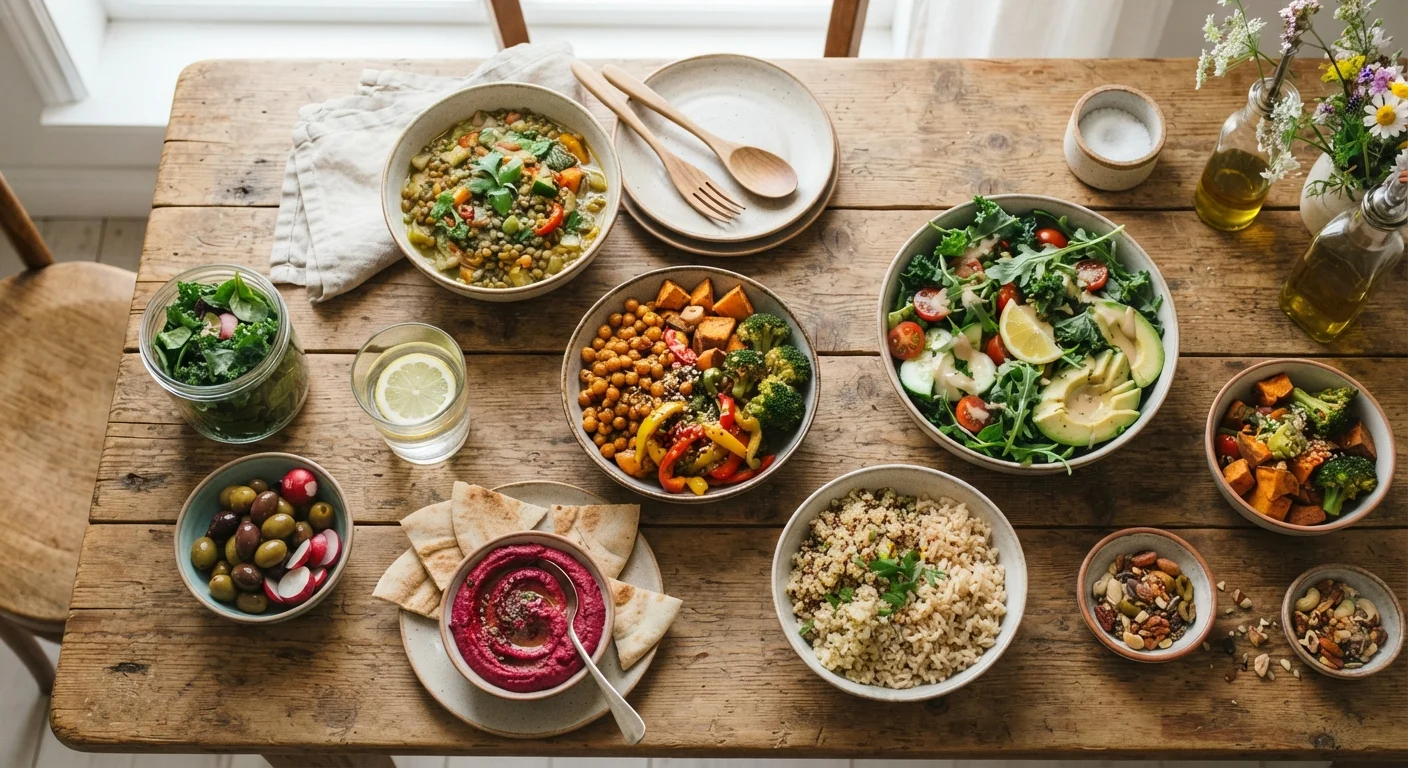
Photo credit: InfoHorizon.net | Access To Informative Content
In this article
A grounded introduction to plant-forward diets — what they include, common nutritional considerations, and realistic first steps.
Key Takeaways
- Plant-based eating emphasizes whole plant foods but doesn't require eliminating all animal products.
- Protein, vitamin B12, iron, and omega-3s are nutrients to plan for intentionally on a plant-forward diet.
- Small, gradual shifts — like adding one plant-centered meal per day — tend to stick better than overnight overhauls.
- Whole plant foods are generally more nutritious than highly processed plant-based alternatives.
- Consulting a registered dietitian is worthwhile if you have specific health conditions or are making significant dietary changes.
What Plant-Based Eating Actually Means
The term plant-based gets used loosely, so it helps to be clear about what it actually describes. At its core, plant-based eating means building meals primarily around whole plant foods — vegetables, fruits, legumes, whole grains, nuts, and seeds — rather than animal products.
This is different from being strictly vegan or vegetarian, though those patterns do fall under the plant-based umbrella. Many people follow a flexitarian approach: plants take center stage, but small amounts of meat, fish, eggs, or dairy still appear occasionally. There is no single rigid rulebook.
What unites these approaches is the emphasis on food quality and composition. Plant-forward diets are associated in research with higher intake of fiber, certain vitamins, and phytonutrients. To understand how this compares to other eating patterns nutritionally, see our plant-based vs. omnivorous diet comparison.
Plant-based diet
An eating pattern centered on whole plant foods — vegetables, fruits, legumes, grains, nuts, seeds — with animal products reduced or eliminated.
Flexitarian
Someone who eats mostly plant foods but occasionally includes meat, fish, or other animal products without strict rules.
Legumes
A food family that includes beans, lentils, chickpeas, and peas — key protein and fiber sources in plant-based eating.
Phytonutrients
Naturally occurring compounds in plants that contribute to their color, flavor, and various health-supporting properties.
Non-heme iron
The form of iron found in plant foods, which is absorbed less efficiently than the heme iron in meat — but absorption can be improved by pairing with vitamin C.
ALA (alpha-linolenic acid)
A plant-derived omega-3 fatty acid found in flaxseed, chia seeds, and walnuts; the body converts it in limited amounts to the longer-chain omega-3s also found in fish.
Key Nutrients to Keep on Your Radar
Shifting toward plant-based eating doesn't require obsessive tracking, but a few nutrients deserve deliberate attention because plant sources can be less abundant or less readily absorbed.
- Protein: Beans, lentils, tofu, tempeh, edamame, and whole grains like quinoa all provide protein. Eating a variety across the day covers needs for most healthy adults without precise measuring.
- Vitamin B12: Found reliably only in animal foods. Anyone eating little or no animal products should discuss supplementation with a healthcare provider — this is one area where a gap is very real.
- Iron: Plant sources (legumes, fortified cereals, leafy greens) contain non-heme iron, which is less readily absorbed than iron from meat. Eating these foods alongside vitamin C — think lemon juice on lentils — improves absorption.
- Omega-3 fatty acids: Walnuts, flaxseed, chia seeds, and hemp seeds provide ALA, a plant form of omega-3. The body converts ALA to the longer-chain forms found in fish, but conversion is limited; this is something to discuss with a dietitian if it concerns you.
- Calcium and vitamin D: If dairy is reduced, focus on fortified plant milks, tofu made with calcium sulfate, leafy greens like bok choy and kale, and — for vitamin D — regular sun exposure or supplementation as appropriate.
This article is for general informational purposes and is not a substitute for personalized medical or nutrition advice. Consult a registered dietitian or your healthcare provider for guidance specific to your health situation.
Pair iron-rich plants with vitamin C
Non-heme iron from plant foods is more readily absorbed when eaten alongside vitamin C. Try squeezing lemon juice over lentils, adding bell pepper to bean dishes, or eating strawberries with iron-fortified oatmeal. Small additions like these make a meaningful nutritional difference without any extra effort.
How to Start: Practical First Steps
The most durable dietary changes tend to be gradual ones. Rather than overhauling everything at once, start with shifts that are immediately manageable.
- Add one plant-centered meal per day. Breakfast is often the easiest entry point — oatmeal topped with fruit and nuts, or whole grain toast with avocado and a handful of seeds, requires little effort and sets a strong nutritional foundation for the morning.
- Rethink your plate proportions. Aim to fill at least half your plate with vegetables and fruits, a quarter with whole grains, and a quarter with legumes or other protein sources. Our guide on building a balanced plate walks through this in detail.
- Stock a plant-friendly pantry. Dried or canned beans, lentils, canned tomatoes, whole grain pasta, oats, and frozen vegetables are affordable and versatile. See eating well on a budget for smart stocking strategies.
- Explore new recipes gradually. The Cooking & Recipes hub is a useful starting point for plant-forward meal ideas that work in real kitchens.
Common Mistakes and How to Avoid Them
A few patterns tend to trip up people new to plant-based eating — knowing them in advance makes a real difference.
Relying too heavily on processed plant foods. Veggie burgers, plant-based nuggets, and oat milk ice cream are convenient, but they're still processed foods. They shouldn't displace whole plant foods like vegetables, beans, and whole grains. For a clearer picture of what whole versus processed really means nutritionally, see our piece on whole foods vs. processed foods.
Not eating enough variety. Eating the same three vegetables every week limits your nutrient range. Rotating through different vegetables, legumes, and grains — even gradually — broadens your nutritional base.
Skipping protein at meals. Without intentional planning, it's easy to build a plate that's mostly carbohydrates. Include a legume, tofu, tempeh, or other protein source at most meals to stay satisfied and meet nutritional needs.
Treating it as all-or-nothing. One meal with chicken doesn't undo a week of plant-forward eating. Flexibility reduces pressure and makes the approach sustainable long-term. For further guidance on structuring meals sensibly without obsessive tracking, see building a balanced plate without counting calories.
Watch out for hidden nutrition gaps
Switching to plant-based eating without planning can lead to unintended shortfalls — particularly in vitamin B12, which is not reliably present in plant foods. Before making major dietary changes, especially if you have an existing health condition, speak with a registered dietitian who can assess your individual needs.
For broader foundational nutrition context, the Nutrition Basics hub covers the core principles of eating well across all dietary patterns.
Frequently Asked Questions

Author
Food Editorial Team
Food Editorial Team is the collective byline for our editorial team and contributor network. Articles published under this byline or an editorial pen name are researched, written, and reviewed according to our editorial standards for clarity, consistency, and independence before publication.
View all articles →