
Weekly Meal Planning: A Practical Checklist for Nutritional Balance
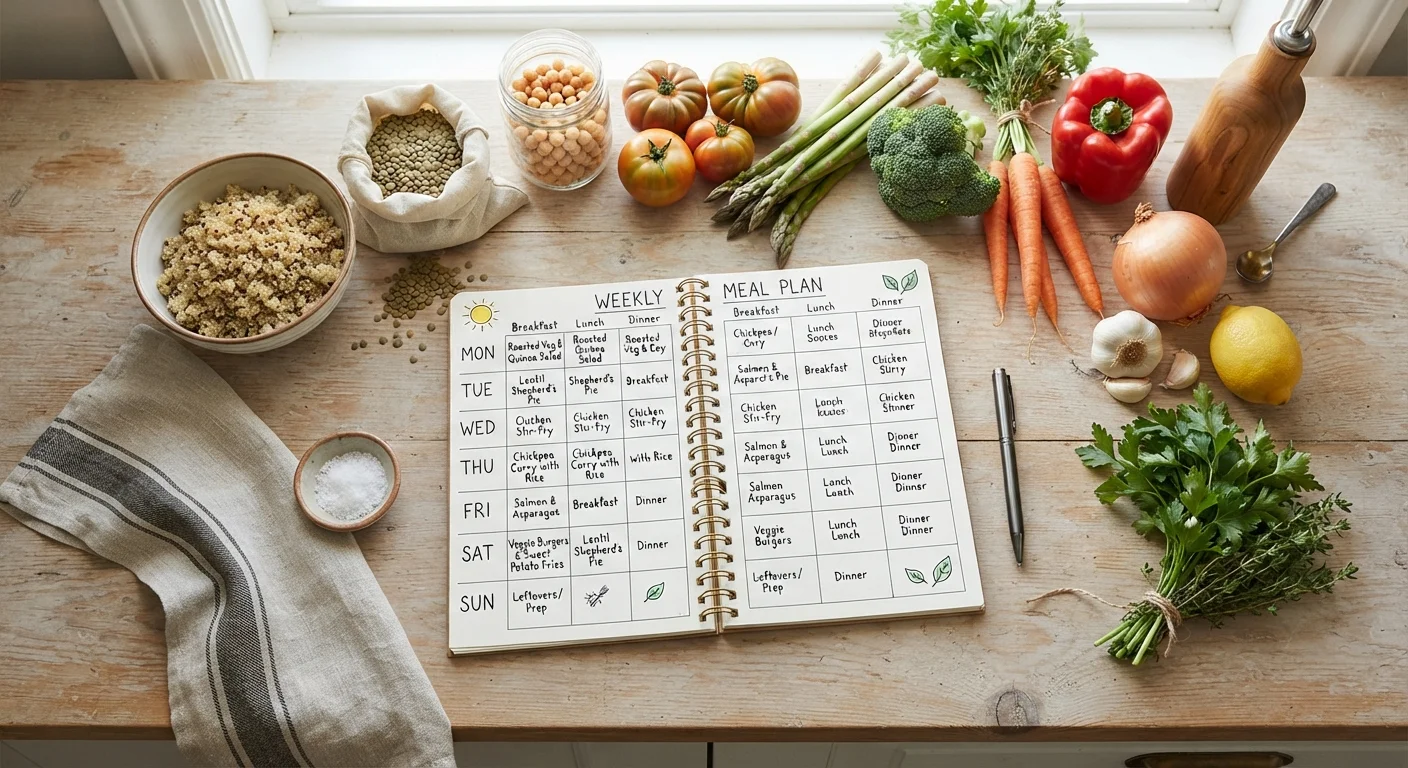
Photo credit: InfoHorizon.net | Access To Informative Content
In this article
Use this checklist to plan a week of meals that covers essential nutrients, avoids common gaps, and suits real life.
Key Takeaways
- Covering all major food groups each week is more manageable than perfecting every individual meal.
- A few recurring nutrient gaps — fiber, omega-3s, calcium, and iron — affect many American diets.
- Planning snacks alongside meals prevents impulsive choices that undermine nutritional goals.
- Batch-friendly ingredients reduce prep time without sacrificing variety or balance.
- Consulting a registered dietitian is worthwhile if you have specific health conditions or dietary needs.
Why a Weekly View Changes How You Eat
Thinking about nutrition one meal at a time is exhausting and often counterproductive. A single lunch that leans heavy on refined carbohydrates doesn't define your diet — what matters is the pattern across the week. A weekly meal plan lets you spot gaps before they become habits, distribute variety naturally, and shop with purpose rather than impulse.
This checklist is designed around that weekly perspective. It covers the foundational questions you should answer before you cook anything: what nutrients are you likely to miss, what ingredients can serve double duty, and how does your plan hold up against a real week with real constraints? For a deeper look at the nutrients mentioned throughout, the Vitamins and Minerals reference guide is a useful companion. And if budget is a factor, see our guide on eating well on a budget.
Work through each group below at your own pace. Most people complete a first-pass plan in 30 to 60 minutes, with subsequent weeks taking less time as the framework becomes familiar.
Weekly meal planning grid or template
Provides a visual structure to map out all meals and snacks across seven days at a glance.
Pantry and refrigerator inventory list
Helps you record existing ingredients before planning, reducing waste and unnecessary purchases.
Nutrition reference (e.g., USDA FoodData Central)
Allows you to look up the nutrient content of specific foods when assessing potential gaps in your plan.
Grocery list organized by store section
Streamlines shopping by grouping items — produce, proteins, grains, dairy — to reduce time and impulse buys.
How to Use This Checklist
Start with the Preparation group before you write a single meal down. The inventory and gap-identification steps prevent you from planning in a vacuum. Then move through the remaining groups in order — structure your meals, address nutrients, plan snacks, and do a final audit before you shop.
Items marked must are non-negotiable for a nutritionally sound plan. Items marked should are strongly recommended and will meaningfully improve balance. Nice-to-have items are worth adding when time allows.
This Is Education, Not Medical Advice
This checklist reflects general public health nutrition principles and is intended for educational purposes only. It is not a substitute for personalized guidance from a registered dietitian or other qualified healthcare professional. Individual nutritional needs vary based on age, health status, activity level, and other factors. If you have a specific medical condition, food allergy, or prescribed dietary plan, consult a professional before making significant changes to your eating habits.
This checklist is general nutrition education, not personalized dietary advice. If you manage a chronic health condition, follow a medically supervised diet, or have specific nutrient requirements, work with a registered dietitian rather than relying on general guidelines alone.
Preparation
Meal Structure
Nutrient Coverage Audit
Snack Planning
Final Review Before Shopping
Common Nutrient Gaps to Watch For
Even well-intentioned meal plans routinely fall short in four areas: dietary fiber (found in vegetables, legumes, whole grains, and fruit), omega-3 fatty acids (fatty fish, walnuts, flaxseed), calcium (dairy, fortified plant milks, leafy greens, tofu set with calcium sulfate), and iron — especially for people who eat little or no red meat. Pairing plant-based iron sources like lentils or spinach with a vitamin C-rich food improves absorption.
Snacks deserve the same scrutiny as meals. What makes a snack genuinely nourishing covers the characteristics to look for when you're building that part of your plan. If time pressure is the main obstacle to consistent eating, practical strategies for busy schedules addresses that directly.
Don't Over-Optimize at the Expense of Variety
Repeatedly cycling the same few 'healthy' meals can create its own nutritional gaps and often leads to meal fatigue that breaks the habit entirely. Aim for a range of ingredients and flavors across the week. Variety itself is a nutritional strategy — different foods contribute different micronutrients that no single meal can cover alone.
Once your plan is built, the weekly meal prep routine guide will help you translate it into actual food without spending your entire weekend cooking. Browse Nutrition & Eating for ongoing support as your habits evolve.

Author
Health Editorial Team
Health Editorial Team is the collective byline for our editorial team and contributor network. Articles published under this byline or an editorial pen name are researched, written, and reviewed according to our editorial standards for clarity, consistency, and independence before publication.
View all articles →