
Eating Well on a Budget: Making Nutritious Food Affordable
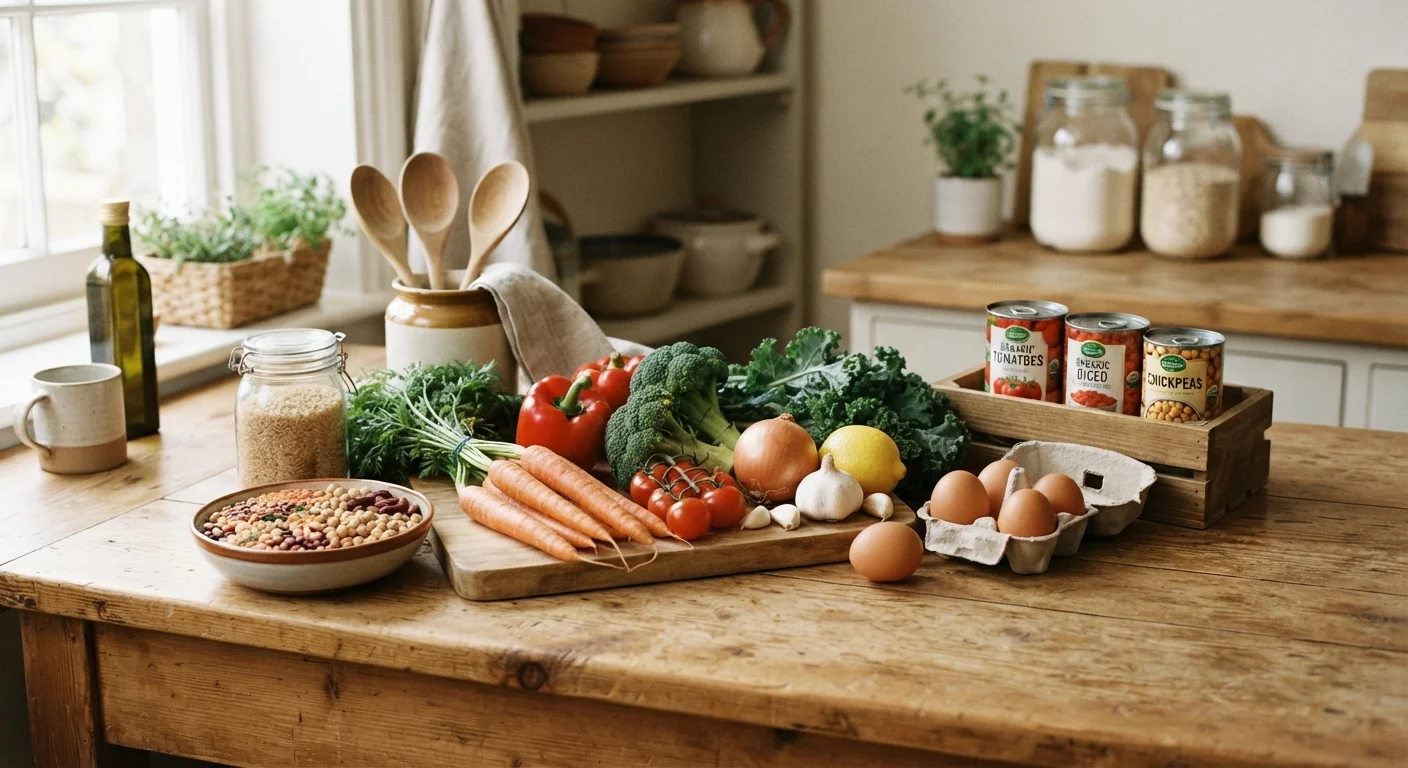
Photo credit: InfoHorizon.net | Access To Informative Content
In this article
Practical strategies for stretching your grocery dollars without sacrificing the nutritional quality of your meals.
Key Takeaways
- Plant proteins like beans and lentils cost a fraction of meat while delivering comparable nutrition.
- Buying staples in bulk and choosing frozen produce cuts costs without sacrificing vitamins.
- Meal planning before you shop is the single most effective way to reduce food waste and overspending.
- Store-brand and generic products typically match the nutritional quality of name-brand equivalents.
- Cooking from scratch, even partially, dramatically lowers per-serving costs compared to packaged convenience foods.
Why Nutritious Eating Feels Expensive (And Why It Doesn't Have to Be)
The perception that healthy food is unaffordable is widespread — and understandable. Marketing for premium health products, specialty superfoods, and organic lines can make it seem like good nutrition requires a premium budget. But the nutritional science tells a different story.
Budget Eating Is Not Low-Nutrition Eating
Many of the world's most nutrient-dense foods — dried legumes, whole grains, eggs, frozen vegetables, canned fish — are also among the least expensive items in the grocery store. The connection between high cost and high nutrition is largely a marketing myth. With a little planning, a tight food budget can still support a genuinely balanced diet.
The foods that nutrition researchers consistently associate with long-term health outcomes — vegetables, legumes, whole grains, nuts, and fish — are not the most expensive foods in the store. What drives up grocery bills are processed convenience foods, pre-cut and pre-packaged items, specialty health products, and frequent reliance on takeout. Redirecting spending toward whole-food staples and cooking more at home are the two highest-leverage moves you can make. For a broader look at building sustainable eating habits, see our article on healthy eating habits that hold up over time.
If time is also a constraint, the strategies below pair well with the advice in our guide on eating well on a busy schedule.
What You Need Before You Start
A little preparation makes the steps below much easier to follow. Gather these resources before your next shopping trip.
What you will need
Grocery store app or weekly circular
Identify current sales and store-brand prices before making your shopping list.
Freezer-safe containers or zip bags
Store batch-cooked grains, beans, or soups to extend the value of bulk purchases.
Kitchen scale
Accurately portion bulk staples and compare unit costs when buying in quantity.
Slow cooker or Instant Pot
Cook dried beans and tough, inexpensive cuts of meat hands-off and efficiently.
Once you have a budget target and a plan, follow the steps below to put it all into practice.
Step-by-Step: Stretching Your Food Dollar Without Cutting Nutrition
Plan Once, Save All Week
Spending 15–20 minutes planning meals before you shop prevents impulse buys, reduces waste, and ensures every ingredient you purchase gets used. Check your pantry first to build meals around what you already have. Our weekly meal planning checklist can help you structure a nutritionally balanced week without overcomplicating it.
Set a realistic weekly food budget
Before you can shop smart, you need a target number. Review what you currently spend on food — groceries plus any takeout — and decide on a realistic weekly limit. If budgeting is new to you, our beginner's guide to personal budgeting walks through the foundational steps. Separate your grocery budget from dining-out spending so you can track each clearly.
Plan your meals before you write your list
Map out four to five dinners for the week along with simple breakfast and lunch staples. Design meals so ingredients overlap — for example, a batch of cooked lentils can become soup on Monday and a grain bowl topping on Wednesday. This approach slashes waste dramatically. Use our grocery shopping checklist to make sure your plan covers key food groups.
Anchor meals around affordable protein sources
Meat is typically the most expensive item in a cart. Dried or canned beans, lentils, chickpeas, eggs, canned tuna or salmon, and plain Greek yogurt all provide substantial protein at a fraction of the cost. Aim to build at least half your weekly meals around these sources. For a deeper look at how plant-forward eating works nutritionally, see our guide on getting started with plant-based eating.
Choose frozen and canned produce strategically
Frozen vegetables are harvested at peak ripeness and flash-frozen, preserving most of their vitamins and minerals — often matching or exceeding the nutrient content of fresh produce that has been sitting in transit. Plain frozen spinach, broccoli, peas, and corn are workhorses. Canned tomatoes, pumpkin, and beans are similarly nutritious and shelf-stable. Look for canned vegetables with no added salt, or rinse them before use to reduce sodium.
Buy staples in bulk and batch-cook
Whole grains (oats, brown rice, barley, farro), dried legumes, and nuts purchased in larger quantities cost less per serving than smaller packaged versions. Cook large batches on a weekend afternoon and refrigerate or freeze in portions. A pot of brown rice or a tray of roasted vegetables prepared once can anchor four or five quick meals throughout the week. This strategy also reduces the temptation to order takeout on busy evenings — a major budget drain for most households.
Compare unit prices and choose store brands
The shelf tag in most grocery stores shows a unit price (cost per ounce, pound, or count) alongside the item price. Always compare by unit price rather than package price — a larger container is not always cheaper per ounce. Store-brand or generic versions of pantry staples such as oats, canned goods, frozen vegetables, and pasta are produced under the same food-safety standards as name brands and are nutritionally equivalent. Learning to read a nutrition label makes it easy to verify this yourself.
Minimize food waste
Food thrown away is money thrown away. Store produce properly to extend its life — most leafy greens last longer wrapped in a dry paper towel inside a bag. Use vegetable scraps and bones to make stock. Repurpose leftovers into new meals: roasted vegetables become frittata filling; yesterday's grain bowl becomes fried rice. Tracking what you waste each week builds awareness and helps refine your next shopping list.
Watch Out for Hidden Costs in "Cheap" Foods
Ultra-processed convenience foods often appear cheap per package but are expensive per serving and low in nutritional value. Compare unit prices (cost per ounce or pound, shown on the shelf tag) rather than package prices. A large bag of dried oats, for example, costs far less per serving than single-serve flavored packets and contains no added sugars.
Building a Long-Term Budget-Friendly Kitchen
The strategies above work best when they become habits rather than one-time efforts. A well-stocked pantry — built gradually — is the foundation. When your shelves reliably hold dried lentils, canned tomatoes, oats, olive oil, and a few whole grains, you always have the makings of a nutritious meal, even on the leanest weeks.
Fiber-rich foods like legumes and whole grains are among the most affordable items in any grocery store and also among the most under-consumed — learn more in our piece on fiber and why most Americans aren't getting enough. For a structured approach to what to put in your cart each week, the balanced nutrition shopping checklist is a useful companion. If you have outdoor space, even a small vegetable garden can meaningfully offset produce costs — our guide to starting a vegetable garden in a small backyard shows how to begin.
This article provides general nutrition and food budgeting information for educational purposes. It is not a substitute for personalized advice from a registered dietitian or financial professional.

Author
Food Editorial Team
Food Editorial Team is the collective byline for our editorial team and contributor network. Articles published under this byline or an editorial pen name are researched, written, and reviewed according to our editorial standards for clarity, consistency, and independence before publication.
View all articles →