
Weekly Grocery Shopping Checklist for Balanced Nutrition
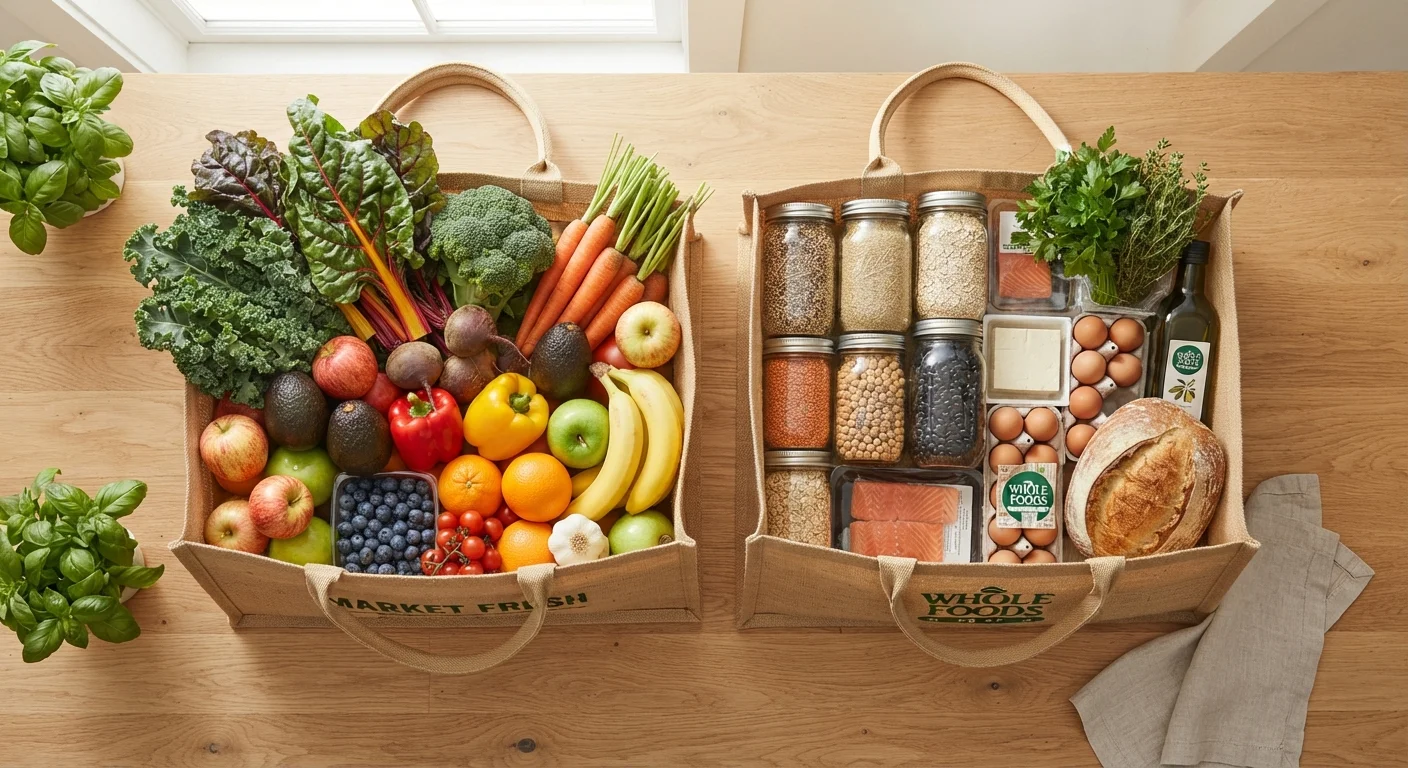
Photo credit: InfoHorizon.net | Access To Informative Content
In this article
A practical shopping checklist organized by food group to help you stock a kitchen that supports varied, nutritious home cooking.
Key Takeaways
- Shopping by food group prevents common nutritional gaps and reduces impulse buying.
- A mix of fresh, frozen, and pantry staples gives you flexibility throughout the week.
- Protein variety — plant and animal sources — supports a more balanced diet overall.
- Stocking healthy fats, whole grains, and dairy or alternatives covers key micronutrient needs.
- A checklist-driven approach to shopping pairs naturally with weekly meal planning.
Why a Structured Shopping List Supports Better Eating
Most nutrition gaps don't happen at the dinner table — they happen at the grocery store. When you shop without a plan, it's easy to load up on a few familiar staples and miss whole food groups entirely. A structured checklist fixes that by anchoring your cart to nutritional categories rather than recipes alone.
This checklist is organized by food group, mirroring the way dietary guidance frameworks — such as those published by the U.S. Department of Agriculture — describe a balanced diet. Working through each category ensures you leave the store with the raw ingredients for varied, nourishing meals all week. It also pairs directly with a weekly meal prep routine so what you buy actually gets used.
Before you head out, check what you already have on hand. Restocking what you need — rather than duplicating what you own — keeps costs down. For more on stretching your grocery budget without sacrificing nutrition, see Eating Well on a Budget.
Reusable grocery bags
Organize purchases by category (produce, cold items, pantry) to make unpacking and storing quicker.
Printed or digital checklist
Carry this checklist into the store so you can tick off food groups as you go and avoid backtracking.
Insulated bag or cooler
Keep proteins and dairy at safe temperatures if your drive home is longer than 30 minutes.
Pantry audit list
Note what you already have before shopping so you don't duplicate perishables or waste money on duplicates.
The Weekly Grocery Checklist, by Food Group
Work through each group below. You don't need every single item — choose what fits your household's size, preferences, and the meals you've planned. The goal is coverage across all categories, not an overflowing cart.
Vegetables
Fruits
Whole Grains
Proteins — Animal Sources
Proteins — Plant Sources
Dairy and Alternatives
Healthy Fats and Pantry Staples
Frozen and canned aren't inferior choices
Frozen vegetables are typically harvested at peak ripeness and frozen quickly, which preserves most of their nutrients. Canned beans and tomatoes are similarly shelf-stable and nutritious — just look for low-sodium or no-salt-added versions when possible. Relying exclusively on fresh produce can lead to more waste and higher costs without meaningful nutritional benefit.
Once your cart reflects all major food groups, you're set up for a week of genuinely varied cooking. Pair this list with a meal planning checklist to connect what you buy to what you'll actually cook. And if you want to understand the specific nutrients behind these food choices, our vitamins and minerals reference is a useful companion.
Balance variety with what you'll actually eat
A nutritionally complete cart means nothing if the food goes unused. Build your checklist around ingredients that overlap across multiple meals — an onion used in three dishes, lentils in a soup and a salad — so fewer items go to waste. Nutritional adequacy and practical usability aren't in conflict; they reinforce each other when you plan with both in mind.
Making This Checklist Work for Your Household
A checklist is only as useful as it is realistic. A household of two doesn't need the same quantities as a family of five, and a busy weeknight cook needs different staples than someone who batch-cooks on Sundays. Adjust quantities based on how many meals you're planning at home versus eating out.
For those cooking on tighter schedules, practical strategies for eating well when time is limited can help you identify which items give you the most flexibility with minimal prep. Pre-washed greens, rotisserie chicken, canned beans, and frozen vegetables are checklist staples that compress cooking time significantly.
Snacks deserve a spot on your list too. Choosing items that combine protein, fiber, and healthy fat — rather than just grabbing whatever is convenient — makes a genuine difference in how satisfied you feel between meals. See what makes a snack actually nourishing for guidance on what to reach for. Finally, treat this checklist as a living document — adjust it week to week based on what you cook, what you waste, and what your household actually enjoys eating.
This article provides general nutrition and grocery-planning information for educational purposes. It is not medical or dietary advice. If you have specific health conditions, food allergies, or nutrient needs, consult a registered dietitian or qualified healthcare provider before making significant changes to your diet.

Author
Food Editorial Team
Food Editorial Team is the collective byline for our editorial team and contributor network. Articles published under this byline or an editorial pen name are researched, written, and reviewed according to our editorial standards for clarity, consistency, and independence before publication.
View all articles →