
Eating Well on a Busy Schedule: Practical Strategies That Hold Up
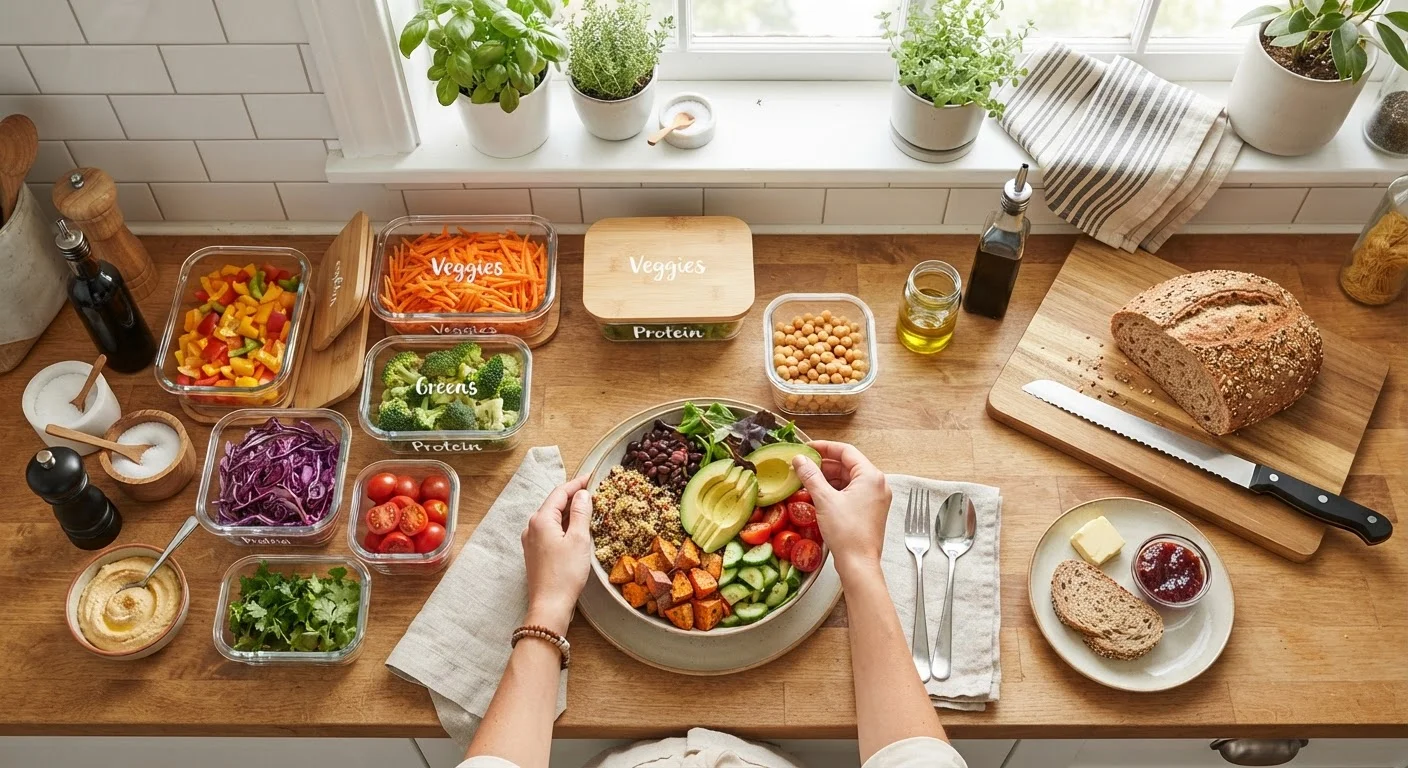
Photo credit: InfoHorizon.net | Access To Informative Content
In this article
Realistic approaches to maintaining a nutritious diet when time is tight, without complicated meal plans.
Key Takeaways
- Batch-cooking a few versatile ingredients once or twice a week dramatically reduces daily decision fatigue around food.
- Keeping a small set of reliable pantry staples makes it possible to assemble balanced meals in minutes.
- Nutritious eating on a tight schedule is about building repeatable systems, not following rigid meal plans.
- Strategic snacking with protein and fiber can prevent energy crashes that lead to poor food choices.
- Small, consistent habits outperform ambitious overhauls that are difficult to sustain long-term.
Why Busy Schedules Undermine Good Nutrition
Most people don't abandon healthy eating out of indifference — they abandon it because the gap between intention and execution grows too wide when time is scarce. Decision fatigue, irregular hours, and the convenience of ultra-processed options all compound the challenge. Understanding these pressure points is the first step toward working around them.
The good news: you don't need a complicated system. Research on dietary patterns consistently shows that consistency and food variety matter more than any single perfect meal. Building a few repeatable habits is far more effective than trying to follow a rigid plan. For a deeper look at how patterns drive long-term outcomes, see research-supported eating behaviors that hold up over time.
Batch-cook two or three versatile protein sources at the start of the week
Having cooked protein on hand — such as roasted chicken, hard-boiled eggs, or cooked legumes — removes the most time-consuming step from daily meal assembly. It also reduces the likelihood of defaulting to fast food when energy is low. Protein variety supports satiety, which helps regulate appetite throughout the day.
Build meals around a reliable plate proportion rather than counting nutrients
Tracking every gram of food is unsustainable for most people under time pressure. A simpler mental framework — filling roughly half your plate with vegetables and fruit, a quarter with whole grains, and a quarter with protein — reliably supports nutritional balance without requiring calculation. This approach is consistent with dietary guidelines used by public health bodies.
Maintain a core pantry of shelf-stable, nutrient-dense staples
A well-stocked pantry acts as a nutritional safety net on days when fresh groceries run low or shopping doesn't happen. Shelf-stable items like canned beans, whole grain pasta, canned fish, nut butters, and oats can form complete, balanced meals without advance planning. This prevents the situation where an empty fridge defaults to takeout.
Designate one brief weekly planning moment rather than deciding meal-by-meal
Daily food decisions compound fatigue, especially when you're already stretched. Spending 10–15 minutes once a week to identify which meals you'll prepare and what needs to be on hand reduces that daily cognitive load significantly. It also creates a natural prompt to shop with a purpose rather than impulse-buying.
Leverage no-cook and minimal-assembly options without guilt
There is no nutritional penalty for assembling rather than cooking. Pre-washed salad greens, rotisserie chicken, canned beans, Greek yogurt, and frozen vegetables are all legitimate components of a nutritious diet. Treating these as tools rather than shortcuts removes unnecessary pressure and keeps the bar for 'eating well' realistic.
Core Strategies That Actually Work
The practices below are grounded in established nutrition guidance and are designed to fit around real-life constraints — not an idealized schedule. Each one reduces the daily effort required to eat reasonably well.
35%
Adults skipping meals due to time pressure
According to surveys on American eating patterns, roughly one in three adults reports regularly skipping meals on busy workdays, increasing vulnerability to energy dips and compensatory overeating later.
~15 min
Average time saved by weekly meal planning
Nutrition researchers have noted that households with a weekly meal plan spend meaningfully less time on daily food decisions and report fewer last-minute takeout purchases.
For a structured approach to planning meals across the week, the Weekly Meal Planning checklist offers a practical framework organized around nutritional balance. And if meal prep has stalled on you before, common reasons meal prep falls apart are worth reviewing before you try again.
Quick Wins You Can Start Today
Sustainable nutrition habits usually begin with one or two small changes rather than a complete overhaul. The actions below require minimal time investment but can meaningfully shift your eating patterns over the coming weeks.
Smart snacking is an underrated lever here. Pairing a protein source with fiber — think a handful of nuts with a piece of fruit — can stabilize energy between meals and reduce the impulse toward high-calorie convenience food. Learn more about what makes a snack genuinely nourishing.
Frozen Vegetables Are Nutritionally Legitimate
Frozen vegetables are typically harvested at peak ripeness and flash-frozen, which preserves most of their vitamins and minerals. They are not nutritionally inferior to fresh produce and are often more convenient and affordable. Keeping a variety of frozen vegetables on hand — spinach, peas, broccoli, corn — means you always have a vegetable option available with zero prep time.
If grocery shopping feels like a bottleneck, a structured shopping checklist organized by food group can cut your store time while ensuring you stock ingredients that support varied, balanced cooking.
This article is for general informational and educational purposes only and is not a substitute for professional medical or dietary advice. Consult a qualified healthcare provider or registered dietitian for guidance tailored to your individual health needs.

Author
Health Editorial Team
Health Editorial Team is the collective byline for our editorial team and contributor network. Articles published under this byline or an editorial pen name are researched, written, and reviewed according to our editorial standards for clarity, consistency, and independence before publication.
View all articles →