
The Beginner's Map to Building a Balanced Plate
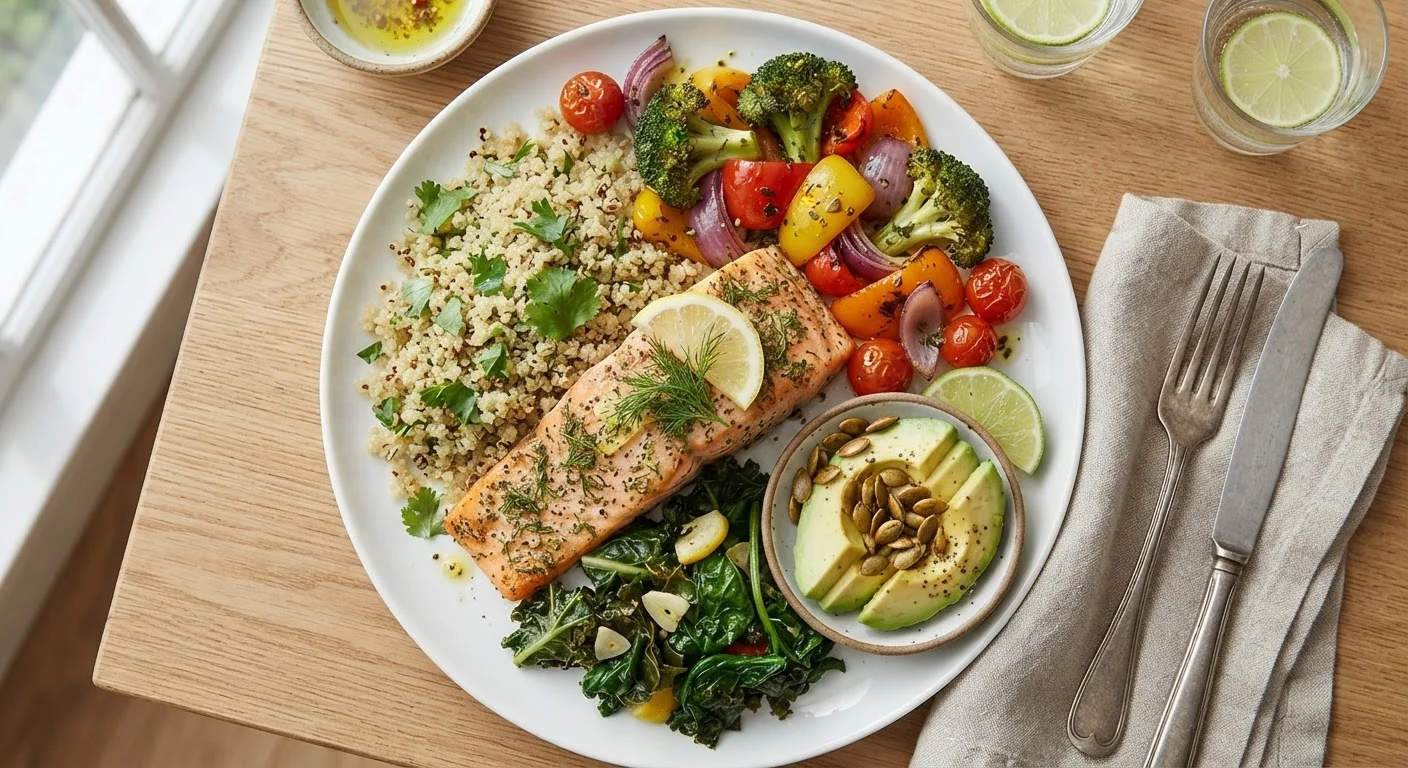
Photo credit: InfoHorizon.net | Access To Informative Content
In this article
A foundational guide to portioning meals with the right mix of food groups for sustained energy and health.
Key Takeaways
- A balanced plate divides food into proportional zones covering vegetables, protein, grains, and healthy fats.
- No single food group should dominate every meal — variety is the backbone of good nutrition.
- Visual portion guides remove the need for obsessive calorie tracking while keeping meals structured.
- Common mistakes include skipping vegetables, over-relying on refined grains, and neglecting healthy fats.
- Meal planning and a well-stocked kitchen make balanced eating significantly easier to sustain.
What Does 'Balanced' Actually Mean?
The word balanced gets used constantly in nutrition conversations, yet it rarely comes with a clear definition. At its core, a balanced plate is one that supplies your body with adequate amounts of the major nutrient categories — carbohydrates for fuel, protein for repair and structure, fats for hormones and cell function, plus the vitamins and minerals that support virtually every biological process.
Balance does not mean equal portions of everything, nor does it mean the same meal every day. It means consistent variety across food groups so that no single nutrient is chronically missing or chronically overrepresented. Explore the nutrition and eating hub for broader context on how these principles fit into everyday healthy eating.
Macronutrients
The three main nutrient categories the body needs in large amounts: carbohydrates, proteins, and fats. Each provides energy and serves distinct biological roles.
Micronutrients
Vitamins and minerals required in smaller amounts that support critical functions like immune defense, bone health, and energy metabolism.
Whole grains
Grains that retain all three parts of the original kernel — bran, germ, and endosperm — providing more fiber and nutrients than refined grains.
Unsaturated fats
A type of dietary fat found in foods like olive oil, avocado, and nuts that is generally associated with heart health when consumed in place of saturated fats.
Plate method
A visual meal-portioning tool that divides a dinner plate into sections for vegetables, protein, and whole grains, with a small allowance for healthy fats.
Nutrient density
A measure of how many beneficial nutrients a food provides relative to its calorie content. Foods like leafy greens and legumes are considered high in nutrient density.
The Four Food Groups on Your Plate
A practical balanced plate centers on four categories:
- Vegetables and fruits: These should occupy the largest share of your plate — roughly half. Non-starchy vegetables like leafy greens, peppers, broccoli, and tomatoes are nutrient-dense and relatively low in calories. Fruits contribute natural sugars alongside fiber, vitamins, and antioxidants.
- Lean proteins: Protein sources — poultry, fish, eggs, legumes, tofu, or low-fat dairy — should fill about one quarter of the plate. Protein supports muscle maintenance, immune function, and satiety between meals.
- Whole grains and starchy vegetables: The remaining quarter works best when filled with fiber-rich carbohydrates: brown rice, quinoa, whole-wheat bread, oats, or starchy vegetables like sweet potato. These provide sustained energy without the blood-sugar spikes linked to refined grains.
- Healthy fats: Fats earn a smaller but essential role — olive oil for cooking, avocado as a topping, or a small handful of nuts on the side. Fat supports vitamin absorption and contributes to meal satisfaction.
For a deeper look at the micronutrients within each group, see the plain-English vitamins and minerals guide.
How to Portion Without Counting Calories
The plate method — sometimes called the healthy eating plate — is a visual framework developed by nutrition researchers to make portioning intuitive. No scale, no app, no arithmetic required. You simply divide a standard dinner plate into zones:
- Half the plate: non-starchy vegetables or a mix of vegetables and fruit.
- One quarter: quality protein.
- One quarter: whole grains or starchy vegetables.
- A thumb-sized portion or light drizzle: healthy fat.
Your hand can serve as a rough guide when a plate is unavailable — a fist approximates one cup of grains or vegetables, and a palm approximates a serving of protein. These are general reference points, not precise prescriptions, and individual needs vary based on age, activity level, and health status.
Use Color as a Quick Nutrition Check
A plate with three or more distinct colors — from different vegetables, grains, and proteins — is a reliable signal of nutrient variety. Different pigments in plant foods correspond to different antioxidants and phytonutrients. It's an easy visual habit that requires no counting.
If you want to apply this framework further upstream, the weekly meal planning checklist can help you map balanced plates across an entire week.
Common Plate-Building Mistakes to Avoid
Even well-intentioned eaters fall into predictable patterns that undercut balance:
- Skimping on vegetables: Protein and grains tend to expand to fill whatever space is available. Deliberately plating vegetables first crowds them into the prominent half they deserve.
- Relying on refined grains: White pasta, white rice, and white bread are not nutritionally equivalent to their whole-grain counterparts. Swapping even one refined grain per day adds meaningful fiber over time.
- Leaving out fat entirely: Fat-phobic eating habits linger from outdated dietary guidance. Healthy unsaturated fats are essential — removing all fat from a meal can actually impair the absorption of fat-soluble vitamins A, D, E, and K.
- Treating protein as optional: Meals built almost entirely from grains and vegetables, without a protein source, tend to leave people hungry sooner and may fall short on essential amino acids over time.
Don't Let 'Healthy' Labels Do the Thinking
Packaged foods labeled 'low-fat,' 'high-protein,' or 'whole grain' can still be processed and nutritionally incomplete. Reading an ingredient list and looking at the full nutrition facts panel gives a more accurate picture than front-of-package claims. Whole, minimally processed foods are a more reliable foundation than reformulated packaged ones.
Putting It Into Practice Every Day
Knowing the framework is step one; building the habit is step two. A few practical moves make consistent balanced eating much easier:
- Stock the right ingredients: A kitchen without vegetables, whole grains, or quality proteins defaults to whatever is convenient. The weekly grocery shopping checklist organizes exactly what to keep on hand by food group.
- Prep components, not just full meals: Cooking a batch of grains and washing vegetables at the start of the week means assembly at mealtime is fast. This overlaps with the kitchen organization concept explored in our mise en place guide.
- Adjust for the meal, not just the day: Breakfast may naturally lean toward fruit and whole grains; dinner toward vegetables and protein. That's fine — balance plays out across the whole day, not every plate in isolation.
If you want to move beyond the basics and build meals by proportion rather than tracking, building a balanced plate without counting every calorie extends these ideas further.
This article is for general informational and educational purposes only and is not a substitute for personalized medical or dietary advice. Consult a registered dietitian or qualified healthcare professional for guidance specific to your health needs.
Frequently Asked Questions

Author
Health Editorial Team
Health Editorial Team is the collective byline for our editorial team and contributor network. Articles published under this byline or an editorial pen name are researched, written, and reviewed according to our editorial standards for clarity, consistency, and independence before publication.
View all articles →