
Solo Travel in America: Building a Safe, Enjoyable Trip from Scratch
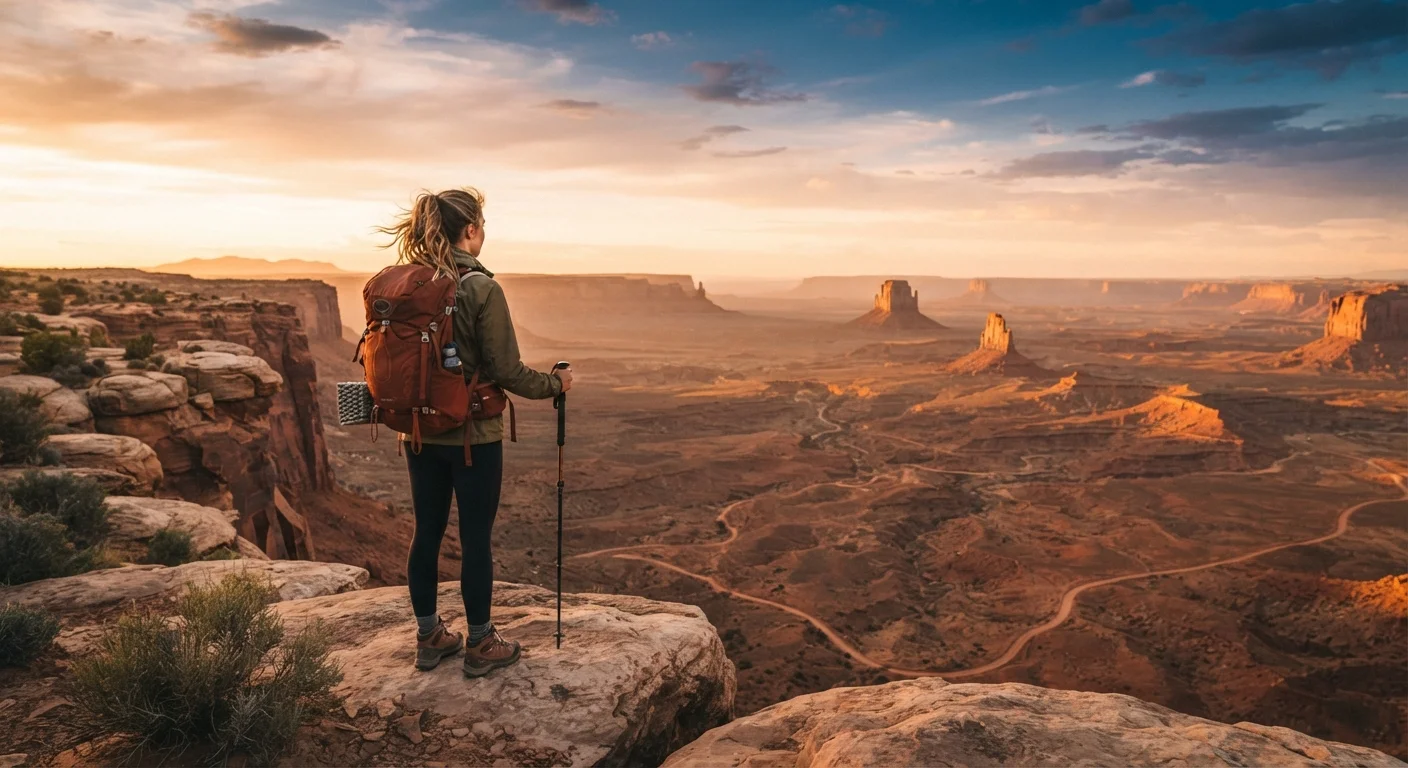
Photo credit: InfoHorizon.net | Access To Informative Content
In this article
A beginner-friendly guide to planning your first solo trip in the U.S. — from choosing a destination to staying connected on the road.
Key Takeaways
- Solo travel across the U.S. is highly accessible for first-timers thanks to widespread infrastructure and English-language support.
- Choosing a destination matched to your experience level reduces anxiety and boosts confidence early on.
- A loose daily framework — not a minute-by-minute schedule — gives you freedom while keeping you on track.
- Sharing your itinerary with a trusted contact is one of the simplest and most effective safety habits.
- Solo travelers face unique financial dynamics; proactive budgeting prevents common money surprises.
Why Solo Travel in America Works for First-Timers
There's something genuinely freeing about a trip built entirely around your own curiosity — no compromises, no waiting, no consensus-building. Solo travel in the United States is a natural starting point for anyone new to traveling independently. The country's vast and varied landscape is served by mature travel infrastructure: interstate highways, domestic flights, Amtrak routes, and an extensive network of well-reviewed accommodations stretch from coast to coast.
English is the dominant language, emergency services are broadly accessible, and travelers are a common sight in most regions. That familiar context lowers the stakes considerably compared to solo international travel. Whether you're drawn to walkable urban neighborhoods, wide-open national parks, or quiet coastal towns, the U.S. has an entry point that fits almost every comfort level.
The real appeal, though, is the pace. Solo travel lets you slow down in places that genuinely interest you and move quickly through those that don't. That kind of flexibility is harder to find in any group trip — and it's yours from day one.
Single supplement
An extra charge applied to solo travelers occupying a room or cabin designed for two people. It's common in hotels and tours and can noticeably increase accommodation costs.
Itinerary anchor
A confirmed, time-specific element of your trip — like a flight, hotel booking, or timed park entry — that the rest of your plans are built around.
Offline maps
Navigation maps downloaded to your phone in advance so they work without a cellular or internet connection, essential in remote or rural areas.
Timed-entry permit
A reservation system used by popular national parks and landmarks that requires visitors to book a specific entry window in advance, rather than showing up any time.
Travel infrastructure
The systems that support travelers — roads, airports, transit networks, accommodations, and emergency services — that make navigating a destination easier and safer.
Choosing a Destination That Fits Your Comfort Level
The single biggest factor in a successful first solo trip isn't budget or logistics — it's destination fit. Choosing somewhere that matches your current confidence level sets the tone for everything that follows.
If you're new to traveling alone, well-connected cities with strong public transit — think Portland, Denver, or Asheville — offer the independence of solo exploration without the isolation of truly remote areas. You're surrounded by services, fellow travelers, and easy navigation tools. For nature lovers, popular national parks like the Great Smoky Mountains or Olympic National Park have clear trail systems, ranger stations, and established visitor infrastructure.
Matching your travel style to the right type of destination is a skill worth developing early — it prevents the mismatch of expecting one kind of trip and experiencing another entirely. Once you've logged a trip or two, lesser-known American destinations offer a rewarding next step with more character and fewer crowds.
Start Closer to Home Than You Think
Your first solo trip doesn't need to be epic — it needs to be confidence-building. A weekend in a nearby city or a two-night stay at a state park gives you the solo travel experience in a low-stakes setting. The lessons you take from a short trip (packing light, navigating alone, eating solo without awkwardness) pay dividends on every longer trip that follows.
Building Your Itinerary: Structure Without Rigidity
A common first-timer mistake is either over-planning (blocking every hour) or under-planning (showing up with no framework at all). The sweet spot is a loose daily structure: confirm your accommodation and transport in advance, identify one or two anchoring activities per day, and leave room for the unexpected.
Start by establishing your trip's anchors — arrival and departure logistics, any reservations that require advance booking (popular hiking permits, ferry tickets, timed-entry monuments), and a broad daily rhythm. Then let the middle fill itself in organically as you go.
If you're considering a road trip component, understanding the anatomy of a well-planned road trip helps you account for all the moving parts — route mapping, overnight stops, and driving windows — before anything catches you off guard. For a focused regional route, planning a first trip through the American Southwest is a strong model to follow.
Staying Safe and Connected on the Road
Safety as a solo traveler is mostly about consistent habits rather than avoiding risk entirely. A few practices go a long way:
- Share your itinerary. Send a trusted friend or family member your accommodation details, key dates, and a loose daily plan. Check in regularly — even a quick text provides important peace of mind for both of you.
- Keep documents backed up. Store digital copies of your ID, insurance cards, and reservation confirmations in a secure cloud folder. Carry a paper backup for critical items.
- Download offline maps. Cell coverage disappears in rural areas, mountain corridors, and many national parks. Google Maps and similar apps allow offline map downloads — do this before you leave Wi-Fi.
- Trust your instincts. If a situation, location, or interaction feels off, exit it. Solo travelers benefit from the freedom to leave without explanation.
For anything safety- or entry-related — including conditions in specific parks or regions — verify current advisories through official government and park service sources before you travel, as conditions change seasonally and sometimes rapidly.
Don't Rely Solely on Cell Service
Large swaths of rural America — including many of the most scenic destinations — have limited or no cellular coverage. Relying on real-time navigation and digital check-ins without a backup plan is one of the most common avoidable mistakes solo travelers make. Download offline maps, carry a paper map for remote routes, and let someone know your expected check-in times before you enter low-coverage zones.
Managing Money When You're Traveling Alone
Solo travel has a distinctive financial profile. Some costs that would otherwise split — accommodation, car rentals, gas — land entirely on you. Others become simpler: you're eating what and when you want, choosing activities purely by interest, and never subsidizing someone else's preferences.
A realistic solo travel budget accounts for the "single supplement" reality in lodging, weighs transportation modes carefully (driving vs. flying vs. Amtrak depending on route), and builds in a buffer for the unplanned. Hostels, guesthouses, and extended-stay options can offset lodging costs significantly compared to standard hotel pricing.
For a deeper look at how traveling alone reshapes your spending — and where it actually gets cheaper — solo travel budgeting has its own logic worth understanding. If this is your first time traveling on a tight budget overall, a practical starting point for first-time budget travelers walks through the core planning framework. More strategies are also available across the Travel on a Budget hub.
One consistent rule: carry some backup cash. Card readers fail, rural areas run cash-only, and a small emergency fund kept separate from your main wallet covers gaps that digital payments can't.
Frequently Asked Questions

Author
Travel Editorial Team
Travel Editorial Team is the collective byline for our editorial team and contributor network. Articles published under this byline or an editorial pen name are researched, written, and reviewed according to our editorial standards for clarity, consistency, and independence before publication.
View all articles →