
Your First Budget Trip: A Practical Starting Point for New Travelers
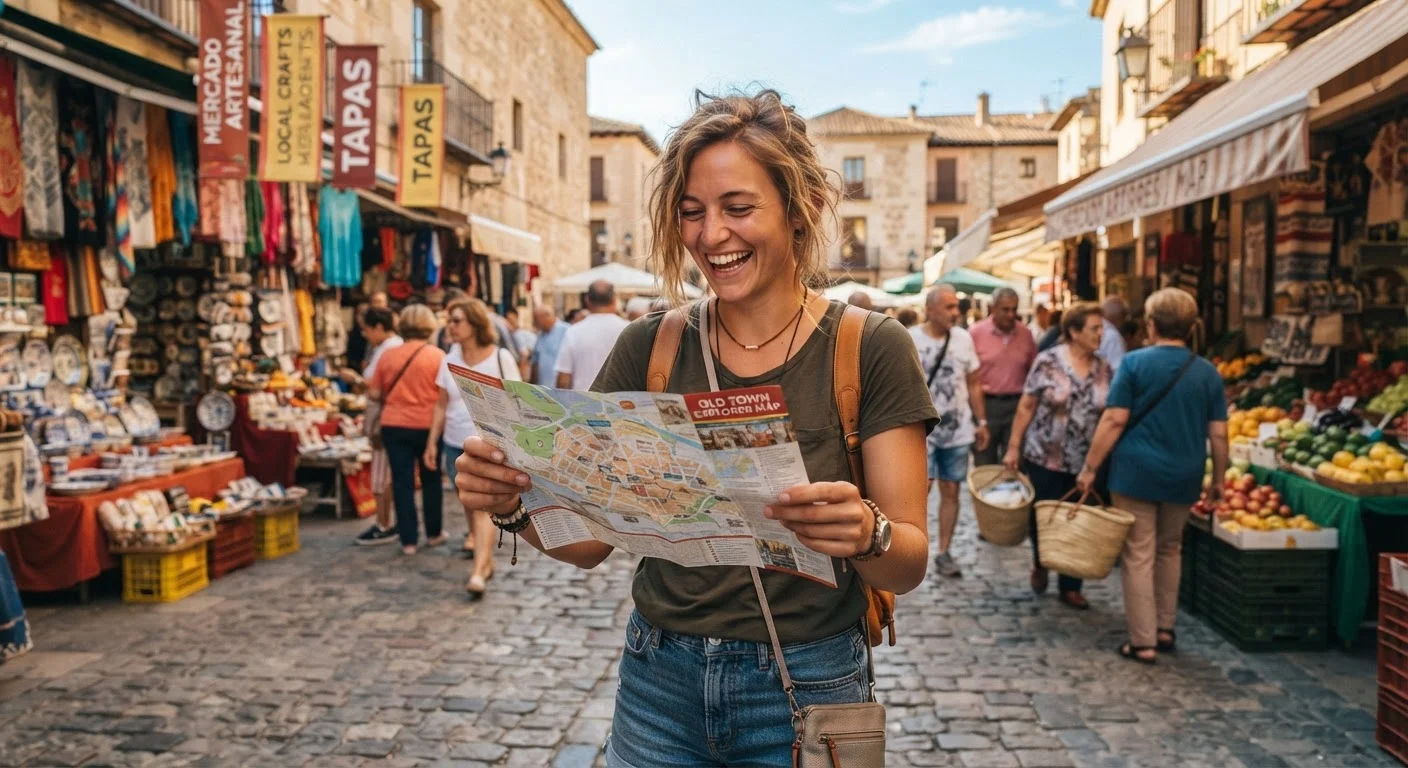
Photo credit: InfoHorizon.net | Access To Informative Content
In this article
Never traveled on a tight budget before? This beginner-friendly guide walks through planning, booking, and managing money on your first affordable trip.
Key Takeaways
- Set a concrete total trip budget before booking anything — it anchors every decision that follows.
- Destination choice is the single biggest lever on overall trip cost.
- Flexibility with travel dates and accommodation type can unlock significant savings.
- Tracking daily spending while traveling prevents budget blowouts.
- Free and low-cost activities can make a trip memorable without adding financial stress.
Set a Realistic Travel Budget Before Anything Else
Before you search a single flight, the most powerful thing you can do is decide how much you can actually spend — total, not just on airfare. A travel budget covers six core categories: transportation to and from your destination, accommodation, local transport, food, activities, and a contingency reserve of roughly 10–15% for surprises.
Start with what you have saved, then subtract what you'll need to keep in reserve for everyday life. Whatever's left is your ceiling. If you're new to the budgeting side of travel, the personal budgeting fundamentals covered in our finance section give a clear framework for working out those numbers.
Build Your Per-Day Number Early
Divide your total non-transport budget by the number of travel days to get a daily allowance. This single number makes every on-trip decision — restaurant choice, museum entry, taxi vs. bus — instantly easier to evaluate. Adjust it up or down as you go based on actual spending.
Once you have a total figure, break it into a rough daily spending allowance. Divide your post-transport budget by the number of trip days. That per-day number becomes your gut-check throughout the planning process — and while you're traveling.
Choose a Destination That Works With Your Budget
Destination choice is the most powerful cost lever available to you. A weekend trip to an expensive coastal city can cost more than a full week in a mid-sized inland destination. When evaluating options, look beyond the flight price to the on-the-ground cost of living: accommodation rates, average meal prices, and whether major sights charge admission.
Domestic road trips are often a strong fit for first-time budget travelers — no passport, no foreign currency, and total flexibility. Our guide on planning a first road trip across the American Southwest shows how a well-mapped drive can be both affordable and genuinely adventurous.
Travel budget
A pre-set total spending limit for a trip, broken into categories like transport, accommodation, food, and activities. It's the financial plan that guides every booking decision.
Contingency reserve
A set-aside portion of your travel budget — typically 10–15% — held back for unexpected costs like delays, medical needs, or unplanned transport.
Cost of living
How expensive everyday goods and services are in a given destination. A place with a lower cost of living means your dollars stretch further once you arrive.
No-foreign-transaction-fee card
A credit or debit card that doesn't charge an extra fee (usually 1–3%) when you make purchases in a foreign currency or outside the US.
Daily spending allowance
Your on-the-ground budget divided by the number of trip days, giving you a per-day target to keep spending on track while traveling.
If you're considering a high-profile destination like Hawaii, go in with realistic expectations — some islands are significantly pricier than others. Our breakdown of what to realistically expect before booking a Hawaii trip is worth a read before you commit.
Book Smart: Flights, Accommodation, and Transport
Flights usually represent the largest single expense on any trip. Flying midweek, choosing less-congested airports, and building in flexibility around your travel dates are all practical ways to find lower fares. Avoid booking too far out (prices often drop as inventory fills) or too last-minute (reliable deals are hard to count on).
For accommodation, consider the full picture beyond the nightly rate: location relative to where you'll spend time, what's included (breakfast, parking, kitchen access), and cancellation terms. Hostels with private rooms, budget motels slightly outside city centers, and rooms in shared vacation rentals are all worth comparing.
Local transport adds up faster than most first-timers expect. Look into day passes or multi-day transit cards before assuming a rideshare will be cheaper. Walking or cycling between sights is often both free and a genuinely better travel experience.
For a thorough checklist covering every booking stage, see our pre-trip checklist for budget-minded travelers.
Manage Your Money on the Road
The gap between what people plan to spend and what they actually spend is almost always widest in two areas: food and spontaneous purchases. A simple daily tracking habit — even just jotting amounts in your phone's notes app — closes that gap fast.
Before you leave, notify your bank and any card providers of your travel dates and destination. Carry a mix of payment methods: a debit card with low or no foreign ATM fees, a credit card with no foreign transaction fees, and some local cash for markets and small vendors. If you're going solo, our guide to solo travel finances explains the specific money dynamics that shift when you're traveling alone.
Don't Skip the Financial Buffer
Traveling with zero financial cushion is genuinely risky. A missed connection, a minor health issue, or a lost item can create unexpected costs that derail the rest of your trip. Always keep a contingency reserve — in a separate account if possible — that you treat as untouchable until a real emergency calls for it.
Free and Low-Cost Activities Worth Seeking Out
Some of the most memorable travel experiences cost nothing. National parks, public markets, neighborhood walking tours, free museum days, waterfront areas, and local festivals are staples of affordable travel itineraries across both the US and abroad. Research your destination's free offerings before you arrive rather than improvising on the ground — you'll discover events and access periods that aren't obvious from tourist-facing websites.
Eating strategically amplifies your activity budget. Lunch specials at restaurants that are too expensive for dinner, grocery store picnics in scenic spots, and food hall meals are all reliable budget moves. Avoiding tourist-trap blocks near major attractions saves money without sacrificing quality.
For a deeper playbook on stretching every dollar across the whole trip arc, the full guide to traveling more while spending less covers every stage from planning through arrival. Your first budget trip doesn't need to be a sacrifice — it just needs a plan.
Frequently Asked Questions

Author
Travel Editorial Team
Travel Editorial Team is the collective byline for our editorial team and contributor network. Articles published under this byline or an editorial pen name are researched, written, and reviewed according to our editorial standards for clarity, consistency, and independence before publication.
View all articles →