
Soil pH Explained: What It Means for Your Plants and How to Test It
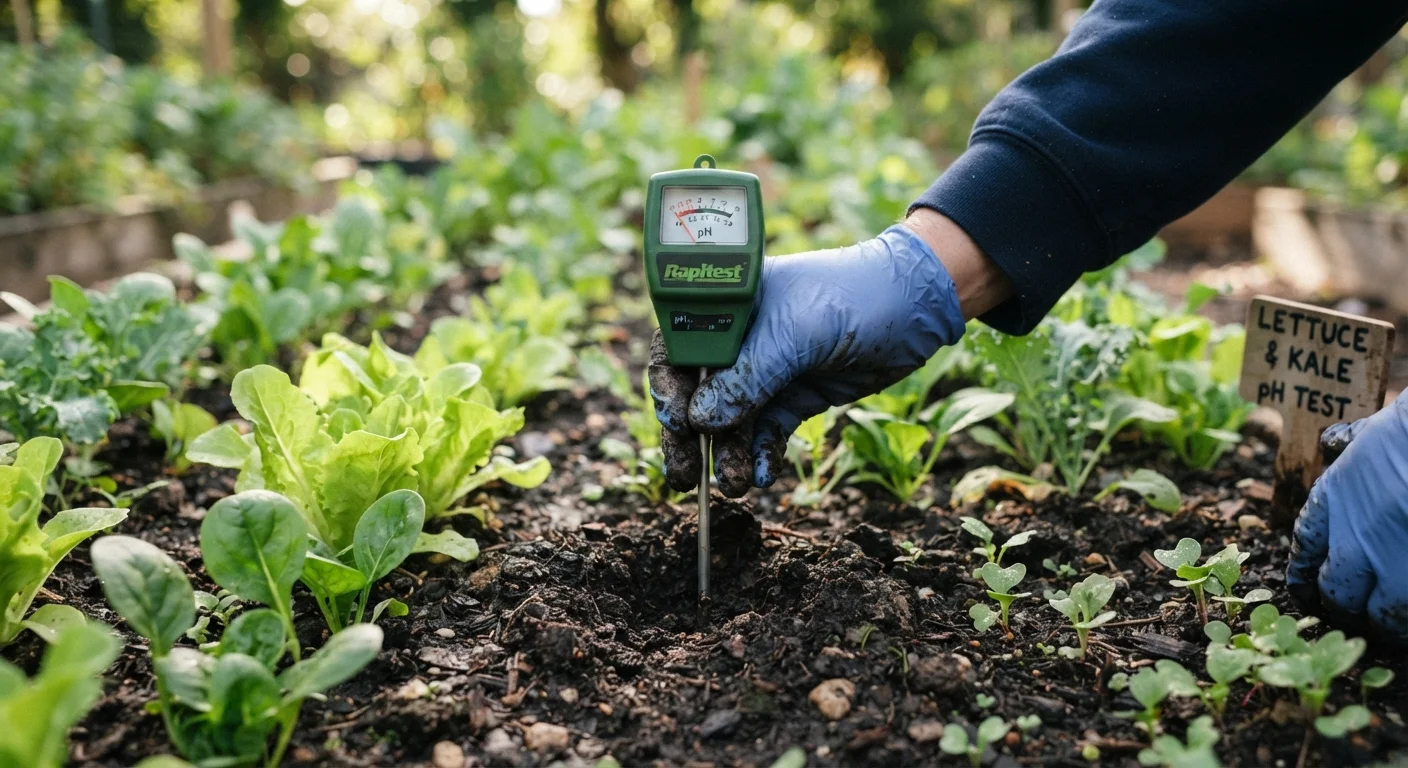
Photo credit: InfoHorizon.net | Access To Informative Content
In this article
Soil pH affects nutrient availability for every plant you grow. Learn what pH levels mean, how to test your soil, and how to adjust it safely.
Key Takeaways
- Soil pH directly controls how well plants can absorb essential nutrients from the soil.
- Most vegetables and flowers thrive in a slightly acidic range between 6.0 and 7.0.
- Inexpensive test kits and digital meters make it easy to measure your soil's pH at home.
- Lime raises pH in acidic soil; sulfur or acidifying fertilizers lower pH in alkaline soil.
- Testing soil before planting — and periodically throughout the season — leads to better results.
Why Soil pH Matters More Than You Think
You can add the best compost and fertilizer available, but if your soil pH is off, your plants may still struggle. That's because pH controls nutrient availability — the degree to which plant roots can actually absorb the minerals present in the soil.
In highly acidic soil (below pH 6.0), nutrients like phosphorus become locked up and unavailable, while metals such as aluminum and manganese can reach toxic levels. In overly alkaline soil (above pH 7.5), iron, manganese, and zinc become scarce, leading to yellowing leaves and stunted growth — even when those nutrients are physically present in the ground.
Think of pH as the key that unlocks the nutritional pantry already in your soil. Getting it right means your plants spend their energy growing, not struggling.
6.0–7.0
Ideal pH range for most vegetable gardens
According to the University of Minnesota Extension, the majority of garden vegetables absorb nutrients most efficiently within this slightly acidic range.
10x
Acidity change per pH unit on the scale
Each step on the pH scale represents a tenfold difference in acidity, meaning a soil at pH 5.0 is ten times more acidic than one at pH 6.0.
~$15
Typical cost of a basic home soil test kit
Home test kits sold at garden centers generally range from around $10 to $20 and provide reliable readings for routine gardening decisions.
The pH Scale and Where Your Plants Fit
The pH scale runs from 0 (extremely acidic) to 14 (extremely alkaline), with 7.0 as neutral. Here's a practical breakdown for common garden plants:
- 4.5–5.5: Blueberries, azaleas, rhododendrons, and other acid-loving plants
- 5.5–6.5: Potatoes, strawberries, most conifers
- 6.0–6.8: Tomatoes, peppers, lettuce, beans, and the majority of vegetables
- 6.5–7.0: Lawns, roses, many perennial flowers
- 7.0–7.5: Asparagus, beets, and some ornamentals
Matching plants to their preferred pH range is just as important as matching them to the right sunlight and hardiness zone. For a broader look at how soil type, sun exposure, and climate zones interact, see our quick-reference planting guide.
How to Test Your Soil pH at Home
Testing soil pH is straightforward and doesn't require lab equipment. Here are the most common methods:
Inexpensive Test Kits
These kits — available at most garden centers — use a small soil sample mixed with a testing solution. The liquid changes color, and you match it to a chart to find your pH reading. They're affordable and perfectly adequate for most home gardens.
Digital pH Meters
A probe-style digital meter gives a faster, more precise reading. Moisten the soil slightly, insert the probe, and read the display. Calibrate it periodically for accuracy.
Extension Office Soil Testing
Many U.S. Cooperative Extension offices offer low-cost soil tests. These are the most thorough option — they typically report not just pH, but also nutrient levels and amendment recommendations tailored to your area.
Test in Fall for Spring-Ready Soil
Testing your soil in the fall gives you time to apply amendments over winter, so pH adjustments are fully absorbed by the time planting season arrives. This approach leads to better results than scrambling to amend soil right before planting.
How to Take a Good Soil Sample
For accurate results, collect soil from several spots in the same bed, dig down about 4 to 6 inches, and mix the samples together before testing. Avoid spots near compost piles or recently fertilized areas, as these can skew readings.
How to Adjust Soil pH
Once you know your soil's pH, you can amend it if needed. Changes happen gradually, so patience — and retesting — are essential.
Raising pH (Making Soil Less Acidic)
Garden lime — either ground limestone or dolomitic lime — is the standard amendment. Work it into the soil in fall so it has time to react before spring. The amount you need depends on your current pH, your target pH, and your soil type; your extension office's soil test report will often include specific quantities.
Lowering pH (Making Soil More Acidic)
Elemental sulfur is the most reliable option for lowering pH. Soil bacteria convert it to sulfuric acid over several weeks. Acidifying fertilizers containing ammonium sulfate can also help over time. Adding organic matter like pine bark mulch or peat moss provides a modest acidifying effect as well.
Go Slow With pH Amendments
Avoid making large pH swings in a single season. Dramatic changes can stress beneficial soil microbes and existing plants. Aim to shift pH by no more than one unit per year, and always retest before adding more amendments.
Avoid making large pH swings in a single season. Dramatic changes can stress soil microbes and existing plants. Aim to adjust by no more than one pH unit per year, and retest before adding more amendments.
Frequently Asked Questions

Author
Home & Garden Editorial Team
Home & Garden Editorial Team is the collective byline for our editorial team and contributor network. Articles published under this byline or an editorial pen name are researched, written, and reviewed according to our editorial standards for clarity, consistency, and independence before publication.
View all articles →