
Seasonal Car Care: Preparing Your Vehicle for Weather Changes
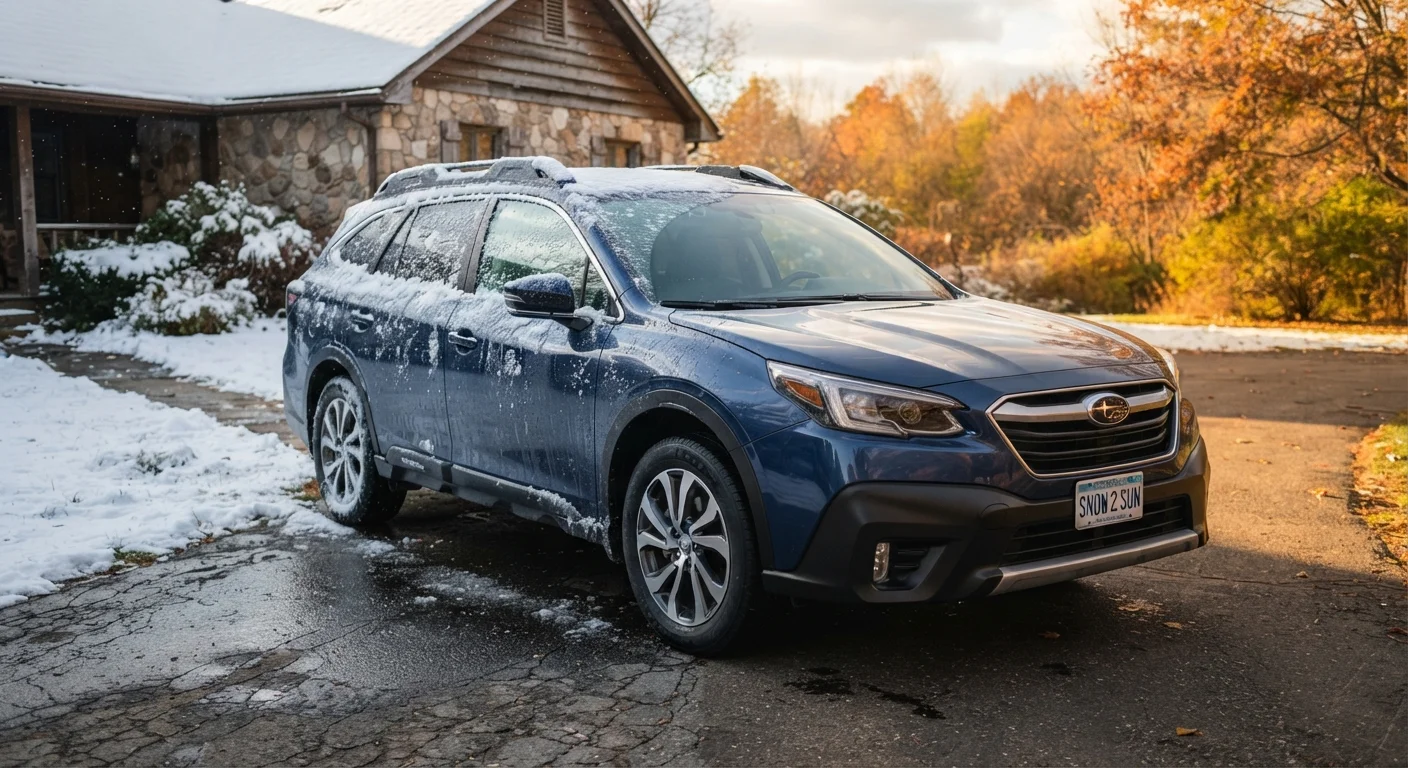
Photo credit: InfoHorizon.net | Access To Informative Content
In this article
From summer heat to winter cold, here's how each season affects your car and what maintenance tasks to prioritize.
Key Takeaways
- Each season creates specific stresses on tires, batteries, fluids, and visibility systems.
- Proactive seasonal checks prevent breakdowns and extend the life of your vehicle.
- Batteries and tires are the most season-sensitive components and need the most attention.
- Winter and summer demand the most preparation; spring and fall are ideal for transition audits.
- Most seasonal checks can be completed at home with basic tools in under an hour.
Why Seasonal Maintenance Matters
Temperature swings, road salt, UV exposure, and precipitation don't just affect how you drive - they wear on your vehicle in very specific ways. A car that's ready for July heat may be ill-prepared for January cold, and vice versa. Staying ahead of these transitions is one of the most effective things you can do to avoid unexpected repair bills and roadside situations.
This checklist walks through the key maintenance priorities for each season. Whether you're a seasoned driver or just starting out, it pairs well with our guide to building good maintenance habits for new drivers. Run through the appropriate section before each season begins - it takes less time than you'd expect and pays off all year long.
Tire pressure gauge
Measures tire PSI so you can adjust inflation as temperatures change each season.
Coolant/antifreeze tester
Checks the freeze-protection level of your coolant before winter temperatures arrive.
Battery tester or multimeter
Measures battery voltage to assess whether the battery can handle seasonal cold-start demands.
Tread depth gauge
Verifies tire tread depth remains safe before and after each winter season.
Winter emergency kit
Keeps you prepared if you're stranded in cold or severe weather between service intervals.
Seasonal Maintenance Checklist
Use the groups below to target the right checks at the right time of year. Items marked must are non-negotiable for safety and reliability. Should items are strongly recommended, and nice-to-have items add convenience or extend component life. For a broader annual view, see the annual car maintenance audit checklist.
Spring Transition
Summer Readiness
Fall Preparation
Winter Readiness
When to See a Qualified Mechanic
Several seasonal checks - including brake inspections, cooling system pressure tests, and AC refrigerant service - require professional tools and expertise to do safely and accurately. Do not attempt to open a pressurized cooling system on a hot engine, and do not handle refrigerant without proper certification. If you're unsure about any component's condition, have it evaluated by a licensed technician before the season changes.
Changing weather also affects how your car handles on the road. Once your vehicle is mechanically prepared, review how to adjust your driving style with our guide on driving safely in rain, ice, snow, and fog.
Battery and Tires: Your Most Season-Sensitive Components
Of all the systems on your car, the battery and tires respond most dramatically to temperature changes. Cold weather reduces a battery's cranking power significantly - a battery that performs adequately in fall may fail to start your car on a frigid January morning. Heat, on the other hand, accelerates internal battery degradation over time. Our car battery basics guide covers what to watch for as a battery ages.
Tires lose approximately 1 PSI of pressure for every 10°F drop in temperature. Under-inflated tires reduce fuel efficiency, handling precision, and tread life. If you live in a region with harsh winters, dedicated winter tires provide substantially better grip than all-season tires in snow and ice - the rubber compound stays pliable at low temperatures when all-season compounds harden. Always have tires inspected by a qualified technician if you're unsure about tread depth or condition.
Never Ignore Low Tire Pressure in Winter
Driving on significantly under-inflated tires in cold weather dramatically increases the risk of a blowout and reduces your ability to steer and brake effectively. Check pressure with a gauge - not just a visual look - since tires can appear normal even when well below the recommended PSI. Refer to the sticker on your driver's door jamb for the correct inflation specification for your vehicle, not the maximum pressure printed on the tire sidewall.
Don't overlook less obvious maintenance needs that are still sensitive to seasonal stress. Easily overlooked tasks like cabin air filter changes and fluid top-offs become especially important when your vehicle is working harder against extreme temperatures. A quick seasonal audit - paired with professional guidance when needed - keeps all these systems working together reliably.

Author
Cars Editorial Team
Cars Editorial Team is the collective byline for our editorial team and contributor network. Articles published under this byline or an editorial pen name are researched, written, and reviewed according to our editorial standards for clarity, consistency, and independence before publication.
View all articles →