
Why Meal Prepping Fails — and How to Make It Stick
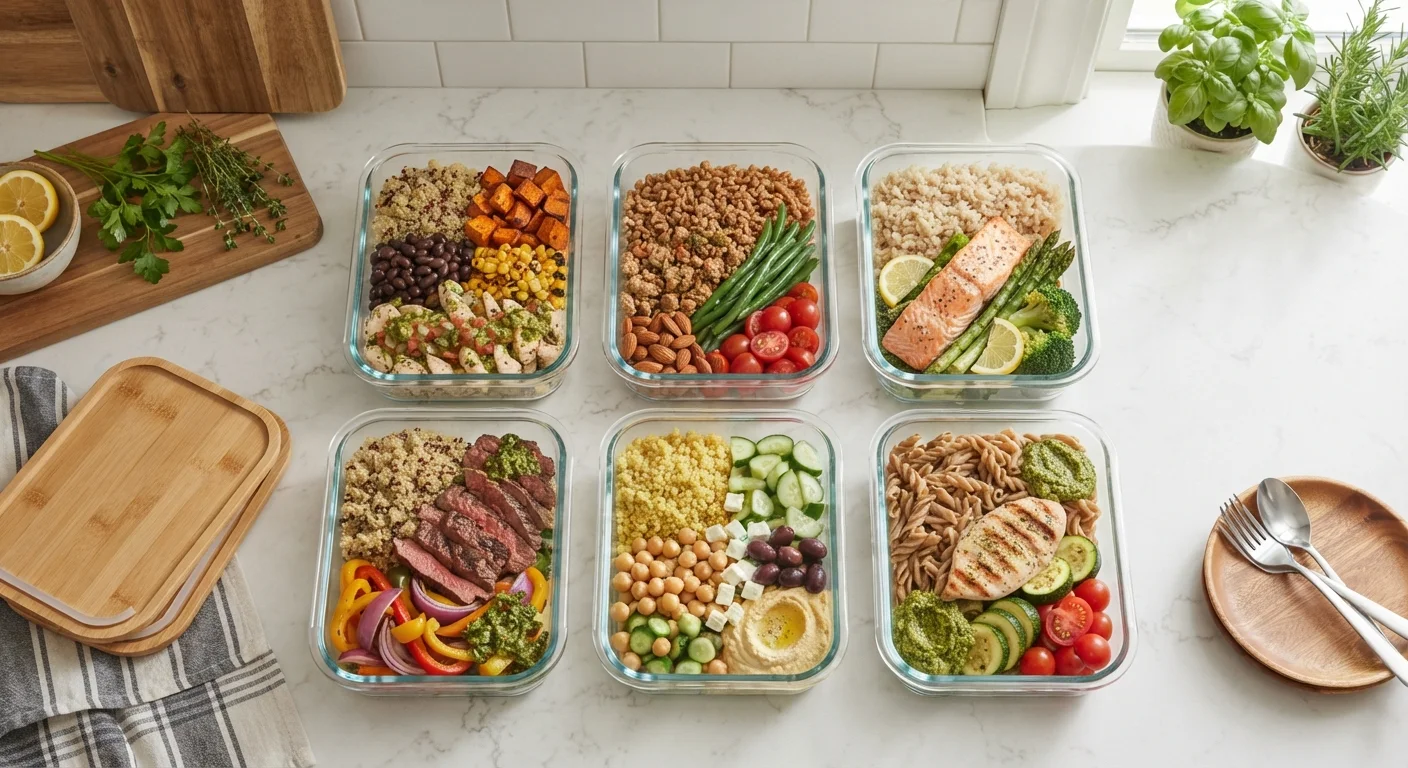
Photo credit: InfoHorizon.net | Access To Informative Content
Common reasons weekly meal prep falls apart, and adjustments that make the habit realistic for busy households.
Key Takeaways
- Overambitious first sessions are the most common reason meal prep gets abandoned after one try.
- Prepping components — not finished meals — gives you flexibility without sacrificing convenience.
- Storage missteps cause food waste that makes the whole effort feel pointless.
- Matching prep to your actual weekly schedule, not an ideal one, is what makes the habit stick.
Why Good Intentions Aren't Enough
Meal prepping has a high dropout rate — not because people lack motivation, but because the approach most beginners take sets them up to fail. The gap between a beautifully photographed prep session and what actually happens in a real kitchen on a Sunday afternoon is wide. Understanding where things go wrong is the fastest route to making prep a durable habit rather than a recurring resolution.
The mistakes below aren't about laziness or lack of skill. They're structural problems with how most people approach prep — and each one has a practical fix. For a full planning framework to complement these adjustments, see building a weekly meal prep routine that holds up.
Trying to prep every meal for the entire week on the first attempt.
Why it happens: Motivated beginners often see aspirational prep photos online and assume more prep equals more success. The time and energy required quickly overwhelm a first-timer.
Cooking full, plated meals instead of flexible building blocks.
Why it happens: The instinct is to cook dinner five times in advance, but finished meals go stale faster and offer no variety, which leads to flavor fatigue by Wednesday.
Ignoring proper storage, leading to food that spoils or turns unappetizing mid-week.
Why it happens: Many people treat all prepped food the same, not realizing that different foods have different fridge lives and that moisture management matters greatly.
Planning meals that don't match real weekly eating patterns.
Why it happens: Prep plans often reflect an ideal week — eating at home every night — rather than the actual week, which includes takeout nights, long workdays, and social meals.
Skipping the cleanup plan, which makes next week's session feel daunting.
Why it happens: After a long prep session, cleaning up feels like extra punishment. Skipping it means a messy kitchen greets you next time, raising the psychological barrier to doing it again.
Building a Prep Habit That Actually Lasts
The common thread running through every mistake above is misalignment: between ambition and capacity, between prepped food and how it gets used, between the ideal week and the real one. Fixing that misalignment doesn't require discipline — it requires better design.
3–4 days
Safe fridge life for most cooked proteins and grains
The USDA advises that most cooked foods stored at or below 40°F remain safe and good quality for three to four days.
~1 hour
Effective weekly prep time for beginners
Nutrition and behavior researchers generally find that shorter, consistent habits form more reliably than long, infrequent efforts.
Think of your first few prep sessions as experiments, not commitments. Try prepping just one category of food — say, grains for the week — and see how much it actually helps before adding more. If you find yourself throwing away prepped food at the end of the week, that's information: you prepped too much, or the wrong things. Adjust and try again.
For a broader look at eating well when time is short, practical strategies for eating well on a busy schedule covers approaches that don't rely on a perfect prep day. And once your prep routine is running smoothly, a weekly meal planning checklist for nutritional balance can help you make sure your meals are covering the nutritional bases that matter most.
Don't Let Perfect Be the Enemy of Done
Aiming for a Pinterest-worthy spread of matching containers and perfectly portioned meals every week is a recipe for burnout. Real meal prep is messier and less consistent — and that's fine. A half-done prep session still saves time and reduces stress compared to no prep at all. Give yourself permission to do less than the ideal version.
The goal isn't a perfect prep session — it's a sustainable one. Even prepping a single item consistently each week delivers real value: less decision fatigue, fewer impulse food choices, and more control over what you eat. Start smaller than feels necessary, and let the habit grow from there.

Author
Food Editorial Team
Food Editorial Team is the collective byline for our editorial team and contributor network. Articles published under this byline or an editorial pen name are researched, written, and reviewed according to our editorial standards for clarity, consistency, and independence before publication.
View all articles →