
Navigating Construction Zones Without Adding to the Statistics
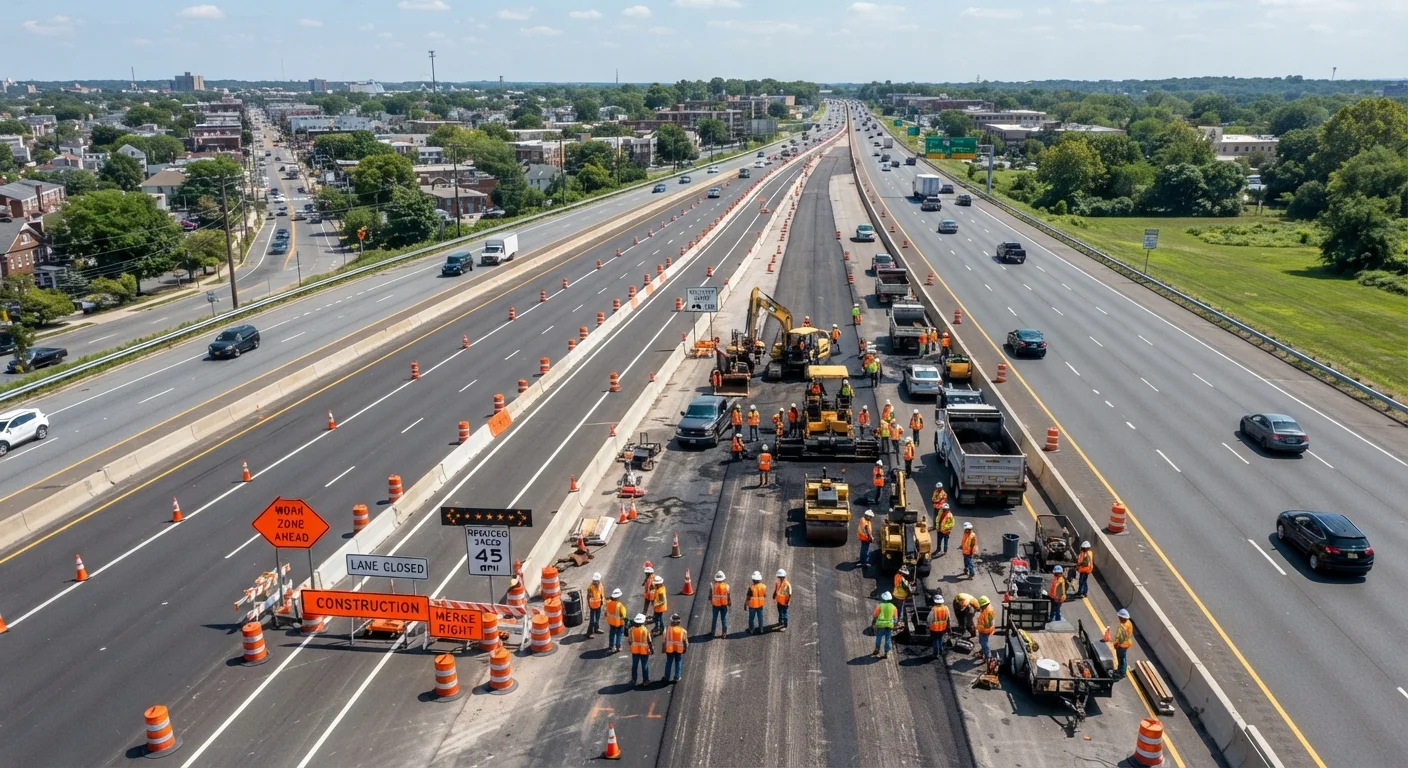
Photo credit: InfoHorizon.net | Access To Informative Content
In this article
Work zones account for a significant share of highway fatalities each year. Learn the rules, common dangers, and attentive habits that protect everyone inside them.
Key Takeaways
- Construction zone speed limits carry doubled fines in most U.S. states - and for good reason.
- Rear-end collisions are the most common crash type in work zones, often caused by following too closely.
- Worker presence dramatically increases the legal and moral stakes of inattentive driving.
- Merging early and predictably reduces the accordion effect that causes chain-reaction crashes.
- Eliminating in-cab distractions before entering a work zone is a simple habit with significant impact.
Why Work Zones Demand a Different Mindset
Construction zones are among the most unpredictable environments drivers encounter. Lane configurations shift without warning, speed limits drop suddenly, pavement surfaces change, and workers operate just feet from live traffic. According to the Federal Highway Administration, thousands of crashes occur in work zones annually, injuring workers and motorists alike.
The challenge is that most drivers treat work zones as minor inconveniences rather than genuinely elevated-risk environments. Traveling through one at highway speed while following closely and glancing at a phone is a combination that has proven fatal, repeatedly. A defensive driving mindset - anticipating hazards before they materialize - is the foundation for navigating these zones safely.
857
Work zone fatalities in a recent year (U.S.)
The Federal Highway Administration reports that work zone fatalities have remained in the hundreds annually, with most victims being vehicle occupants rather than workers.
2x
Fine multiplier for speeding in most work zones
Most U.S. states enforce doubled or tripled fines for speed violations in active construction zones, particularly when workers are present.
The Most Common Hazards Inside Work Zones
Understanding what typically goes wrong helps drivers stay alert to the right threats. The predominant crash types in construction zones include:
- Rear-end collisions: Traffic decelerates faster than following drivers expect. The danger of tailgating is amplified here because stopping distances are shorter and reaction time requirements are greater.
- Sideswipe crashes: Narrowed lanes and shifted alignments push vehicles outside their normal comfort zones. Drivers misjudge clearance, especially in wider vehicles.
- Work vehicle intrusions: Construction equipment and support vehicles enter and exit the roadway at unexpected points.
- Surface hazards: Uneven pavement, loose gravel, steel plates, and rumble strips all affect vehicle handling in ways that surprise inattentive drivers.
Many of these hazards compound one another. A pothole mid-lane while following too closely with a distracted driver behind you is not a scenario with comfortable margins.
Active vs. Non-Active Work Zones
Reduced speed limits and heightened caution apply even when workers are not visibly present. Equipment, altered lane geometry, and uneven surfaces remain hazardous around the clock. Many states enforce work zone speed limits 24 hours a day regardless of worker presence, so slowing down is always appropriate once you enter posted boundaries.
Best Practices Every Driver Should Follow
The following practices are grounded in established traffic safety guidance and address the most frequent causes of work zone crashes.
Reduce speed before the posted work zone limit, not at it.
Work zone speed signs mark where the limit applies, not where you should begin braking. Approaching the transition at full highway speed and then rapidly decelerating contributes directly to rear-end collisions and creates a ripple effect through traffic behind you.
Increase your following distance to at least four seconds in active work zones.
Stopped or slow-moving lead vehicles are common in construction zones, and braking surfaces may be compromised by loose material or uneven pavement. Standard following distances are insufficient when the environment changes this quickly.
Merge early using the zipper merge only where signage directs it.
Premature merging from a closing lane can create long backups that push stopped traffic into higher-speed zones. However, cutting across to merge late without coordination causes equally dangerous sideswipes. Follow posted guidance; in states that direct late zipper merging, take turns cooperatively at the merge point.
Eliminate all non-driving tasks before entering a work zone.
The cognitive and physical demands inside a construction zone are substantially higher than on an open road. Any divided attention - adjusting a playlist, eating, or checking a notification - reduces your ability to respond to sudden changes in lane position, worker proximity, or equipment movement.
Watch for flaggers and treat their signals as legally binding.
Flagger instructions carry the same legal weight as posted signs and traffic signals. Ignoring or second-guessing a flagger - who has sight lines you don't - is both illegal in most jurisdictions and directly dangerous to workers.
Quick Actions You Can Take on Every Drive
Safety habits only work when they're applied consistently. The steps below require no special knowledge - only deliberate attention.
For a broader look at how distraction shapes risk well beyond construction zones, see our article on distracted driving habits drivers overlook. And if you regularly transition between city streets and interstate work zones, understanding how attention demands shift between environments will sharpen your approach in both.

Author
Cars Editorial Team
Cars Editorial Team is the collective byline for our editorial team and contributor network. Articles published under this byline or an editorial pen name are researched, written, and reviewed according to our editorial standards for clarity, consistency, and independence before publication.
View all articles →