
Defensive Driving: What It Actually Means on Today's Roads
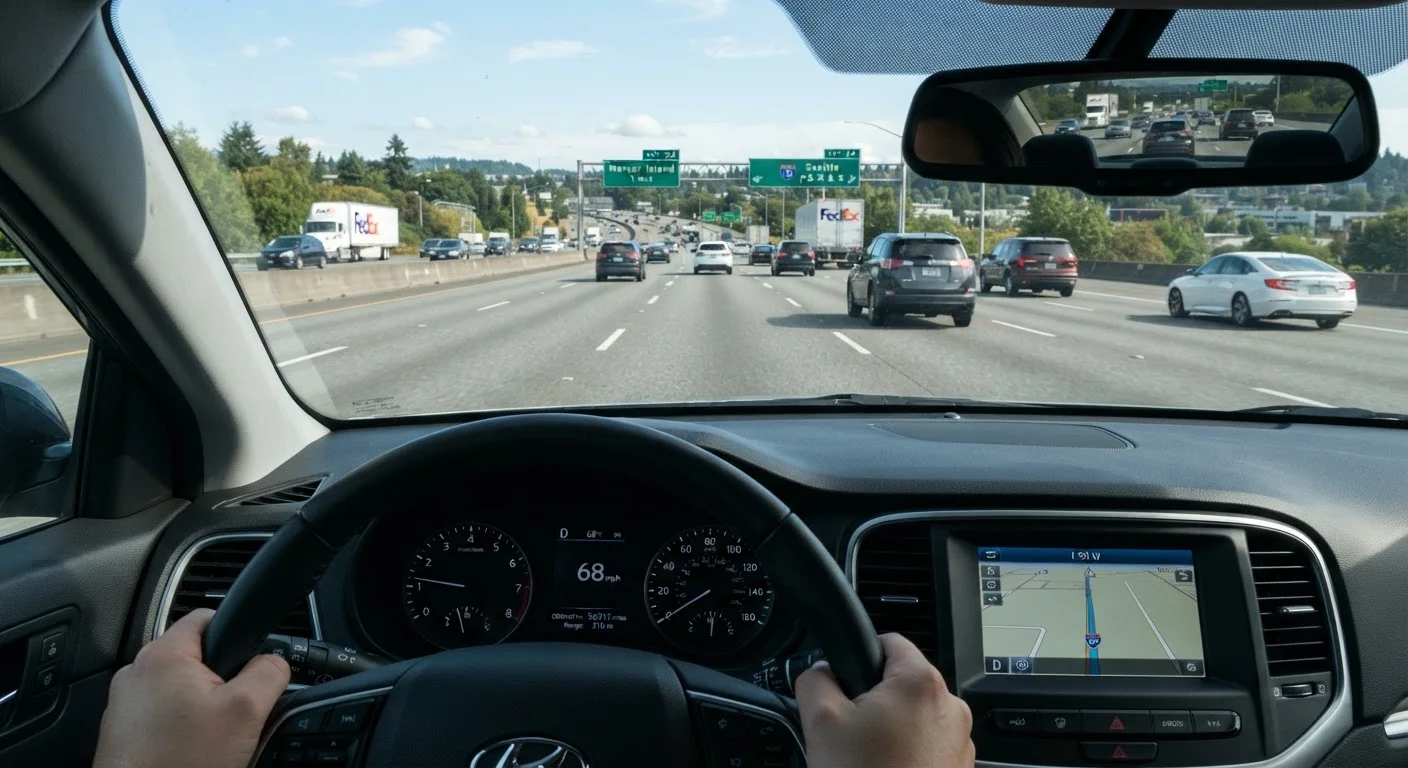
Photo credit: InfoHorizon.net | Access To Informative Content
In this article
Defensive driving goes beyond caution. Understand the core principles that help drivers anticipate hazards before they become emergencies.
Key Takeaways
- Defensive driving means anticipating hazards before they become emergencies, not just reacting to them.
- Maintaining a following distance of at least three seconds is one of the most effective safety habits a driver can build.
- Scanning mirrors every five to eight seconds and checking blind spots before lane changes are foundational skills.
- Fatigue, distraction, and overconfidence are the habits most likely to erode defensive driving over time.
- Aggressive drivers and road rage situations require deliberate de-escalation, not retaliation.
What Defensive Driving Actually Means
Most drivers think of themselves as careful - but careful and defensive aren't the same thing. Defensive driving is a structured mindset: the practice of anticipating potential hazards and positioning yourself to avoid them before they escalate into emergencies. It assumes that other drivers, pedestrians, and road conditions will behave unpredictably, and it builds responses to that unpredictability into every decision.
The term originated in formal driver education programs developed in the mid-20th century to address rising crash rates. Today, the principles are more relevant than ever given the prevalence of distracted driving, heavy traffic, and increasingly complex road environments.
Defensive driving does not mean being timid or hesitant. It means being deliberate - knowing what you're doing and why, and maintaining the mental bandwidth to respond when conditions change suddenly.
The Core Principles in Practice
Defensive driving rests on a handful of durable principles that apply across every road environment:
- Assume the unexpected. Treat every intersection, merge, and blind curve as a potential hazard point, even when conditions look clear.
- Maintain an escape route. Always position your vehicle so you have at least one clear path to maneuver if a hazard appears suddenly.
- Communicate clearly. Use turn signals early, make eye contact with pedestrians before proceeding, and avoid ambiguous positioning that forces other drivers to guess your intent.
- Adjust for conditions. Speed limits are designed for ideal conditions. Rain, fog, construction zones, and nighttime driving all justify slowing below the posted limit.
Encounter aggressive drivers? The defensive response is disengagement, not competition. For a deeper look at how road rage develops and how to respond safely, see our article on road rage and de-escalation.
Build the Habit of Early Signaling
Signal earlier than you think you need to - at least three to five seconds before turning or changing lanes. This gives surrounding drivers time to adjust and removes ambiguity about your intentions. It's a simple habit that significantly reduces the chance of side-swipe collisions.
Managing Space and Speed
Space management is the single most practical defensive skill. The three-second following rule - choosing a fixed point ahead, watching the car in front pass it, then counting at least three seconds before you pass the same point - gives you enough reaction distance at highway speeds. In poor weather, double it to six seconds.
Speed management is equally important. Entering curves too fast, misjudging merge speeds, and failing to slow in construction zones are consistent contributors to crashes. Defensive drivers constantly read the road ahead - not just the car directly in front, but two to three vehicles further - to anticipate braking or lane-change chains before they reach them.
Tailgating Is More Dangerous Than It Feels
At 65 mph, your vehicle covers roughly 95 feet per second. At a one-second following distance, that leaves almost no margin for human reaction time before a collision. Many drivers underestimate their following distance because the car ahead visually fills more of the windshield - which can create a false sense of control. Use the three-second rule as a check, not your visual perception alone.
Situational Awareness and Scanning
Situational awareness is the continuous process of building an accurate mental picture of what's around your vehicle at all times. It requires active scanning rather than passive forward staring. Check mirrors every five to eight seconds. Glance at the speedometer regularly but briefly. Before changing lanes, check mirrors, signal, wait, then physically check the blind spot - every time.
The scanning habits that work on city streets and on highways are meaningfully different. Urban and highway environments demand different attention strategies, and switching between them without adjusting is a common gap in driver awareness.
Vehicle condition is part of the picture too. A warning light on your dashboard directly affects your ability to drive safely. Knowing what those lights mean - rather than ignoring them - is a basic prerequisite for road readiness. Our reference on dashboard warning lights covers the most common symbols and when to act.
Common Mistakes That Undermine Defensive Driving
Even drivers who learned defensive habits often let them erode. The most common culprits:
- Complacency on familiar routes
- Drivers tend to scan less attentively on roads they drive every day, precisely when they should expect the unexpected.
- Phone use and in-car distractions
- Even hands-free conversations measurably reduce hazard detection. The brain's attention is divided even when your hands aren't.
- Fatigued driving
- Drowsiness impairs reaction time comparably to alcohol impairment. If you're yawning repeatedly or struggling to focus, pull over safely.
- Overconfidence after uneventful trips
- A long streak without incidents can breed the false belief that the habits aren't necessary. Crashes are rare per trip - which is why vigilance in each trip still matters.
Defensive driving isn't a skill you acquire once and keep passively. It requires conscious renewal, especially when you've been driving for years and the habits have become automatic in ways that sometimes cut corners.
Frequently Asked Questions

Author
Cars Editorial Team
Cars Editorial Team is the collective byline for our editorial team and contributor network. Articles published under this byline or an editorial pen name are researched, written, and reviewed according to our editorial standards for clarity, consistency, and independence before publication.
View all articles →