
Distracted Driving Beyond the Phone: The Habits Drivers Overlook
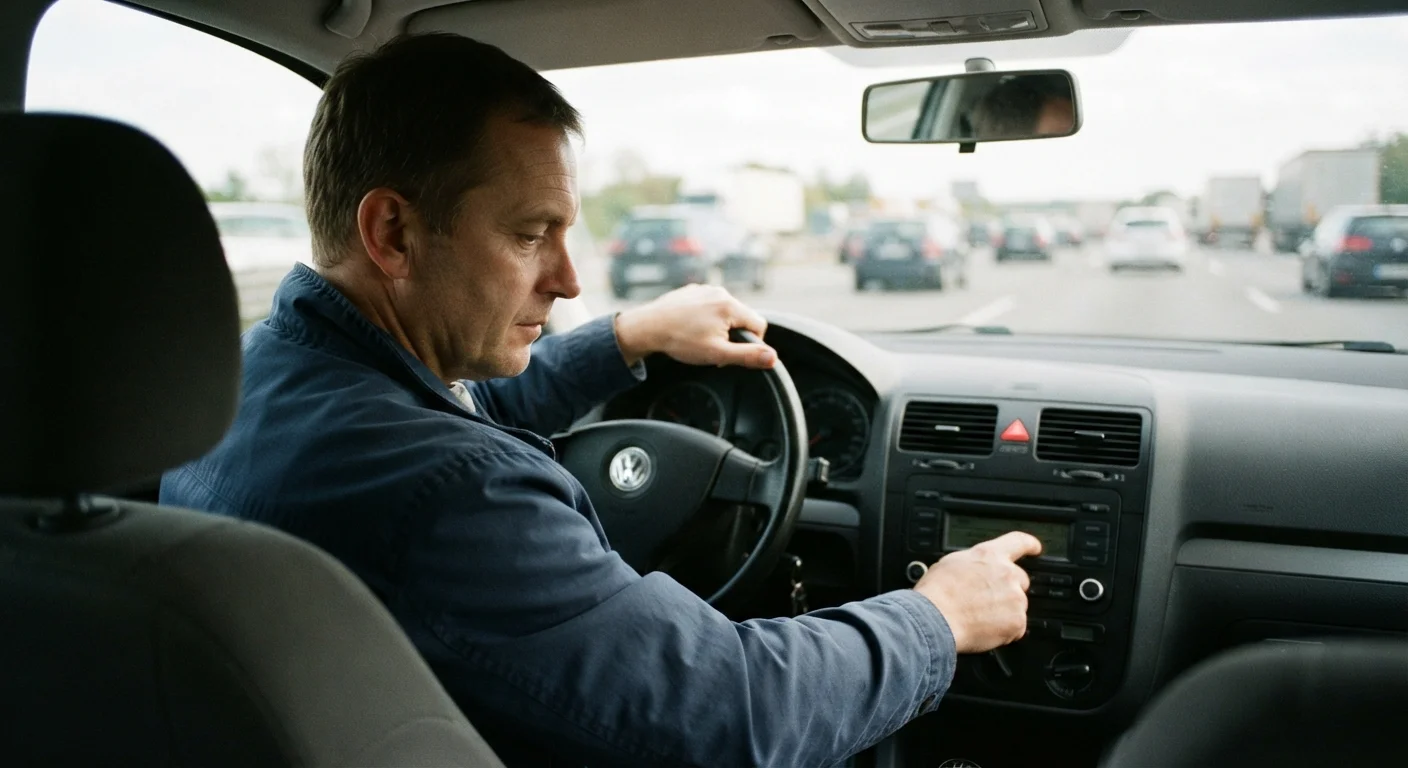
Photo credit: InfoHorizon.net | Access To Informative Content
In this article
Smartphones get the headlines, but eating, adjusting the radio, and in-car conversations carry real risk too. Here's the full picture of driver distraction.
Key Takeaways
- Distracted driving includes manual, visual, and cognitive distractions - phones are just one source.
- Eating, grooming, and adjusting in-car controls are among the most frequently overlooked distractions.
- Even hands-free conversations impair a driver's ability to detect and respond to hazards.
- Passengers, navigation systems, and emotional state all compete for a driver's limited attention.
- Building pre-trip habits reduces the need to manage distractions once the vehicle is in motion.
The Distraction Problem Is Wider Than Most Drivers Think
Phone-related crashes dominate public awareness campaigns, and for good reason - handheld device use is a significant contributor to roadway fatalities. But researchers and traffic safety experts have long documented that distraction falls into three overlapping categories: manual (hands off the wheel), visual (eyes off the road), and cognitive (mind off the task of driving). Most dangerous activities involve more than one category at once.
What's less well understood is how many everyday habits outside of phone use tick all three boxes. Drivers routinely underestimate the risk of reaching for a coffee cup, arguing with a passenger, or fumbling with a navigation app at a red light - then continuing that task as the car accelerates. Understanding the full landscape of distraction is the first step toward actually reducing it.
If you're building better habits behind the wheel, it's worth pairing this knowledge with core defensive driving principles that help you anticipate hazards before they escalate.
Eating and Drinking While Driving
Consuming food or beverages behind the wheel is one of the most normalized forms of distraction on American roads. Unwrapping packaging, holding a cup, managing a spill - each action removes at least one hand from the wheel and shifts visual attention away from traffic. Studies cited by the National Highway Traffic Safety Administration (NHTSA) have consistently listed eating and drinking among the in-vehicle activities most associated with near-crashes.
A drive-through meal consumed during a commute may feel routine, but the manual and visual demands compound when traffic density increases or a sudden stop is required. Finishing meals before departure or pulling over to eat eliminates the risk entirely.
Reaching for a cup or wrapper removes your hand from the wheel at exactly the wrong moment.
Adjusting the Radio, Climate, or Infotainment System
Modern vehicles pack an enormous amount of functionality into touchscreens and steering-wheel controls. While well-designed interfaces reduce eyes-off-road time, they don't eliminate it. Scrolling through playlists, adjusting the temperature, or searching for a station requires visual confirmation that a physical dial does not.
Research from the AAA Foundation for Traffic Safety has found that some infotainment tasks - particularly those involving voice-command systems - create cognitive distraction that persists for several seconds after the interaction ends. That lag means a driver may be visually back on the road but mentally still processing the system's response. Preset favorites, steering-wheel controls, and pausing adjustments until stopped all help manage this risk. This is also relevant to work zone driving, where sudden lane shifts leave no room for in-cab multitasking.
Cognitive distraction from voice systems can linger for several seconds after the interaction ends.
Grooming and Personal Appearance
Applying makeup, combing hair, or checking appearance in the rearview mirror while in motion combines all three distraction types simultaneously. The mirror is redirected from its safety function, hands leave the wheel, and attention is focused inward rather than on the driving environment.
This category is particularly common during morning commutes when time pressure is high. The practical solution is straightforward: build an extra few minutes into morning routines so grooming is complete before entering the vehicle.
Redirecting the rearview mirror for grooming eliminates a critical safety tool without warning.
Conversations With Passengers
Talking with passengers is cognitively demanding in ways that differ from driving alone. Unlike a phone call, in-person conversation involves eye contact, gesture, and the social pressure to respond - all of which redirect mental resources away from the driving task. Emotionally charged discussions, arguments, or attempts to manage children in the back seat intensify this effect substantially.
Interestingly, research suggests that adult passengers often moderate their conversation naturally when they perceive danger - slowing speech, pausing, or pointing out hazards - whereas a caller on the other end of a phone cannot do this. That said, any animated in-vehicle conversation in heavy traffic, on unfamiliar roads, or in adverse conditions competes meaningfully with situational awareness. See also how reduced following distances shrink the reaction window when attention is divided.
Emotionally charged passenger conversations draw cognitive resources away from the road without the driver noticing.
Managing Navigation Systems in Motion
GPS navigation is widely credited with reducing route-related confusion, but drivers frequently interact with navigation apps while moving - entering addresses, recalculating after a missed turn, or zooming the map. Each of these tasks involves visual and manual engagement with a screen.
Best practice is to program destinations fully before departing, mount the device at eye level to minimize head movement, and rely on audio instructions rather than visual monitoring during the journey. If a route needs to change, pulling into a safe location to reprogram is the appropriate response rather than managing it at speed. This ties directly to the value of a pre-trip checklist that includes navigation setup as a standard step.
Programming navigation while moving is functionally equivalent to any other handheld screen interaction.
Mind-Wandering and Emotional State
Purely cognitive distraction - daydreaming, rehearsing a conversation, processing stress, or mentally reviewing a to-do list - is the hardest to self-diagnose because there's nothing visible to correct. Studies using naturalistic driving data have found that mind-wandering is one of the most common states recorded during crashes and near-crashes, precisely because drivers don't recognize it as distraction.
Emotional arousal compounds this: a driver who just received bad news, had an argument before getting in the car, or is anxious about an upcoming event is measurably less responsive to sudden changes in the driving environment. There are no simple technological fixes for this form of distraction. Awareness of one's emotional state before driving - and giving oneself permission to wait before driving when that state is elevated - is the most practical mitigation available.
Mind-wandering during driving is among the most common factors in crashes - and the hardest to self-detect.
Making Attention a Pre-Trip Priority
The most effective intervention for distracted driving happens before the vehicle moves. Adjusting mirrors, loading a destination into navigation, eating a meal, and securing loose items in the cabin are all tasks that take seconds outside the car and far longer - at far greater risk - while driving.
Build a Pre-Departure Routine
Before shifting into drive, take 60 seconds to adjust mirrors, set your navigation destination, connect to audio, and stow food or drinks you don't intend to finish before moving. Addressing these tasks at rest removes the temptation to handle them in traffic. Drivers who make this a consistent habit report fewer moments of in-motion fumbling on familiar and unfamiliar routes alike.
Habitual pre-departure checks also catch maintenance issues before they become in-vehicle distractions. Drivers who run through a systematic routine are less likely to be caught off guard by a dashboard warning light mid-trip. See a structured pre-trip safety checklist for a practical starting point.
It's also worth noting that distraction doesn't exist in isolation. Fatigue compounds attentional lapses significantly - the physical effects of drowsy driving closely mirror those of impairment, and a tired driver who is also eating or managing passengers is operating with a dramatically reduced margin for error. The environment matters too: city streets and open highways demand very different attentional strategies, and knowing which mode you're in sharpens your response to competing demands inside the vehicle.

Author
Cars Editorial Team
Cars Editorial Team is the collective byline for our editorial team and contributor network. Articles published under this byline or an editorial pen name are researched, written, and reviewed according to our editorial standards for clarity, consistency, and independence before publication.
View all articles →