
Car Maintenance for New Drivers: Building Good Habits From Day One
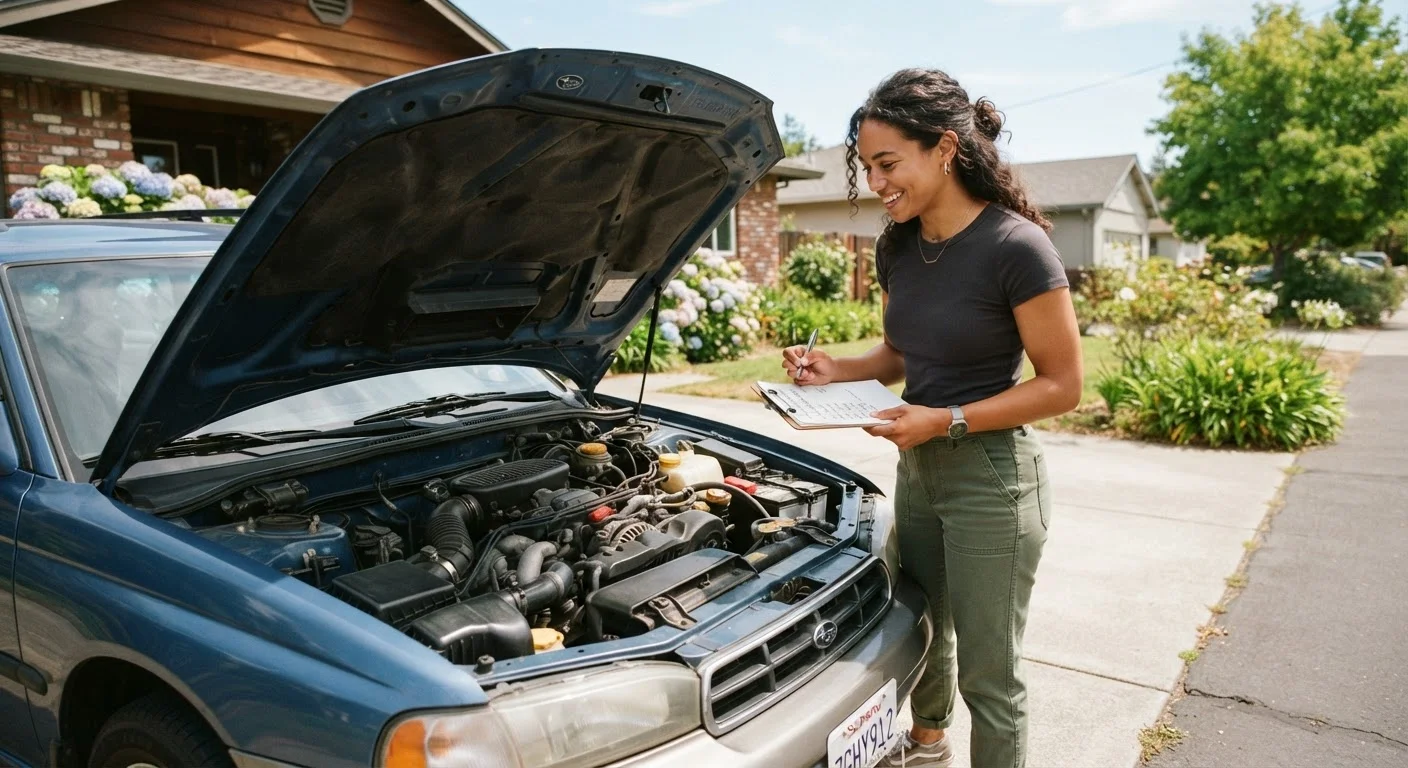
Photo credit: InfoHorizon.net | Access To Informative Content
In this article
Everything a first-time car owner needs to understand about routine upkeep, from oil changes to tire pressure checks.
Key Takeaways
- Oil changes, tire pressure, and fluid checks are the foundation of any maintenance routine.
- Your owner's manual is the most reliable source for your car's specific service intervals.
- Catching small problems early almost always costs less than waiting until something breaks.
- Many basic checks take less than five minutes and require no tools at all.
- Knowing when to call a mechanic is just as important as knowing what you can handle yourself.
Why Routine Maintenance Matters From the Start
New drivers tend to focus heavily on the act of driving - and understandably so. But a car is a mechanical system that degrades predictably over time, and how well you maintain it from day one has a direct impact on its reliability, safety, and lifespan.
Deferred maintenance is one of the most common - and expensive - mistakes car owners make. A missed oil change here or an ignored warning light there may seem inconsequential, but these small oversights compound. An engine running on degraded oil, for example, faces accelerated wear that can lead to repair bills that dwarf the cost of a simple service visit.
The good news: most routine maintenance is neither complicated nor expensive. Building habits early means you'll spend far less time and money dealing with avoidable breakdowns. It also makes you a safer driver - well-maintained brakes, tires, and lights directly affect your ability to control your vehicle in an emergency. See our driving and safety hub for practical advice on handling road emergencies.
The Core Maintenance Tasks Every New Driver Should Know
You don't need to be a mechanic to stay on top of your car's health. These are the fundamental checks every driver should be comfortable performing or at least monitoring:
Engine Oil
Oil lubricates and cools your engine's moving parts. Check the level monthly using the dipstick - the process takes under two minutes. If the oil appears very dark or gritty, it's likely overdue for a change. For guidance on oil types, see our overview of synthetic vs. conventional motor oil.
Tire Pressure and Tread
Underinflated tires reduce fuel efficiency, handle poorly, and wear unevenly. Check pressure monthly and before long trips using an inexpensive gauge. To check tread depth, insert a quarter into the tread groove with Washington's head pointing down - if you can see the top of his head, the tires are worn and should be replaced. Tire failures can have serious consequences; our article on handling tire blowouts and brake failures explains what to do if something goes wrong.
Coolant and Other Fluids
Coolant prevents your engine from overheating. Check it when the engine is cold by looking at the overflow reservoir. Brake fluid, windshield washer fluid, and - on some vehicles - power steering fluid should also be monitored regularly.
Wiper Blades and Lights
These are safety items. If wipers streak or chatter, they need replacing - usually a straightforward task. Walk around your parked car periodically to verify all lights are functioning.
Make a Quick Monthly Walkaround a Habit
Once a month, spend five minutes walking around your parked car: check tire pressure, look for any visible fluid leaks underneath, verify all exterior lights are working, and glance at wiper blade condition. This simple routine catches the majority of developing issues before they escalate. No tools are required beyond a basic tire pressure gauge.
Reading Your Owner's Manual (It's More Useful Than You Think)
Your owner's manual is the single most authoritative source of information about your specific vehicle. It contains the manufacturer-recommended service intervals for oil changes, transmission fluid, spark plugs, timing belts, and more - all tailored to your exact make, model, and engine.
Many drivers never open it. That's a mistake. Relying on generic advice (like the widely repeated but often outdated 3,000-mile oil change rule) can lead you to service your car too frequently - wasting money - or not frequently enough. Our article explaining your car's maintenance schedule breaks down what those mileage milestones actually mean.
Can't find your physical manual? Most manufacturers make digital versions available on their websites. You can also search by your vehicle's year, make, and model to locate a PDF version.
Maintenance Schedules Vary by Vehicle
There is no one-size-fits-all maintenance schedule. A compact sedan, a pickup truck, and a hybrid vehicle all have different service requirements and intervals. Even two cars of the same model year may have different schedules depending on their engine type or transmission. Always treat your owner's manual as the primary reference - not general guidelines found online.
When to DIY and When to See a Mechanic
Part of becoming a confident car owner is knowing where the line is between what you can handle and what requires professional expertise. Getting this wrong in either direction costs you - either in unnecessary shop fees or in DIY mistakes that create bigger problems.
Tasks generally appropriate for beginners:
- Checking and topping off fluids
- Replacing wiper blades
- Checking tire pressure and inspecting tread
- Replacing cabin air filters (on most vehicles - check your manual)
- Changing a flat tire using a spare
Tasks that should go to a qualified mechanic:
- Brake inspection and replacement
- Suspension and steering work
- Electrical diagnostics
- Timing belt or chain service
- Any repair requiring the vehicle to be raised on jack stands
Before heading to the shop, it pays to be prepared. Knowing the right questions to ask a mechanic helps you stay informed and avoid unnecessary upsells. You should also be aware that some common assumptions about car care aren't accurate - our piece on car maintenance myths separates fact from fiction.
Don't Ignore Dashboard Warning Lights
A warning light on your dashboard is your car communicating that something needs attention - ignoring it rarely makes the underlying issue go away, and often makes it worse. If the check engine, oil pressure, or temperature light illuminates, take it seriously. Have the vehicle inspected by a qualified mechanic promptly, especially if the light is red or accompanied by unusual sounds or smells.
Building a Maintenance Routine That Sticks
The hardest part of car maintenance isn't knowing what to do - it's remembering to do it consistently. A few simple systems make this much easier:
- Use your odometer, not just the calendar. Many maintenance tasks are mileage-based. Note your current mileage after each service so you know exactly when the next one is due.
- Set a phone reminder. Schedule a monthly five-minute check of oil, tires, and lights. It costs nothing and takes almost no time.
- Keep a simple log. A notes app or a small notebook in the glove compartment works fine. Record the date, mileage, and what was done at each service.
- Pair seasonal changes with maintenance checks. Spring and fall are natural times to inspect tires, top off fluids, and assess wipers. Our seasonal car care guide outlines what each season demands from your vehicle.
Once a year, it's worth doing a more thorough review. Our annual car maintenance audit checklist walks you through a structured inspection that catches worn parts and low fluids before they become expensive problems. You may also find it worthwhile to look at overlooked maintenance tasks - items like cabin air filters and differential fluid rarely get attention but matter over time.
Building these habits now means your car will serve you reliably for years. The investment in time is small; the payoff in avoided repairs - and peace of mind - is substantial.
Frequently Asked Questions

Author
Cars Editorial Team
Cars Editorial Team is the collective byline for our editorial team and contributor network. Articles published under this byline or an editorial pen name are researched, written, and reviewed according to our editorial standards for clarity, consistency, and independence before publication.
View all articles →