
Overlooked Maintenance Tasks That Many Drivers Never Think About
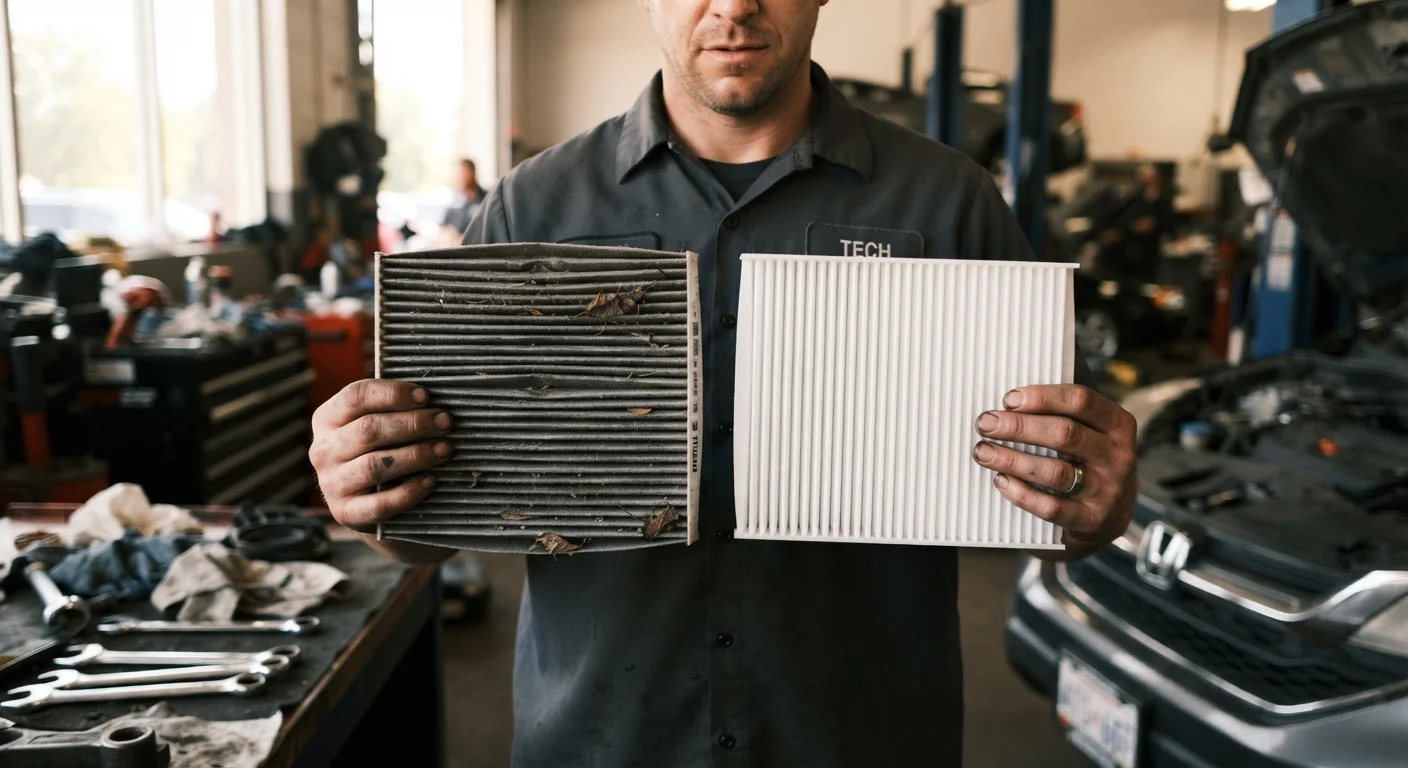
Photo credit: InfoHorizon.net | Access To Informative Content
Cabin air filters, fuel injectors, and differential fluid rarely make it onto drivers' radar — but ignoring them adds up over time.
Key Takeaways
- Cabin air filters, differential fluid, and fuel injectors are routinely skipped but affect everyday driving quality.
- Many overlooked maintenance items have clear service intervals in your owner's manual - they just don't get the same attention as oil changes.
- Neglecting these tasks can quietly accelerate wear on more expensive components.
- Most of these services are low-cost when addressed on schedule but expensive when deferred.
- Checking your owner's manual is the single most reliable starting point for any overlooked service.
The Maintenance Items Hiding in Plain Sight
Most drivers stay on top of oil changes and tire rotations - and that's a solid foundation. But a surprising number of routine services rarely come up in casual conversation or quick lube reminders, even though they're listed right in the owner's manual. Skipping them doesn't always trigger a warning light or an obvious symptom, which is exactly why they slip through the cracks.
The real cost of skipping routine maintenance isn't always immediate. It tends to show up later - in a larger repair bill, reduced fuel economy, or a system that fails earlier than it should. The list below covers the services that mechanics most commonly find overdue, and what each one actually does for your vehicle.
Cabin Air Filter
The cabin air filter cleans the air that flows through your heating and air conditioning system before it reaches the passenger compartment. Over time, it collects dust, pollen, and debris - and a clogged filter reduces airflow noticeably, makes the HVAC system work harder, and can introduce unpleasant odors into the cabin.
Most manufacturers recommend replacing this filter every 15,000 to 25,000 miles, though driving in dusty or high-pollen environments shortens that interval. It's typically a straightforward replacement accessible behind the glove box, though the location varies by vehicle. Check your owner's manual for the exact interval and location.
A clogged cabin air filter silently strains your HVAC system and degrades the air quality inside your car.
Differential Fluid
The differential is a gear system that allows your wheels to rotate at different speeds during turns. Like any gearset, it relies on lubricating fluid to manage heat and reduce metal-on-metal wear. This fluid degrades over time and picks up metal particles from normal operation.
Differential fluid is often overlooked because it doesn't come up at routine oil change appointments. Depending on the vehicle and whether it's front-wheel, rear-wheel, or all-wheel drive, the service interval typically falls between 30,000 and 60,000 miles. Neglecting it can lead to premature differential wear - a repair that runs considerably more than a simple fluid change. Check the full list of fluids every driver should monitor for a broader view.
Differential fluid rarely gets mentioned at oil changes, but worn fluid accelerates gear wear that's costly to fix.
Fuel Injector Cleaning
Fuel injectors deliver a precise spray of fuel into the engine's combustion chamber. Over time, carbon deposits and fuel residue can accumulate on the injector tips, disrupting that spray pattern. The result is reduced fuel efficiency, slightly rough idling, and in some cases, harder cold starts.
This service isn't always listed at a fixed mileage in every owner's manual, but it's commonly recommended in the range of 45,000 to 60,000 miles - or when symptoms suggest fuel delivery issues. A professional cleaning can restore injector performance without replacement. It's worth asking your mechanic whether your vehicle's history and symptoms make this service appropriate.
Carbon buildup on fuel injectors degrades spray patterns gradually - the decline in efficiency is easy to miss until it's significant.
Brake Fluid Flush
Brake fluid is hygroscopic, meaning it absorbs moisture from the air over time. As water content increases, the fluid's boiling point drops - which can reduce braking effectiveness under hard use and increase the risk of internal corrosion in brake components.
Many manufacturers recommend a brake fluid flush every two years or around 30,000 miles, but this interval is widely ignored. It's a low-cost service relative to the brake system components it helps protect. If you're unsure when yours was last done, a mechanic can test the moisture content of your current fluid with an inexpensive testing strip.
Brake fluid absorbs moisture over time, quietly lowering its boiling point and putting brake system components at risk.
Spark Plug Inspection and Replacement
Spark plugs ignite the air-fuel mixture in each cylinder. Worn plugs misfire - even subtly - causing reduced power, lower fuel economy, and harder starts. Modern iridium or platinum plugs can last 60,000 to 100,000 miles, which leads many drivers to forget about them entirely.
The long service interval is actually a reason to be more deliberate about checking them, not less. A plug that's been in service for 80,000 miles on a high-mileage vehicle can be difficult to remove and may seize in the cylinder head if left too long. Staying close to the interval recommended in your owner's manual avoids that complication.
Long-life spark plugs last up to 100,000 miles - but that long interval means many drivers forget them entirely.
Throttle Body Cleaning
The throttle body controls airflow into the engine. Carbon and oil vapor deposits gradually coat its interior walls and the throttle plate itself, restricting airflow and causing rough idling, hesitation during acceleration, or a slight stumble at startup.
This service isn't always on a fixed schedule, but it's commonly performed every 30,000 to 75,000 miles depending on driving conditions and engine type. It's a relatively simple cleaning procedure - not a part replacement - and restoring airflow often improves throttle response noticeably. If your vehicle has been idling roughly without an obvious cause, this is a reasonable place to start diagnosis.
Carbon buildup in the throttle body restricts airflow and causes rough idle symptoms that are easy to misattribute.
Making These Part of Your Regular Routine
None of these services require a specialized facility or a deep mechanical background to keep track of. The most reliable habit is to pull out your owner's manual once a year and cross-reference your mileage against every listed interval - not just the ones your service center typically prompts. A structured annual car maintenance checklist can make this process straightforward.
Start With Your Owner's Manual
Your owner's manual lists every service interval specific to your vehicle's make, model, and engine. It's the most accurate source available - more reliable than general online guides or service reminder stickers. If you don't have a physical copy, most manufacturers make digital versions available through their websites.
If you drive a higher-mileage vehicle, some of these services become even more important. The maintenance picture shifts meaningfully after 100,000 miles, and catching up on deferred services at that stage can extend useful vehicle life considerably. Understanding what every mileage milestone in your owner's manual actually means is a good place to start.

Author
Cars Editorial Team
Cars Editorial Team is the collective byline for our editorial team and contributor network. Articles published under this byline or an editorial pen name are researched, written, and reviewed according to our editorial standards for clarity, consistency, and independence before publication.
View all articles →