
High-Mileage Vehicle Maintenance: What Changes After 100,000 Miles
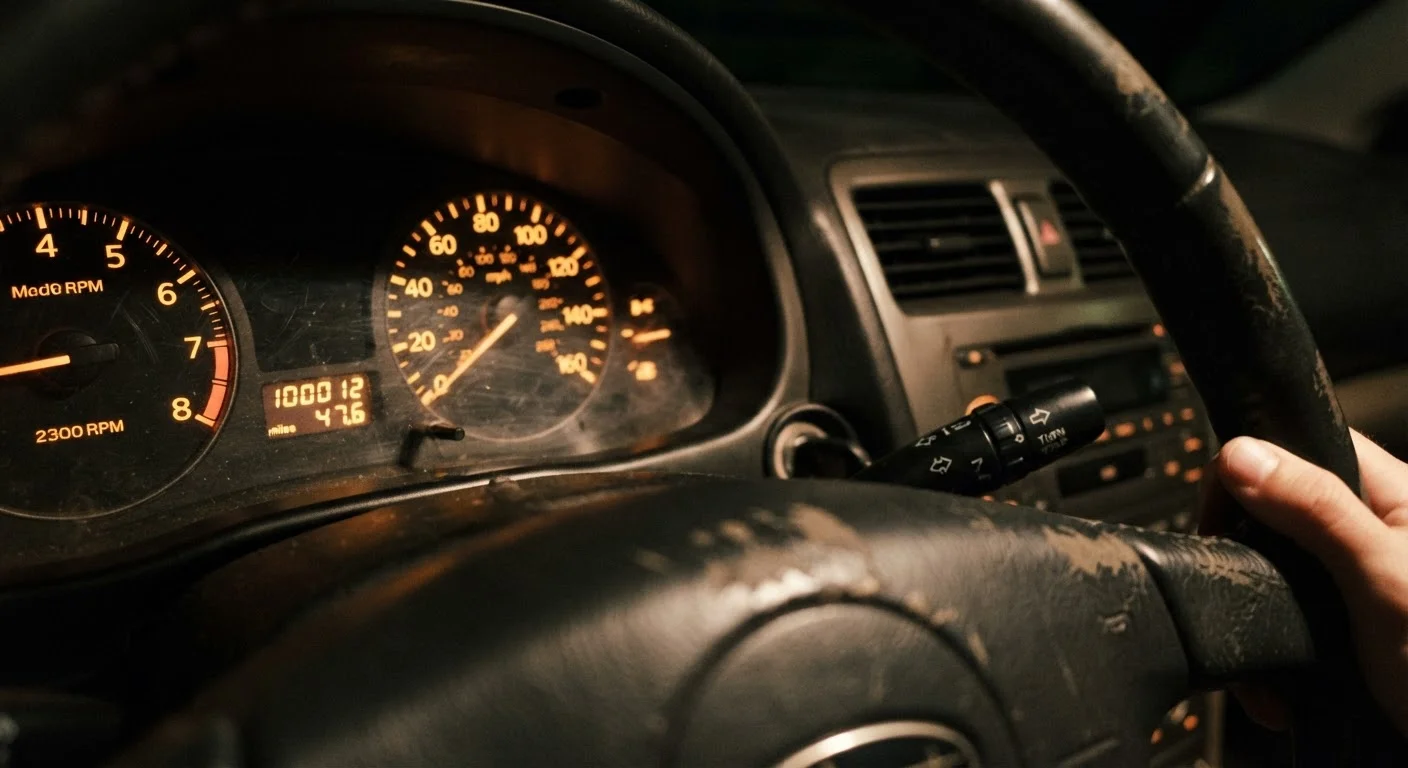
Photo credit: InfoHorizon.net | Access To Informative Content
In this article
Older, high-mileage cars need a different maintenance approach. Here's what to watch for and which services become more critical.
Key Takeaways
- After 100,000 miles, many components that were rarely an issue now require proactive monitoring.
- Fluid change intervals often need to be shortened as engines and transmissions accumulate wear.
- Rubber components - belts, hoses, and seals - degrade with age and mileage and can fail without obvious warning.
- A structured annual maintenance audit becomes more valuable as vehicle mileage increases.
- High-mileage vehicles can remain reliable with consistent, informed care - neglect accelerates decline.
Why 100,000 Miles Is a Turning Point
Reaching 100,000 miles doesn't mean a vehicle is finished - millions of well-maintained cars run reliably well past 200,000 miles. But it does signal a meaningful shift in how the vehicle should be cared for. Components that were new or near-new when the car left the dealership have now experienced years of heat cycles, vibration, friction, and chemical breakdown. The cumulative effect means certain parts are statistically more likely to need attention, and some that rarely required thought now belong on your regular radar.
This isn't the same as starting from scratch. If you've followed a solid maintenance schedule throughout ownership, you're in a better position than someone who hasn't. If you've recently acquired a high-mileage vehicle without a full service history, a thorough inspection by a qualified mechanic is the smart first step. Either way, understanding what changes - and why - puts you in control.
For drivers new to car ownership or building foundational habits, see our guide for new drivers as a useful baseline before diving into the specifics of high-mileage care.
200,000+
Miles many maintained vehicles now reach
Improvements in manufacturing and materials mean modern vehicles routinely surpass 200,000 miles with consistent maintenance.
~60-100k
Typical timing belt replacement interval
Most manufacturers specify timing belt replacement between 60,000 and 100,000 miles - check your owner's manual for the exact figure.
Up to 40%
Fuel economy loss from neglected tune-up items
The U.S. Department of Energy notes that worn spark plugs, O2 sensors, and dirty air filters can reduce fuel efficiency noticeably over time.
Fluids and Filters: Stricter Schedules Apply
Fluids do more than lubricate - they cool, clean, and protect. In a high-mileage engine, internal tolerances have loosened slightly and combustion byproducts accumulate faster. This means oil in particular degrades more quickly, and sticking to the absolute maximum oil change interval can allow sludge buildup that would be harmless in a younger engine but damaging in an older one.
- Engine oil: Consider moving to the shorter end of your manufacturer's recommended interval, and verify whether a high-mileage oil formulation (typically designed for engines over 75,000 miles) is appropriate for your vehicle.
- Transmission fluid: Many manufacturers label automatic transmission fluid as a "lifetime fill," but at high mileage, a flush or fluid change is often advisable - consult your owner's manual and a trusted mechanic.
- Coolant: Older coolant loses its anti-corrosion additives, which is especially problematic in aging aluminum engine components. A coolant flush is a reasonable priority at this stage.
- Power steering and brake fluid: Brake fluid absorbs moisture over time, lowering its boiling point; high-mileage vehicles benefit from more frequent checks and changes.
Filters - air, cabin air, and fuel - also deserve attention. A clogged fuel filter forces the fuel pump to work harder, and fuel pumps are a common high-mileage replacement item. See our overlooked maintenance tasks guide for a deeper look at filters drivers often miss.
Check Your Owner's Manual First
Manufacturer recommendations for fluid types and change intervals are specific to your engine and transmission design. Before switching fluid grades or shortening intervals, confirm what your owner's manual specifies for high-mileage or severe-duty use. A qualified mechanic can help you interpret those recommendations for your actual driving conditions.
Components That Wear Out More Quickly at High Mileage
Several mechanical components have finite service lives and are statistically more likely to need replacement once significant mileage accumulates.
- Spark plugs and ignition coils
- Even extended-life iridium or platinum plugs have a service limit, typically 60,000-100,000 miles. Worn plugs reduce fuel efficiency and can strain ignition coils.
- Oxygen sensors
- These sensors govern fuel trim and emissions. Degraded sensors cause poor fuel economy and may trigger a check-engine light. They're a common replacement on higher-mileage vehicles.
- Suspension components
- Struts, shocks, control arm bushings, and ball joints absorb road impact for years. Worn suspension affects ride quality, tire wear, and - critically - vehicle handling and braking distance.
- Brake hardware
- Beyond pads and rotors, inspect calipers, brake hoses, and hardware. Calipers can seize on older vehicles, and rubber brake hoses can swell internally, restricting fluid flow.
When evaluating a high-mileage vehicle's suspension, have a technician perform a proper four-corner inspection on a lift - not just a visual check from the ground. Many worn bushings and ball joints only reveal their play under load.
Surface-level inspections commonly miss worn suspension components that only exhibit movement when weight and steering forces are applied, which is the condition that actually matters for safety.
Pull your vehicle's OBD-II codes - even if the check-engine light isn't on - using an inexpensive scan tool before any high-mileage service visit. Pending codes that haven't illuminated the dash yet can guide your mechanic toward problems just starting to develop.
Modern vehicles store diagnostic trouble codes in a pending state before triggering a warning light; catching these early gives you a head start on diagnosis and can prevent a minor fault from becoming a major repair.
Rubber, Seals, and Belts: The Silent Failure Points
Rubber degrades with time and heat regardless of mileage. A vehicle that has accumulated 100,000 miles over 10 or more years may have rubber components that are more compromised by age than by use - and rubber failures often arrive without much warning.
Timing Belt Failure Can Total Your Engine
On interference-engine designs - which are common - a snapped timing belt causes the pistons and valves to collide, resulting in engine damage that often costs more to repair than the vehicle is worth. If you don't know when the timing belt was last replaced on a high-mileage vehicle, treat it as overdue and have it inspected immediately by a qualified mechanic.
Timing belt: If your vehicle has a rubber timing belt (rather than a timing chain), this is the most critical rubber component on the car. Most manufacturers specify replacement between 60,000 and 100,000 miles. A snapped timing belt can cause catastrophic engine damage - check your owner's manual for the interval and verify when it was last replaced.
Serpentine belt: This single belt drives multiple accessories (alternator, power steering pump, air conditioning). Cracking, glazing, or fraying is a sign it's due for replacement.
Coolant hoses and vacuum lines: Squeeze hoses when the engine is cold - they should be firm but slightly pliable. Soft, spongy, hard, or cracked hoses are replacement candidates. Vacuum leaks from aged lines cause rough idle and drivability problems that can be difficult to diagnose.
Gaskets and seals: Oil leaks become more common at high mileage as gaskets and valve cover seals harden and shrink. Small seeps can become significant leaks; address them before they lead to low-oil damage.
Building a High-Mileage Maintenance Routine
The most effective approach to high-mileage ownership is a structured, proactive routine rather than a reactive one. Waiting for something to fail is considerably more expensive than catching wear early.
Consider scheduling a comprehensive inspection with a qualified mechanic annually - or every 10,000-15,000 miles - that goes beyond standard oil-and-tire service. Our Annual Car Maintenance Audit checklist provides a structured framework for this kind of review. This inspection should cover all the systems discussed here: fluids, belts, hoses, suspension, brakes, and electrical components.
Keep records. A maintenance log that travels with the vehicle helps mechanics spot patterns, proves care history if you sell, and prevents redundant or missed services.
Monitor warning signs actively. Unusual noises, vibrations, changes in steering feel, or shifts in fuel economy are signals worth investigating promptly - not deferring. At high mileage, small problems compound quickly.
Service History Gaps Matter
If you've purchased a high-mileage vehicle without a complete service record, don't assume prior maintenance was performed. Have a trusted mechanic assess which critical services - particularly timing belt, coolant flush, and transmission fluid - may be outstanding. It's worth the cost of a thorough inspection upfront.
High-mileage vehicles also deserve attention on the driving and safety side - well-worn suspension and brakes affect stopping distances and emergency handling, which are worth revisiting as components age.
With consistent attention and informed decision-making, a 100,000-mile vehicle can be a dependable, cost-effective choice for many more years of service.

Author
Cars Editorial Team
Cars Editorial Team is the collective byline for our editorial team and contributor network. Articles published under this byline or an editorial pen name are researched, written, and reviewed according to our editorial standards for clarity, consistency, and independence before publication.
View all articles →