
Approaching a New US City as a Traveler, Not a Tourist
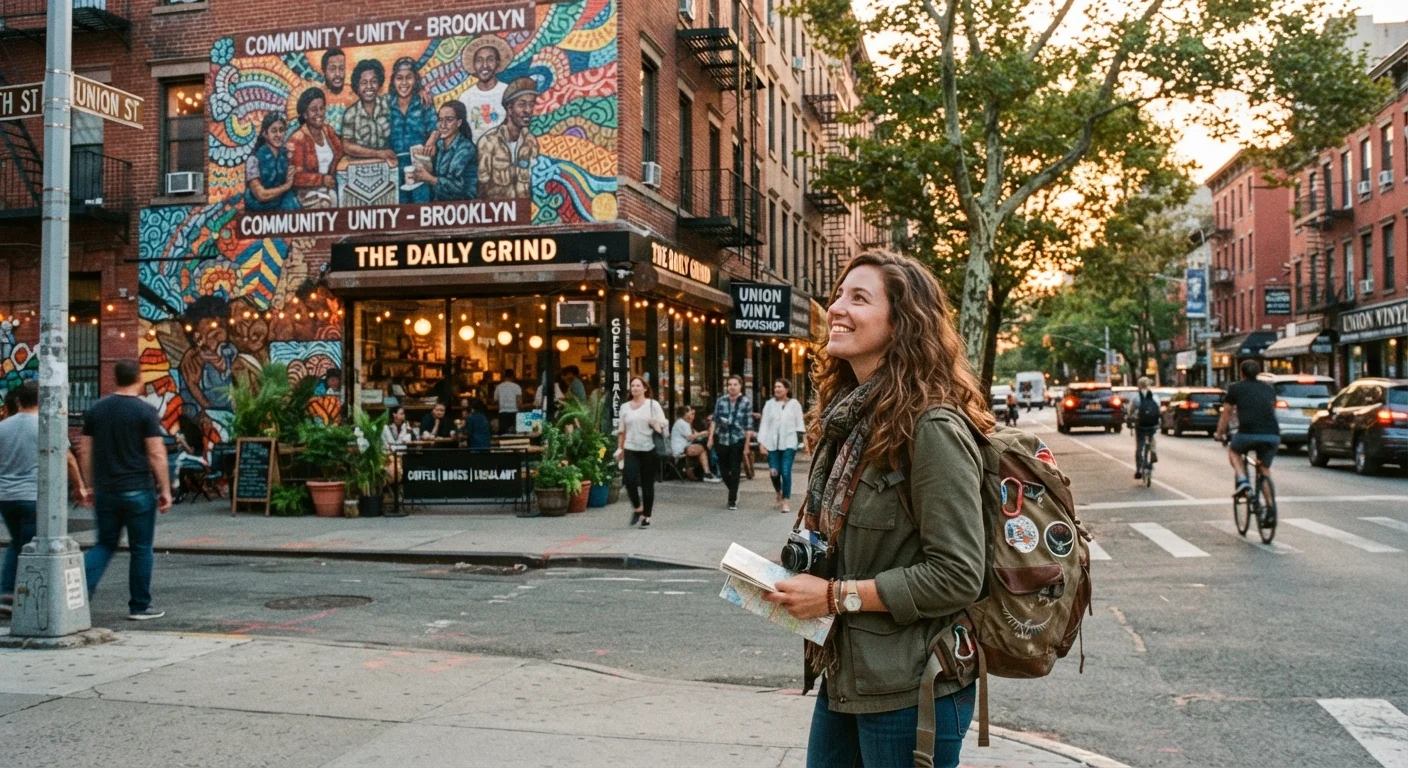
Photo credit: InfoHorizon.net | Access To Informative Content
In this article
The difference between a memorable city trip and a surface-level one often comes down to a few consistent habits. Here's how experienced travelers approach it.
Key Takeaways
- Travelers who research neighborhoods before arrival consistently have richer, more authentic city experiences.
- Eating, commuting, and exploring like a local reveals dimensions of a city no guidebook highlights.
- Slowing down — visiting fewer places more deeply — leads to more memorable trips than rushing through landmarks.
- Curiosity and openness, not a packed itinerary, are the hallmarks of a true traveler mindset.
The Tourist Trap Is a Mindset, Not a Location
There's nothing wrong with iconic landmarks — the Gateway Arch is breathtaking, the French Quarter is genuinely fun, and Times Square at night has an undeniable electric charge. But travelers who come home with the most compelling stories rarely built their trips around a checklist of attractions. They built them around curiosity.
The difference between tourist mode and traveler mode isn't about avoiding popular spots. It's about how you approach a city: passively consuming its most packaged version, or actively engaging with how it actually works and lives. That shift in mindset changes everything downstream — where you eat, how you move, what you notice, and what you remember.
Whether you're heading to a major metro or a mid-size city for the first time, these practices will help you move through it with intention. For a broader approach to domestic trip planning, the Trip Planning hub is a solid starting point.
Best Practices for Experiencing a US City Like a Traveler
These aren't rigid rules — they're habits that experienced city travelers develop over time, often after a trip or two that felt shallow. Apply the ones that resonate.
Research neighborhoods before researching attractions.
Attractions exist inside neighborhoods, and a city's character lives in those neighborhoods — not in the landmarks themselves. Understanding the distinct personalities of different areas helps you make smarter choices about where to base yourself and what you'll naturally encounter.
Use local transit at least once, even if you have a car.
Public transit puts you alongside residents in a way that rideshares and rental cars don't. You overhear conversations, notice what people carry, and pass through blocks that aren't optimized for tourism — all of which adds up to genuine city texture.
Eat at least one meal somewhere with no online presence.
Highly reviewed restaurants are often optimized for visitors, not locals. Places with little or no digital footprint — a counter spot inside a market, a family-run lunch place on a side street — often reflect the city's actual food culture more honestly.
Build at least one completely unscheduled half-day into every trip.
Over-scheduled itineraries squeeze out discovery. The most memorable travel moments — a spontaneous conversation, a gallery you wandered into, a neighborhood event you stumbled upon — require empty time to happen.
Ask a local one genuine question, not a tourist one.
"What's a good restaurant nearby?" is a tourist question. "What part of the city do you actually spend time in?" is a traveler question. The latter opens real conversation and consistently surfaces recommendations that don't appear in any guide.
Getting Started Before You Even Arrive
Some of the most valuable preparation happens before you board the plane or hit the highway. Spend 30 minutes reading a local alternative newspaper or city magazine — most major US cities have one (often available online). These publications cover what's actually happening in neighborhoods, from gallery openings to community disputes, and give you a textured picture that tourism sites never provide.
If you're planning a more complex itinerary — multiple stops, tight timing, or a solo adventure — the solo travel planning guide and the multi-stop destination checklist are both worth reading before you go.
Where Curious Travelers Go (That Most Visitors Don't)
The neighborhoods that most reward exploration are rarely in the top ten search results. Secondary commercial streets — one or two blocks from the main drag — often hold the city's most interesting independent shops, casual eateries, and human-scale streetlife. Seek out the transit hub neighborhoods, the arts district that hasn't fully gentrified, the Sunday farmers market that locals actually shop at.
“The traveler sees what he sees. The tourist sees what he has come to see.”
— G.K. Chesterton, Author and essayist
Cities also reward vertical curiosity: rooftop parks, observation decks at less-obvious buildings, elevated walkways, and waterfront industrial areas converted to public space. Many of these are free or low-cost and are nearly always less crowded than their famous equivalents.
For specific destination ideas beyond the well-worn path, lesser-known US destinations is a great read. And if New York is on your radar, this piece on what first-timers miss captures the mindset shift well.
Safety and Awareness Still Matter
Exploring off-the-beaten-path neighborhoods is rewarding, but it doesn't mean abandoning common sense. Check current travel advisories, be aware of your surroundings, and let someone know your general plans — especially when traveling solo or visiting an unfamiliar area at night. Most US cities are welcoming to curious visitors, but every destination has areas worth researching in advance.

Author
Travel Editorial Team
Travel Editorial Team is the collective byline for our editorial team and contributor network. Articles published under this byline or an editorial pen name are researched, written, and reviewed according to our editorial standards for clarity, consistency, and independence before publication.
View all articles →