
Where Added Sugar Hides in Everyday Foods
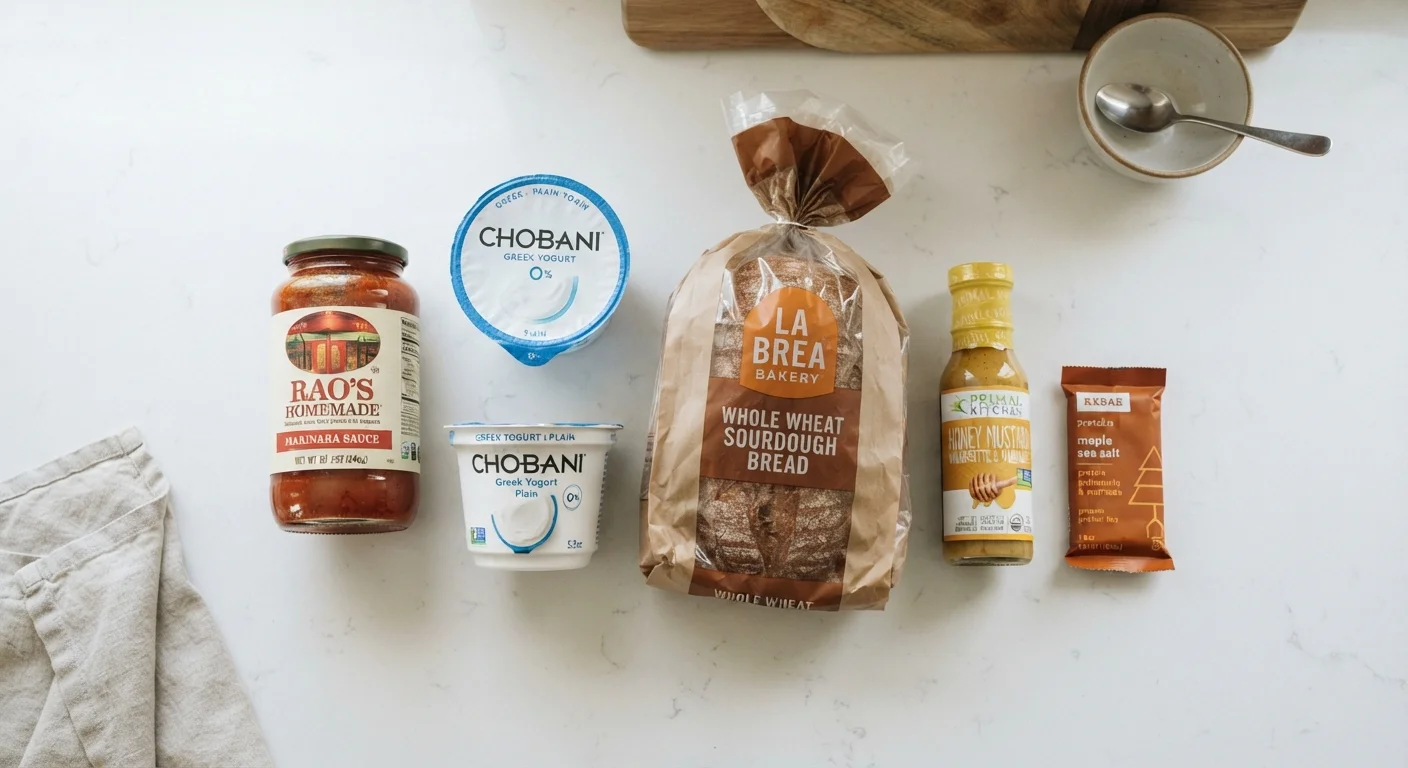
Photo credit: InfoHorizon.net | Access To Informative Content
Added sugar appears under dozens of names in ingredient lists. Learn to spot it and understand what the research says about its effects.
Key Takeaways
- Added sugar appears under more than 60 different names on ingredient lists.
- Many savory foods — like bread, pasta sauce, and salad dressing — contain surprising amounts of added sugar.
- The FDA now requires a separate 'Added Sugars' line on Nutrition Facts labels, making it easier to spot.
- Checking ingredient lists alongside the Nutrition Facts panel gives you the clearest picture.
- Reducing added sugar doesn't require eliminating all sweeteners — context and quantity matter most.
Why Added Sugar Is So Easy to Miss
Most people know to watch out for sugar in cookies and soda. The harder problem is the sugar you're not expecting — in your morning yogurt, your lunchtime sandwich bread, your weeknight pasta sauce. Added sugar is one of the most pervasive ingredients in packaged food, and food manufacturers use dozens of names for it on ingredient lists.
Understanding how ingredient lists work is the foundation here. Ingredients appear in descending order by weight, which means a sugar listed third or fourth is present in a meaningful amount. But when manufacturers split the added sugar across three or four different sweetener types — each with its own name — each one individually falls lower on the list, making the total easy to underestimate.
The good news: since the updated FDA Nutrition Facts label rolled out, manufacturers are required to list "Added Sugars" as its own line item, separate from naturally occurring sugars. That single change made it far easier to see what's actually in your food. Learning to read that panel is a practical skill worth developing. Below are the everyday foods where added sugar most commonly hides — and what to look for.
Flavored Yogurt
Plain yogurt contains naturally occurring lactose, a milk sugar — but flavored varieties often have added sugar layered on top. A single-serving container of fruit-on-the-bottom or vanilla yogurt can contain 12–20 grams of added sugar depending on the brand and style. The ingredient list may show it as cane sugar, evaporated cane juice, or high-fructose corn syrup. If you prefer flavored yogurt, checking the "Added Sugars" line on the label lets you compare options meaningfully — or you can stir fresh fruit into plain yogurt and control the sweetness yourself.
A single flavored yogurt cup can contain as much added sugar as several cookies.
Pasta Sauce and Tomato-Based Condiments
Tomatoes are naturally acidic, and manufacturers frequently add sugar to balance that sharpness in jarred pasta sauces. It's common to find 6–12 grams of added sugar per half-cup serving — sometimes more. The same applies to ketchup, barbecue sauce, and many other tomato-based condiments. On the ingredient list, look for sugar, cane sugar, corn syrup, or dextrose appearing early. Choosing products where no sweetener appears in the first five ingredients is a simple filter when comparing options.
Jarred pasta sauce regularly contains more added sugar per serving than you'd expect from a savory food.
Bread and Sandwich Wraps
Commercial bread — including whole wheat and multigrain varieties — often contains added sugar to improve browning, extend shelf life, and enhance flavor. A single slice may have 2–4 grams of added sugar, which adds up across a sandwich or two. Honey, molasses, brown sugar, and high-fructose corn syrup are all commonly used. This isn't necessarily alarming in small quantities, but if you're eating multiple servings of bread-based foods in a day, the contribution is worth noting.
Even whole wheat bread can contribute meaningful added sugar across a day of sandwiches and toast.
Granola and Breakfast Cereals
Granola is widely perceived as a health food, but many commercial versions are heavily sweetened — sometimes with 12–15 grams of added sugar per half-cup serving. Breakfast cereals targeted at adults (not just children's cereals) often follow the same pattern. Oats, nuts, and dried fruit all have a wholesome image, but the binding agents are frequently honey, corn syrup, or cane sugar. The serving size listed on granola packaging tends to be small, so it's worth noting how much you typically pour.
Granola can carry more added sugar per cup than a glazed doughnut.
Salad Dressings and Marinades
Bottled salad dressings — particularly low-fat varieties — often compensate for reduced fat with added sugar to maintain palatability. A two-tablespoon serving of a low-fat raspberry vinaigrette might contain 8–10 grams of added sugar. Marinades and stir-fry sauces follow a similar pattern, sometimes listing sugar as a top-three ingredient. Because these are used as condiments rather than main foods, their sugar content is easy to overlook when tracking total intake across a day.
Low-fat salad dressings frequently replace fat with added sugar to preserve flavor.
Plant-Based Milks and Flavored Dairy Drinks
Unsweetened plant-based milks — oat, almond, soy, and others — contain little to no added sugar. But "original" or flavored versions of the same products often add cane sugar or rice syrup to improve taste and mouthfeel. A cup of vanilla oat milk can contain 7 grams of added sugar compared to zero in the unsweetened version. Chocolate milk and flavored coffee creamers in the dairy aisle follow the same pattern. The label distinction between "unsweetened" and "original" is doing a lot of work in this category.
"Original" plant-based milk often means sweetened — unsweetened versions are a simple swap.
Building a Clearer Picture at the Grocery Store
Spotting added sugar is a two-step habit: check the Nutrition Facts label for the "Added Sugars" gram count, then scan the ingredient list to see what form it takes. Added sugar appears under dozens of names, including cane juice, dextrose, maltose, barley malt, fruit juice concentrate, and corn syrup solids — among many others. If you see multiple sweetener names scattered through the ingredient list, that's often a signal that the combined total is higher than any single ingredient suggests.
A Practical Label-Reading Habit
When comparing two similar products, look at the "Added Sugars" gram count first, then scan the ingredient list to see how many different sweetener names appear. Multiple sweetener types listed separately — cane sugar, dextrose, and maltose in the same product, for example — often signal a higher combined total than any single ingredient implies. This two-step check takes about 30 seconds and gives you a much clearer picture than the front of the package ever will.
The Dietary Guidelines for Americans recommend limiting added sugar to less than 10 percent of total daily calories. For a 2,000-calorie diet, that works out to roughly 50 grams — or about 12 teaspoons. A single flavored yogurt cup or a generous pour of bottled salad dressing can quietly consume a quarter of that budget. Awareness, not avoidance of all sweeteners, is the goal. Comparing labels across similar products is one of the most useful things you can do to make more informed choices without overhauling your entire diet.
This article is for general informational purposes only and is not a substitute for personalized nutrition or medical advice. Consult a registered dietitian or qualified healthcare professional for guidance specific to your health needs.

Author
Food Editorial Team
Food Editorial Team is the collective byline for our editorial team and contributor network. Articles published under this byline or an editorial pen name are researched, written, and reviewed according to our editorial standards for clarity, consistency, and independence before publication.
View all articles →