
Sodium Intake: How Much Is Too Much and Where It Comes From
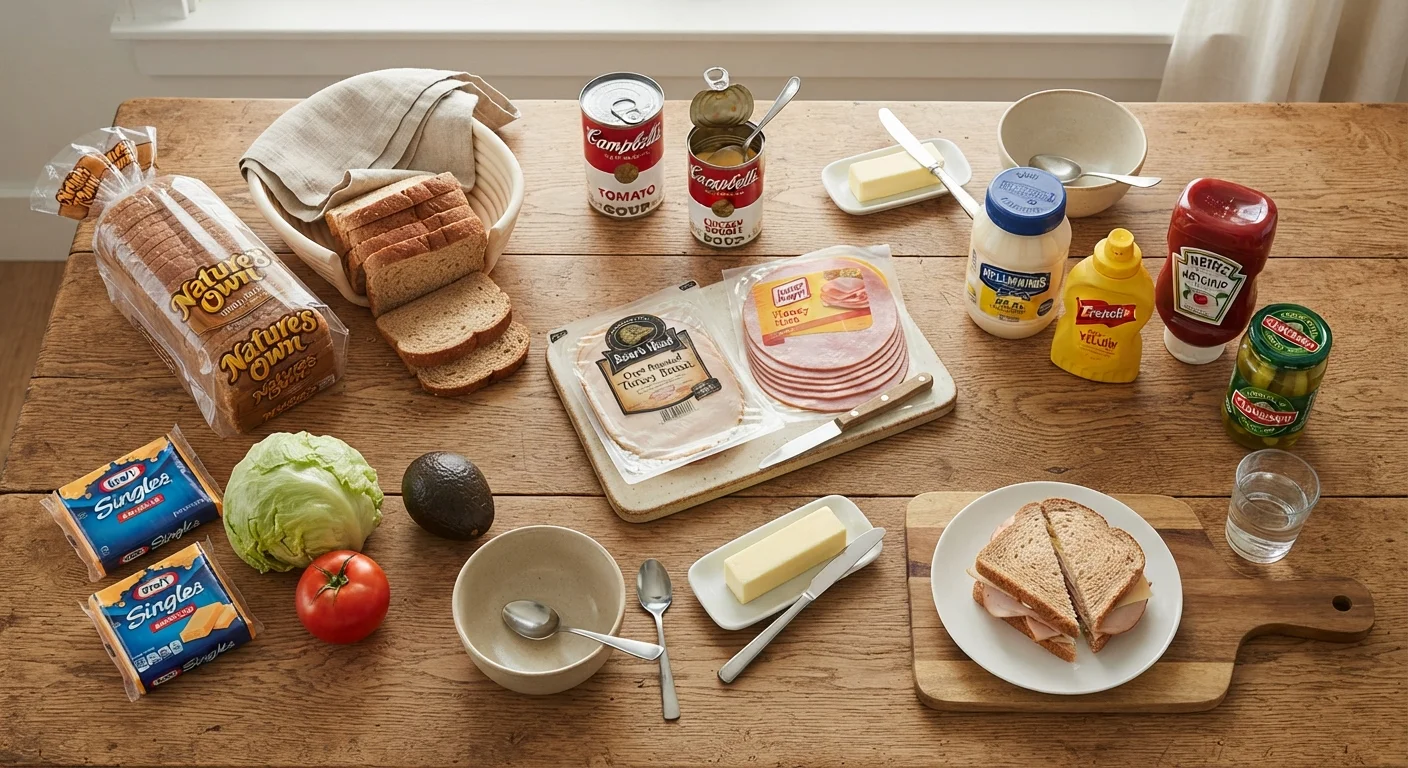
Photo credit: InfoHorizon.net | Access To Informative Content
In this article
Understand daily sodium guidelines, the foods that contribute most, and practical ways to manage intake without eliminating flavor.
Key Takeaways
- Most Americans consume well above the recommended daily sodium limit of 2,300 mg.
- Roughly 70% of dietary sodium comes from processed, packaged, and restaurant foods — not the salt shaker.
- Bread, cured meats, canned soups, and cheese are among the biggest sodium contributors in the American diet.
- Reducing sodium doesn't mean sacrificing flavor — herbs, spices, and acid can compensate effectively.
- Reading nutrition labels is the most reliable way to track sodium in packaged foods.
Why Sodium Matters — and Why the Guidelines Exist
Sodium plays a genuine role in keeping the body running. It helps maintain the balance of fluids inside and outside cells, assists in transmitting nerve signals, and supports muscle function. Your kidneys manage sodium levels continuously, excreting excess through urine. The problem isn't sodium itself — it's the sustained overload that most people's diets deliver.
When sodium intake consistently runs high, the kidneys can struggle to keep up. Excess sodium draws water into the bloodstream, raising blood volume and putting more pressure on artery walls. Over time, this contributes to hypertension — a key risk factor for heart disease and stroke. Not everyone responds to sodium the same way, and individual sensitivity varies, but the general guidance to moderate intake reflects decades of population-level evidence.
The Dietary Guidelines for Americans set 2,300 mg per day as the upper limit for most adults. To put that in perspective, the average American consumes about 3,400 mg daily — nearly 50% above that ceiling.
3,400 mg
Average daily sodium intake for U.S. adults
According to the Centers for Disease Control and Prevention (CDC), this is nearly 50% above the 2,300 mg recommended daily limit.
~70%
Sodium from processed and restaurant foods
The CDC estimates that the vast majority of dietary sodium is added during food manufacturing and food service — not at the table.
1 in 3
U.S. adults with high blood pressure
The American Heart Association notes that hypertension affects roughly one in three American adults, and excess sodium intake is a recognized contributing factor.
Where Sodium Actually Comes From
This is where most people are surprised. Reaching for the salt shaker accounts for only a small fraction of total intake. Roughly 70% of the sodium Americans eat comes from processed, packaged, and restaurant-prepared foods — added long before a meal reaches your table.
The top contributors in the U.S. diet include:
- Bread and rolls — individually modest, but consumed so frequently they add up fast
- Cold cuts and cured meats — deli turkey, ham, salami, and bacon are consistently high
- Canned and packaged soups — a single serving can contain 800–1,000 mg or more
- Pizza — crust, sauce, cheese, and toppings each contribute
- Cheese — particularly processed varieties
- Savory snacks — chips, crackers, and pretzels
- Condiments and sauces — soy sauce, ketchup, salad dressings, and marinades
Understanding where sodium hides is the first step to managing it. Reading a nutrition label carefully — particularly the sodium line and serving size — gives you the clearest picture. Keep in mind that many packages contain two or more servings, so the real sodium per container is often double what's listed per serving.
Sodium Sensitivity Varies by Individual
Not everyone's blood pressure responds to sodium the same way. Some people are described as 'salt-sensitive,' meaning their blood pressure rises more readily with high intake. Genetics, age, weight, and kidney function all influence this. General guidelines apply to population-wide averages, so personal context matters — talk with a healthcare provider if you're unsure how sodium affects your specific health profile.
Practical Ways to Reduce Sodium Without Losing Flavor
Cutting sodium doesn't require bland food or a total diet overhaul. Small, consistent shifts make a meaningful difference over time.
Cook more at home
Home cooking gives you direct control over what goes into a dish. Restaurant meals and takeout are among the hardest to monitor — a single entrée can deliver a full day's sodium in one sitting.
Swap canned for low-sodium or fresh
Many canned beans, tomatoes, and broths are available in reduced-sodium versions. Rinsing regular canned beans under water removes a noticeable amount of added sodium. Fresh or frozen vegetables (without added sauces) contain virtually no sodium.
Rebuild flavor with other tools
Citrus zest, fresh herbs, toasted garlic, chili flakes, and a splash of vinegar add brightness and depth without sodium. Finishing a dish with a small pinch of flaky salt at the very end — rather than salting throughout cooking — lets you use less while still tasting it clearly.
Compare labels before you buy
Sodium levels vary significantly between brands for identical products. Two brands of chicken broth, for example, might differ by 400 mg per serving. This is a habit worth building — see our guide to building a balanced plate for how sodium fits into the broader picture of healthy eating.
Use the '20% Rule' on Nutrition Labels
When checking sodium on a nutrition label, a Daily Value (DV) of 20% or more per serving is considered high; 5% or less is low. This quick benchmark helps you compare products at a glance without doing any math. Pair this with checking the serving size — many packages list an unrealistically small portion.
If you're also working on other areas of nutrition, sodium and added sugar often travel together in processed foods. Our piece on spotting added sugars covers a similar label-reading approach.
This article provides general nutrition information and is not a substitute for personalized medical advice. If you have high blood pressure, kidney disease, or other health conditions, consult a qualified healthcare provider before making significant changes to your diet.
Frequently Asked Questions

Author
Food Editorial Team
Food Editorial Team is the collective byline for our editorial team and contributor network. Articles published under this byline or an editorial pen name are researched, written, and reviewed according to our editorial standards for clarity, consistency, and independence before publication.
View all articles →