
Road Rage: What Triggers It and How to De-escalate Safely
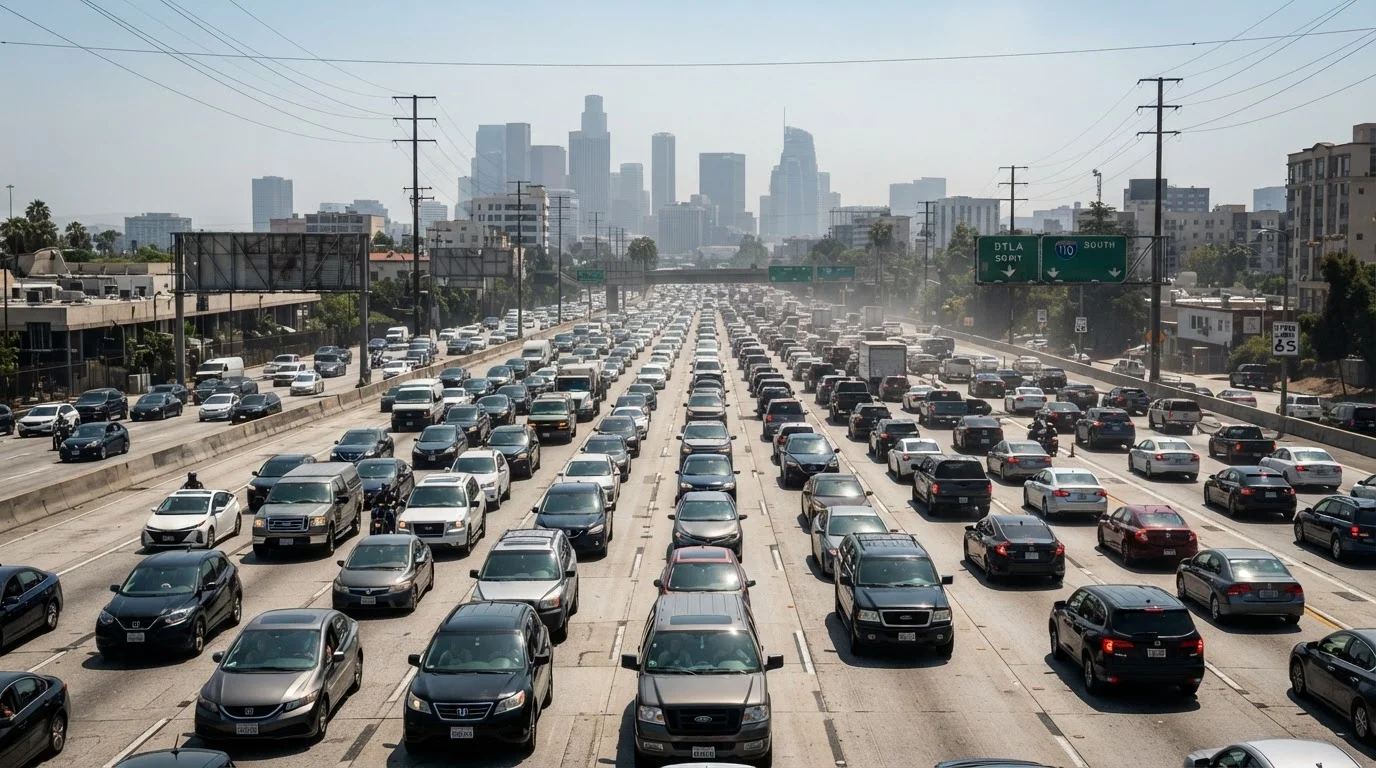
Photo credit: InfoHorizon.net | Access To Informative Content
In this article
Road rage incidents can escalate fast. Understand what fuels aggressive driving and what practical steps can keep a tense situation from becoming dangerous.
Key Takeaways
- Road rage is often triggered by traffic delays, perceived disrespect, and personal stress carried into the car.
- Avoiding eye contact and refusing to retaliate are the most effective immediate de-escalation actions.
- Your own driving habits - like tailgating or cutting off others - can unintentionally provoke aggressive responses.
- If a situation feels threatening, drive to a public place or a police station rather than stopping or engaging.
- Defensive driving principles directly reduce the frequency of road rage encounters.
What Road Rage Actually Is - and Why It's Dangerous
Road rage refers to aggressive or violent behavior by a driver triggered by conflict or frustration on the road. It goes beyond everyday irritation. Road rage can escalate from horn honking and rude gestures to deliberate vehicle ramming or physical confrontations outside the car. The National Highway Traffic Safety Administration (NHTSA) distinguishes road rage - which may involve criminal behavior - from the broader category of aggressive driving, which includes speeding, tailgating, and unsafe lane changes.
What makes road rage genuinely dangerous is its speed of escalation. A minor perceived slight, like someone failing to signal before merging, can ignite within seconds into a situation that puts multiple drivers at risk. Understanding the root causes gives you a meaningful edge in preventing it - both in your own reactions and in how you respond to others.
For a broader look at staying safe from day-to-day hazards, see our guide to defensive driving principles.
Common Triggers: What Sets Drivers Off
Road rage rarely comes from nowhere. Researchers and traffic safety experts have consistently identified a cluster of conditions that lower a driver's threshold for anger:
- Traffic congestion and delays: Stop-and-go traffic creates frustration and a sense of lost control - a reliable recipe for tension.
- Perceived disrespect: Cutting someone off, failing to yield, or refusing to let a driver merge can feel like a personal affront, even when the other driver made a simple mistake.
- Tailgating: Few things agitate drivers faster than another vehicle riding their bumper. Our article on why tailgating is more dangerous than most drivers realize explains how it compounds crash risk as well.
- Pre-existing stress: Drivers who are already tense - from work pressure, lack of sleep, or personal conflict - have a shorter emotional fuse before they even turn the key.
- Anonymity behind the wheel: The psychological distance of being inside a vehicle reduces normal social inhibitions, making some people more willing to act aggressively than they would face-to-face.
80%
Drivers who report experiencing road rage
According to AAA Foundation for Traffic Safety research, roughly 80% of drivers reported experiencing significant anger, aggression, or road rage while driving at least once in a given year.
~56%
Road rage incidents involving firearms
Everytown for Gun Safety has reported that a substantial share of documented road rage incidents in the U.S. involved a firearm, underscoring the potential for rapid escalation.
Best Practices for De-escalating a Road Rage Situation
Whether you've been on the receiving end of aggression or feel your own temper rising, the following practices can prevent a tense moment from becoming a dangerous one.
Do not retaliate or match the other driver's aggression
Responding to aggression with aggression is the single most common way a manageable conflict becomes dangerous. Retaliating - whether with a gesture, a horn blast, or speeding up - signals to an already agitated driver that the confrontation is mutual and worth escalating. Your priority is getting home safely, not winning a dispute on the road.
Avoid prolonged eye contact with an aggressive driver
Direct eye contact in a conflict situation can be interpreted as a challenge or provocation. It keeps the confrontation alive and emotionally charged. Disengaging visually signals that you are not interested in escalating.
Give yourself more space - front and rear
Maintaining generous following distance gives you more reaction time if an aggressive driver brakes suddenly and reduces the likelihood that your driving will be perceived as tailgating. A buffer zone is both a physical safety net and an emotional signal that you pose no threat.
If followed or threatened, drive to a populated public location
Never drive home or to an isolated area if you believe another driver is following you with hostile intent. Stopping, exiting the vehicle, or engaging verbally outside the car vastly increases your personal risk. Public locations and police stations are effective deterrents.
Audit your own driving habits for unintentional provocations
Many road rage incidents are triggered by driving behaviors the instigating driver doesn't even realize they're doing - slow merging, blocking the passing lane, or sudden braking. Regularly reflecting on your own habits reduces the likelihood that you'll unknowingly set someone else off.
Quick Actions You Can Take Right Now
Managing road rage doesn't require a complete behavioral overhaul - small, immediate adjustments to how you drive and how you respond make a measurable difference. Start with these:
Your Driving Affects Other People's Moods
Aggressive driving behaviors like tailgating and sudden lane changes don't just raise crash risk - they actively raise the stress levels of drivers around you. A predictable, courteous driving style acts as a form of passive de-escalation before any conflict starts. Think of consistent signaling and smooth acceleration as social signals that help maintain a calmer traffic environment for everyone.
Road rage incidents don't occur in isolation - they're shaped by the driving environment. High-speed settings like highways and dense urban corridors both carry distinct risk profiles. See how attention demands shift between urban and highway driving for context on managing stress across different road types.
This article is for general informational purposes only. For specific safety concerns or legal situations involving road rage, consult a qualified professional or contact local law enforcement.

Author
Cars Editorial Team
Cars Editorial Team is the collective byline for our editorial team and contributor network. Articles published under this byline or an editorial pen name are researched, written, and reviewed according to our editorial standards for clarity, consistency, and independence before publication.
View all articles →