
What Your Dashboard Warning Lights Are Actually Telling You
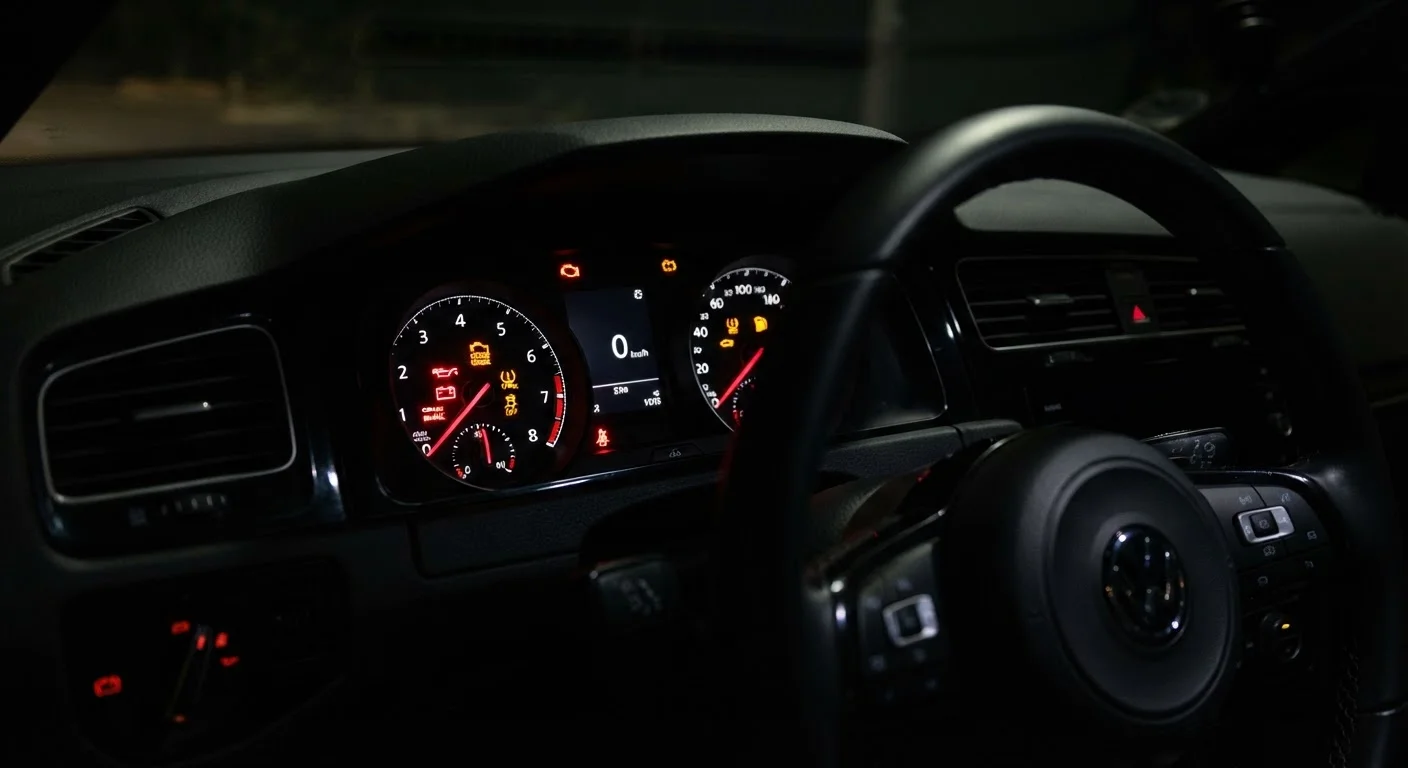
Photo credit: InfoHorizon.net | Access To Informative Content
In this article
A plain-language reference to common dashboard warning symbols, what triggers them, and when to act immediately.
Why Warning Lights Exist - and Why Color Matters
Your vehicle's warning lights are part of the onboard diagnostics system, a network of sensors that constantly monitors engine performance, fluid levels, safety systems, and more. When something falls outside acceptable parameters, the system flags it on your instrument cluster.
Color coding is the fastest way to gauge urgency:
- Red - Stop driving as soon as it is safe to do so. A red light signals a condition that can cause immediate engine damage, a safety hazard, or both.
- Amber/Yellow - Attention required soon. The vehicle is drivable for now, but you should schedule service promptly.
- Green/Blue - Informational only. A system is active (headlights, cruise control). No action needed.
When in doubt about any unfamiliar symbol, consult your owner's manual first - it contains the definitive reference for your specific vehicle. Pairing that habit with a solid maintenance schedule keeps most warnings from catching you off guard.
| Red light urgency | Stop driving as soon as safe |
| Amber light urgency | Schedule service within days to a week |
| Flashing check engine light | Reduce speed; seek service immediately |
| Tire pressure spec location | Driver's door jamb sticker |
| OBD standard applies to | All U.S.-sold vehicles from 1996 onward |
The Lights You Should Never Ignore
Some warning lights demand immediate attention. Continuing to drive when these appear risks engine failure, fire, or loss of vehicle control.
Engine Temperature (Red Thermometer)
Indicates the coolant is too hot. Pull over safely, shut off the engine, and allow it to cool before checking coolant levels. Never open the radiator cap on a hot engine. Driving through an overheating condition can warp cylinder heads - a repair that runs into thousands of dollars.
Oil Pressure (Red Oil Can)
Low oil pressure means engine components are not being lubricated. Stop the engine immediately, check the oil level with the dipstick, and add oil if low. If oil is full and the light remains, the vehicle needs a mechanic - not another mile of driving.
Battery / Charging System (Red Battery Icon)
The vehicle is running on stored battery power rather than the alternator. Electrical systems will begin failing within minutes to hours. Minimize electrical loads and get to a service center without delay. For deeper context on battery health and warning signs, see car battery basics.
Brake System (Red BRAKE or Exclamation)
Could indicate low brake fluid, a hydraulic failure, or an engaged parking brake. Release the parking brake first. If the light persists, brake performance may be compromised - do not continue driving.
Onboard Diagnostics (OBD)
A standardized system built into all cars sold in the U.S. after 1996 that monitors vehicle systems and stores fault codes when something deviates from normal operating parameters.
Fault Code (DTC)
A Diagnostic Trouble Code stored by the vehicle's computer when a sensor reading falls outside acceptable limits. A mechanic or diagnostic tool reads these codes to pinpoint the source of a warning light.
TPMS
Tire Pressure Monitoring System - sensors inside each wheel that alert the driver when tire pressure drops significantly below the recommended level.
Catalytic Converter
An emissions control device in the exhaust system that converts harmful combustion byproducts into less harmful gases. A misfiring engine can damage it rapidly and expensively.
Alternator
The component driven by the engine that generates electrical power to run the vehicle's systems and recharge the battery while the engine is running.
Amber Lights: Act Soon, Not Immediately
These lights indicate a developing issue. The car is typically drivable, but waiting weeks - or ignoring them entirely - can turn a minor service need into a significant repair.
Check Engine (Amber Engine Outline)
The most misunderstood light on any dashboard. It is triggered by a fault code from the engine management system and can represent anything from a loose gas cap to a failing catalytic converter. A steady amber check engine light warrants a diagnostic scan within a few days. A flashing check engine light means the engine is misfiring - reduce speed and seek service immediately to avoid catalytic converter damage.
Tire Pressure Monitoring System - TPMS (Amber Exclamation in Tire)
One or more tires have dropped below the recommended pressure. Check and inflate tires to the specification found on the driver's door jamb sticker, not the tire sidewall. Proper tire pressure affects handling, fuel economy, and tire longevity.
Traction Control / Stability Control Off (Amber Car with Wavy Lines)
If this appears without you manually disabling the system, a sensor or module may have faulted. These systems are part of the vehicle's active safety architecture - schedule a diagnostic. For broader context on vehicle stability and safe driving habits, our guide on defensive driving principles is a useful companion read.
Service Engine Soon / Maintenance Required
A mileage-interval reminder, not a fault alert. Schedule your next oil change or scheduled service per the owner's manual.
Before any long trip, run through a pre-trip safety checklist to catch developing issues before they become roadside emergencies.
Your Owner's Manual Is the Authoritative Source
Warning light symbols are not fully standardized across every make and model. Some manufacturers use proprietary icons or combine system alerts differently. Always cross-reference any unfamiliar light with your vehicle's owner's manual before drawing conclusions. If you've purchased a used vehicle and don't have a manual, most manufacturers offer digital versions on their official websites.

Author
Cars Editorial Team
Cars Editorial Team is the collective byline for our editorial team and contributor network. Articles published under this byline or an editorial pen name are researched, written, and reviewed according to our editorial standards for clarity, consistency, and independence before publication.
View all articles →