
Tire Rotation, Balancing, and Alignment: The Differences That Matter
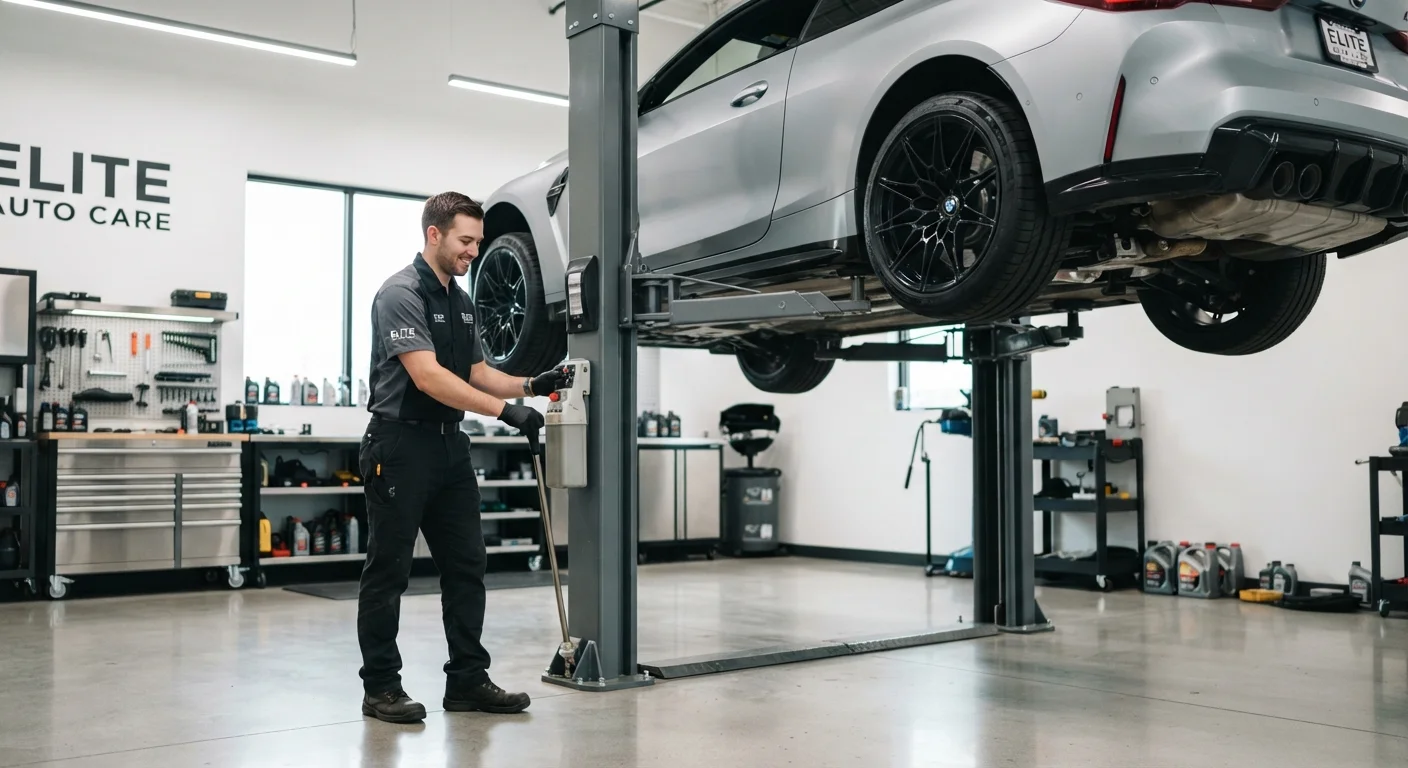
Photo credit: InfoHorizon.net | Access To Informative Content
In this article
These three tire services are often confused. Here's what each one does, how often you need them, and why skipping them costs more later.
Key Takeaways
- Tire rotation moves tires between positions to even out tread wear across all four.
- Balancing corrects weight imbalances in the wheel-tire assembly that cause vibration.
- Alignment adjusts the angles of your wheels so they make proper contact with the road.
- Each service has a different interval and addresses a completely different mechanical issue.
- Skipping any one of these can accelerate tire wear and lead to costlier repairs down the road.
Why These Three Services Get Confused
Rotation, balancing, and alignment are often lumped together in conversations about tire care - and shops sometimes bundle them in service packages - but they solve completely different problems. Confusing them leads drivers to either skip a necessary service or pay for one that won't address the symptom they're actually experiencing.
Think of it this way: rotation is about where the tires sit on your car, balancing is about how evenly weight is distributed in each wheel-tire assembly, and alignment is about the angle at which your tires meet the road. All three matter for tire longevity and safe handling, and none can stand in for the others. For a broader look at how these fit into your overall service schedule, see Your Car's Maintenance Schedule, Explained.
| Tire Rotation | Wheel Balancing | Wheel Alignment | |
|---|---|---|---|
| What it fixes | Uneven tread wear across positions | Vibration from weight imbalances | Pulling, drift, edge tread wear |
| Typical interval | Every 5,000-7,500 miles | When tires are remounted or vibration appears | Annually or after impact |
| Equipment needed | Lift and basic tools | Computerized balancing machine | Alignment rack with sensors |
| Common symptom if skipped | Premature uneven tire wear | Steering wheel vibration at speed | Car pulls to one side, edge wear |
| DIY feasible? | Possible but requires lift | No - machine required | No - specialized equipment needed |
| Relative cost | Low | Low to moderate | Moderate |
Tire Rotation: Evening Out the Wear
Your tires don't wear at the same rate. Front tires on front-wheel-drive vehicles handle both steering and power delivery, so they wear faster - often significantly faster than the rear pair. Rotation simply moves tires to different positions on the vehicle in a prescribed pattern (front-to-rear, cross, or X-pattern depending on your drivetrain) so that wear distributes more evenly over time.
Most manufacturers recommend rotation every 5,000 to 7,500 miles, though your owner's manual is the authoritative source for your specific vehicle. Many drivers conveniently align rotation with oil changes. The cost is typically low, and the payoff is straightforward: tires that wear evenly last longer and can be replaced as a set rather than in pairs prematurely.
Combine Rotation With a Pressure Check
Each time you rotate your tires, reset the tire pressure to the vehicle manufacturer's recommended PSI - found on the sticker inside the driver's door jamb, not on the tire sidewall. Tires naturally lose 1-2 PSI per month, and rotation visits are a natural checkpoint. Proper pressure also supports even wear and fuel efficiency.
Wheel Balancing: Smoothing Out Vibration
Even a new tire mounted on a wheel isn't perfectly uniform in weight distribution. Small variations in the tire's construction or the wheel's casting can create imbalances. When the wheel spins at highway speeds, those imbalances generate vibration - often felt as a shimmy in the steering wheel or a buzz through the seat at 55-70 mph.
A technician uses a balancing machine to spin each wheel and detect heavy spots, then attaches small counterweights to the rim to compensate. Balancing is typically recommended whenever tires are dismounted and remounted - such as during a seasonal tire swap - and any time a vibration symptom appears. Driving on unbalanced tires accelerates tread wear in specific spots and can put stress on suspension components.
It's worth noting that balancing and rotation are often performed together, but they're separate procedures requiring different equipment and addressing different root causes. Skipping balancing while rotating tires doesn't solve a vibration problem. See how this connects to broader repair costs in The Real Cost of Skipping Routine Maintenance.
Wheel Alignment: Getting the Angles Right
Alignment refers to the precise geometric angles at which your tires contact the road. Three primary measurements matter: camber (the inward or outward tilt of the tire when viewed from the front), toe (whether tires point inward or outward relative to the vehicle's centerline), and caster (the angle of the steering axis viewed from the side). When these are off - due to hitting a pothole, curb impact, or gradual wear on suspension components - the vehicle may pull to one side, the steering wheel may sit off-center, or tires may wear heavily on one edge.
Alignment requires a specialized rack and precise computerized measurement. It's generally recommended annually or whenever you notice pulling, uneven edge wear, or after a significant impact. It is not something that corrects itself over time. Misalignment quietly destroys tires and strains steering and suspension parts - costs that compound if ignored. For a structured way to catch this and other issues early, consider running through the Annual Car Maintenance Audit.
Don't Ignore Pulling or Uneven Edge Wear
If your car consistently drifts to one side or your tires show wear concentrated on the inner or outer edge, treat it as an alignment issue until proven otherwise. Continuing to drive on a misaligned vehicle accelerates tire destruction and can stress ball joints and tie rod ends - components that are significantly more expensive to replace than an alignment service.
How to Coordinate All Three
The practical approach is to treat rotation as your most frequent tire service, scheduled with your oil changes. Use those visits to also inspect tire pressure and tread depth. Balancing should happen whenever tires are dismounted or a vibration symptom emerges. Alignment deserves a dedicated check at least once a year - or immediately if your car shows any pulling or steering symptoms.
Some drivers mistakenly believe that if they haven't noticed a problem, these services can be skipped indefinitely. That logic is addressed directly in Car Maintenance Myths That Are Costing Drivers Money. The reality is that misalignment and imbalance often develop gradually and go unnoticed until tire damage is already done. There are also other easily overlooked services worth adding to your radar - Overlooked Maintenance Tasks That Many Drivers Never Think About covers several that rarely make it onto drivers' checklists.

Author
Cars Editorial Team
Cars Editorial Team is the collective byline for our editorial team and contributor network. Articles published under this byline or an editorial pen name are researched, written, and reviewed according to our editorial standards for clarity, consistency, and independence before publication.
View all articles →