
The Real Cost of Skipping Routine Maintenance
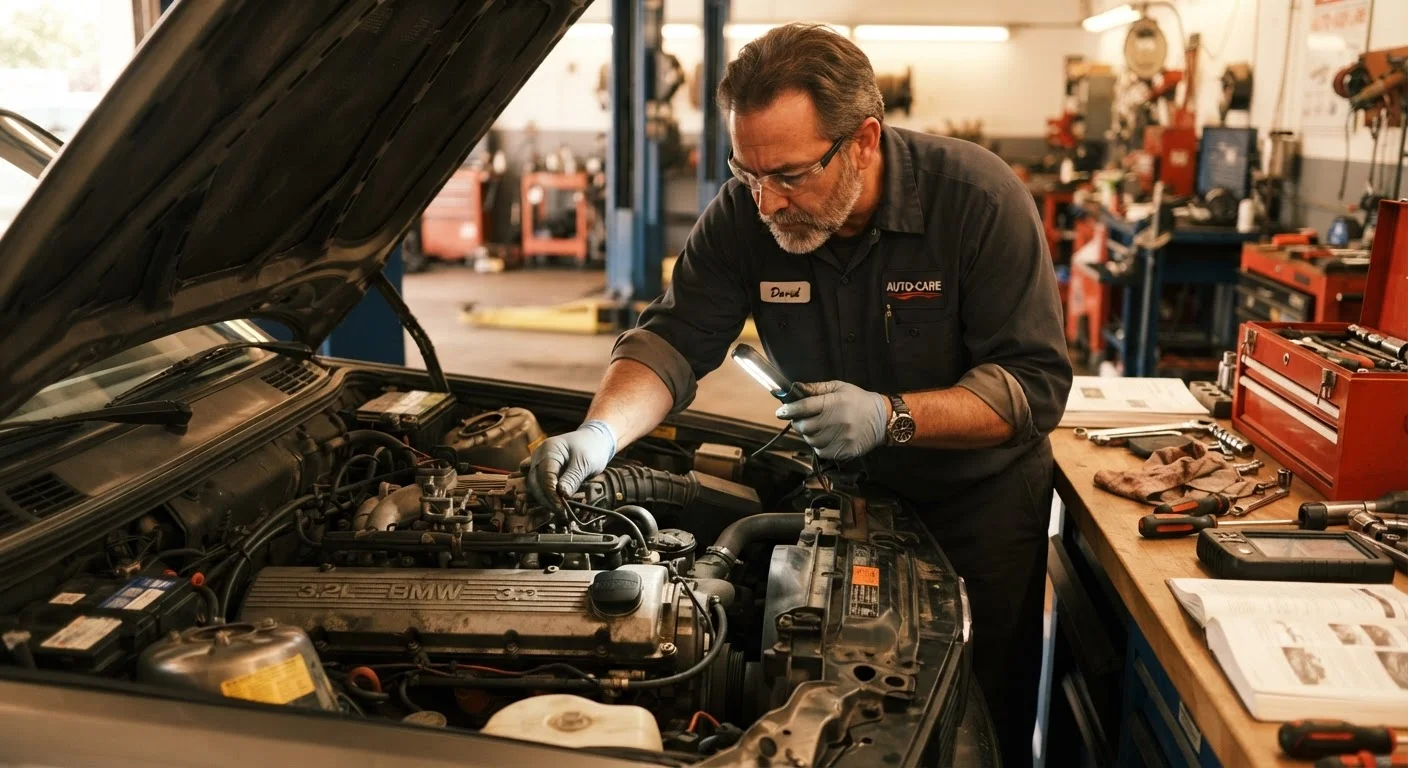
Photo credit: InfoHorizon.net | Access To Informative Content
In this article
Delaying an oil change or ignoring a slow tire leak can snowball into major repairs. Here's what the research and mechanics say.
Key Takeaways
- Skipping an oil change can lead to sludge buildup and eventual engine failure costing thousands.
- A neglected slow tire leak increases blowout risk and uneven wear, requiring premature replacement.
- Deferred brake service - pads worn past their limit - can damage rotors and calipers dramatically.
- Most routine maintenance costs a fraction of the repair bill that results from skipping it.
- Your owner's manual is the most reliable guide to service intervals for your specific vehicle.
Small Skips, Big Consequences
Most drivers know they should change their oil and rotate their tires. But when life gets busy, it's easy to push these tasks down the priority list. The problem is that vehicle components don't pause while you're waiting to get around to it - they keep wearing, degrading, and stressing adjacent parts.
The pattern is consistent and well-documented in the repair industry: a minor, inexpensive service that gets skipped creates conditions for a much more expensive failure downstream. Understanding that chain reaction is the first step to breaking it.
Start With Your Owner's Manual
Your vehicle's owner's manual contains the manufacturer-recommended service intervals for every major system - and it's specific to your engine, transmission, and drivetrain. Drivers who follow it, rather than generalized rules of thumb, tend to catch issues earlier and spend less on unplanned repairs over the vehicle's life.
The Oil Change Domino Effect
Engine oil lubricates hundreds of moving metal parts and carries heat and debris away from critical surfaces. As oil ages, its viscosity breaks down and contaminants accumulate. What begins as degraded lubrication becomes sludge - a thick, tar-like residue that clogs oil passages and starves engine components of lubrication.
The repair costs that follow - from worn camshafts and rod bearings to full engine replacement - can easily exceed $4,000 to $10,000. The oil change that could have prevented it costs a fraction of that.
$1,200+
Average cost of engine sludge-related repair
Industry repair data consistently shows engine damage from oil neglect falls in the $1,200-$10,000 range depending on severity and vehicle type.
10-25%
Fuel efficiency loss from underinflated tires
The U.S. Department of Energy notes that underinflated tires can reduce fuel economy by up to 0.2% for every 1 PSI drop, with cumulative losses adding up significantly over time.
2-3x
Cost multiplier when brake pads go metal-on-metal
Automotive repair estimates consistently show rotor damage from worn-through pads typically doubles or triples the total brake service cost compared to pad replacement alone.
It's also worth separating fact from folklore here. The once-universal "change every 3,000 miles" rule no longer applies to most modern vehicles. See our breakdown of common maintenance myths for what current best practices actually say.
Tires, Brakes, and the Safety Dimension
Maintenance neglect isn't only about money - it's about risk. A slow tire leak left unaddressed reduces handling stability and raises the probability of a sudden blowout at highway speed. Underinflated tires also wear unevenly, shortening their usable life and reducing fuel efficiency. The consequences of a tire blowout at speed can be severe and are largely preventable.
Brake pads are similarly unforgiving. Each pad has a wear indicator that squeals when the friction material gets thin. Ignore that signal long enough and the metal backing plate contacts the rotor directly - scoring, warping, or cracking it. A straightforward pad swap becomes a full brake system job.
Warning Lights Are Designed to Be Heeded
Modern vehicles use onboard diagnostics to monitor dozens of systems in real time. When a warning light activates - whether for oil pressure, tire pressure, or brake wear - it reflects a sensor threshold being crossed, not a suggestion. Addressing warning lights promptly is one of the lowest-cost ways to prevent escalation into a major repair.
The Services Drivers Most Often Overlook
Oil and tires get attention because they're well-known. But cabin air filters, coolant flushes, transmission fluid, and differential fluid often go unserviced for years - sometimes for the life of the vehicle. Dirty transmission fluid loses its ability to protect gear surfaces and manage heat, and transmission repairs routinely run $1,500 to $4,000.
Our guide to overlooked maintenance tasks covers the services that rarely make the radar but add up quietly over time.
If you're unsure where your vehicle currently stands, a structured annual maintenance audit is a practical way to catch deferred items before they escalate. And for vehicles with higher mileage, maintenance priorities shift in ways worth understanding.
“The driver who spends $50 on an oil change every few months is not spending money - they're protecting a $20,000 or $30,000 asset. The math isn't complicated; it's just easy to ignore when nothing seems wrong yet.”
— A Senior Automotive Service Advisor, Certified automotive technician with over 20 years in dealership service departments
Making Maintenance a Habit, Not a Crisis
The most effective approach to vehicle maintenance is a simple one: follow the schedule in your owner's manual and keep records. Set calendar reminders tied to your mileage or service dates. When a warning light appears, address it promptly rather than waiting to see if it clears on its own.
Some maintenance tasks are straightforward enough for a capable home mechanic, while others require professional tools and expertise. Understanding that boundary matters - our piece on DIY versus professional service helps drivers make that call with confidence.
Routine maintenance is not an expense to minimize - it's an investment in the reliability and longevity of one of your most essential assets. The cost of staying current almost always beats the cost of catching up after something fails.
Frequently Asked Questions

Author
Cars Editorial Team
Cars Editorial Team is the collective byline for our editorial team and contributor network. Articles published under this byline or an editorial pen name are researched, written, and reviewed according to our editorial standards for clarity, consistency, and independence before publication.
View all articles →