
Rain, Ice, Snow, and Fog: Adjusting Your Driving for Every Condition
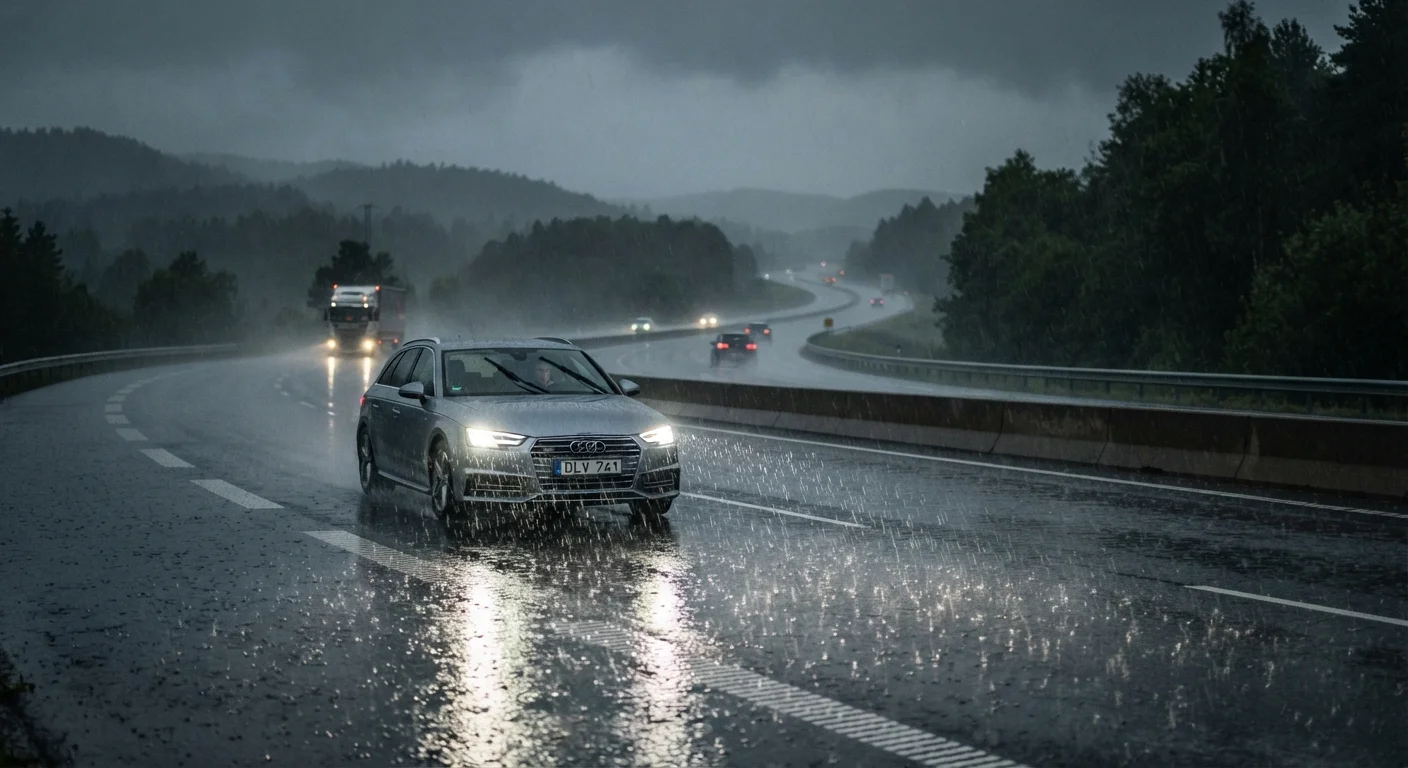
Photo credit: InfoHorizon.net | Access To Informative Content
In this article
Each weather condition demands a different set of adjustments. Here's how to modify your speed, spacing, and awareness for safer travel.
Key Takeaways
- Reduce speed well below the posted limit in rain, ice, snow, or fog - conditions multiply stopping distance significantly.
- Increase following distance to at least double or triple your normal gap in adverse weather.
- Use low-beam headlights in fog; high beams reflect back and reduce your own visibility.
- Black ice is nearly invisible - treat any below-freezing, wet-looking pavement as potentially icy.
- Knowing when not to drive is a core part of weather-aware decision-making.
Why Weather Demands a Different Mental Model
Driving in adverse weather isn't simply a matter of slowing down - it requires rethinking your entire approach to speed, space, and hazard anticipation. The same road you drive daily in dry conditions becomes a fundamentally different environment when covered in rain, ice, snow, or fog. Friction, visibility, and reaction time all change simultaneously, and your habits from clear-day driving can work against you.
Understanding this shift is a core element of defensive driving. Weather-aware drivers don't just react to what's happening in front of them - they anticipate surface changes, adjust their positioning, and make decisions earlier. It also helps to ensure your vehicle is mechanically ready before conditions deteriorate. Our guide on seasonal car care covers the maintenance steps that directly affect how your car handles in each season.
What you will need
All-season or winter tires with adequate tread
Tread depth and compound directly determine grip on wet, icy, or snowy pavement.
Working windshield wipers and washer fluid
Clear wipers are essential for maintaining visibility in rain, snow, and sleet.
Functioning front and rear defrosters
Defrosters clear ice and condensation from glass, eliminating dangerous blind spots.
Emergency kit (blanket, ice scraper, flashlight, jumper cables)
Provides basic safety resources if you become stranded in winter conditions.
Step-by-Step: Adjusting for Rain, Ice, Snow, and Fog
Each condition below has distinct risks and demands specific adjustments. Work through these steps whenever you encounter changing weather - and revisit them as a mental refresher before any seasonal transition.
When to Stay Off the Road
No destination is worth a preventable crash. If local authorities issue a travel advisory, roads are icing rapidly, or visibility drops below a few car lengths, seriously consider delaying your trip. Your vehicle's safety systems help - but they cannot fully overcome physics on severely compromised road surfaces.
Adjust your speed before conditions demand it
The single most effective change you can make in adverse weather is to slow down before you feel unsafe - not after. Posted speed limits reflect ideal dry-road conditions. In rain, your stopping distance increases substantially; on ice or packed snow, it can multiply several times over. Aim to reduce your speed by at least 10-15 mph below the limit in moderate rain, and significantly more in snow or ice. Understand how speed and surface conditions combine by reviewing the science behind stopping distance.
Increase your following distance dramatically
The standard three-second following gap is a minimum for dry roads. In rain, extend it to at least five or six seconds. On ice or snow, eight to ten seconds is a reasonable baseline. A larger gap gives you more time to react and more room to stop without locking up your brakes. This also reduces the risk of rear-ending a vehicle that slows suddenly on a hidden patch of ice.
Manage rain: use lights, wipers, and smooth inputs
Turn on your headlights whenever your wipers are running - it's the law in many states and always improves your visibility to other drivers. Avoid hard braking or sharp steering inputs on wet pavement, as both can trigger hydroplaning. If your vehicle begins to hydroplane, ease off the accelerator calmly and steer gently in the direction you want to go. Do not brake sharply. Puddles near curbs can be deeper than they appear - slow before passing through them.
Identify and respond to ice, including black ice
Ice is most hazardous precisely because it can be nearly invisible. Black ice - a thin, transparent glaze - appears as ordinary wet pavement but offers almost no traction. It forms most readily on bridges, overpasses, shaded road sections, and in the early morning hours when temperatures hover near or below freezing. If your vehicle begins to skid, steer gently in the direction you want the front of the car to go and avoid panic-braking. ABS (anti-lock braking system) will modulate brake pressure automatically - apply firm, steady pressure and let the system work.
Navigate snow: momentum, lanes, and braking
In snow, momentum is your ally - losing it on a hill can leave you stranded. Approach hills at a steady, measured speed and avoid stopping mid-climb if at all possible. Stay in established tire tracks where compacted snow may offer slightly more grip than fresh powder. When braking, apply pressure steadily rather than stomping the pedal. If your vehicle lacks ABS, use threshold braking - press to just below the point of wheel lockup.
Drive through fog: slow down and use low beams
Fog is uniquely deceptive because it creates an illusion that you're moving more slowly than you are. Your first instinct - to drive faster to get through it - is exactly wrong. Reduce speed, use low-beam headlights (high beams reflect off water droplets and reduce visibility further), and activate your rear fog lights if your vehicle has them. Use the right edge of the road or lane markings as a guide rather than the center line. Increase following distance well beyond what feels necessary; fog dramatically shrinks the distance at which you can detect a stopped vehicle ahead. Fog often pairs with night conditions - the same caution described in our night driving visibility guide applies here.
Don't Rely Solely on AWD or 4WD
All-wheel drive and four-wheel drive improve traction when accelerating but do not shorten your stopping distance on ice or snow. Drivers of AWD vehicles sometimes carry excess speed into corners or follow too closely, creating a false sense of invincibility. Braking physics apply equally to every drivetrain configuration.
Pre-Trip Preparation Makes a Difference
Before driving in any adverse condition, confirm your wipers, defrosters, and lights are functioning properly. Tires at the correct pressure and with adequate tread depth are your most important weather-handling tool. See our driver's pre-trip safety checklist for a full review before heading out.

Author
Cars Editorial Team
Cars Editorial Team is the collective byline for our editorial team and contributor network. Articles published under this byline or an editorial pen name are researched, written, and reviewed according to our editorial standards for clarity, consistency, and independence before publication.
View all articles →