
Before You Book That Hawaii Trip: Realistic Expectations Across the Islands
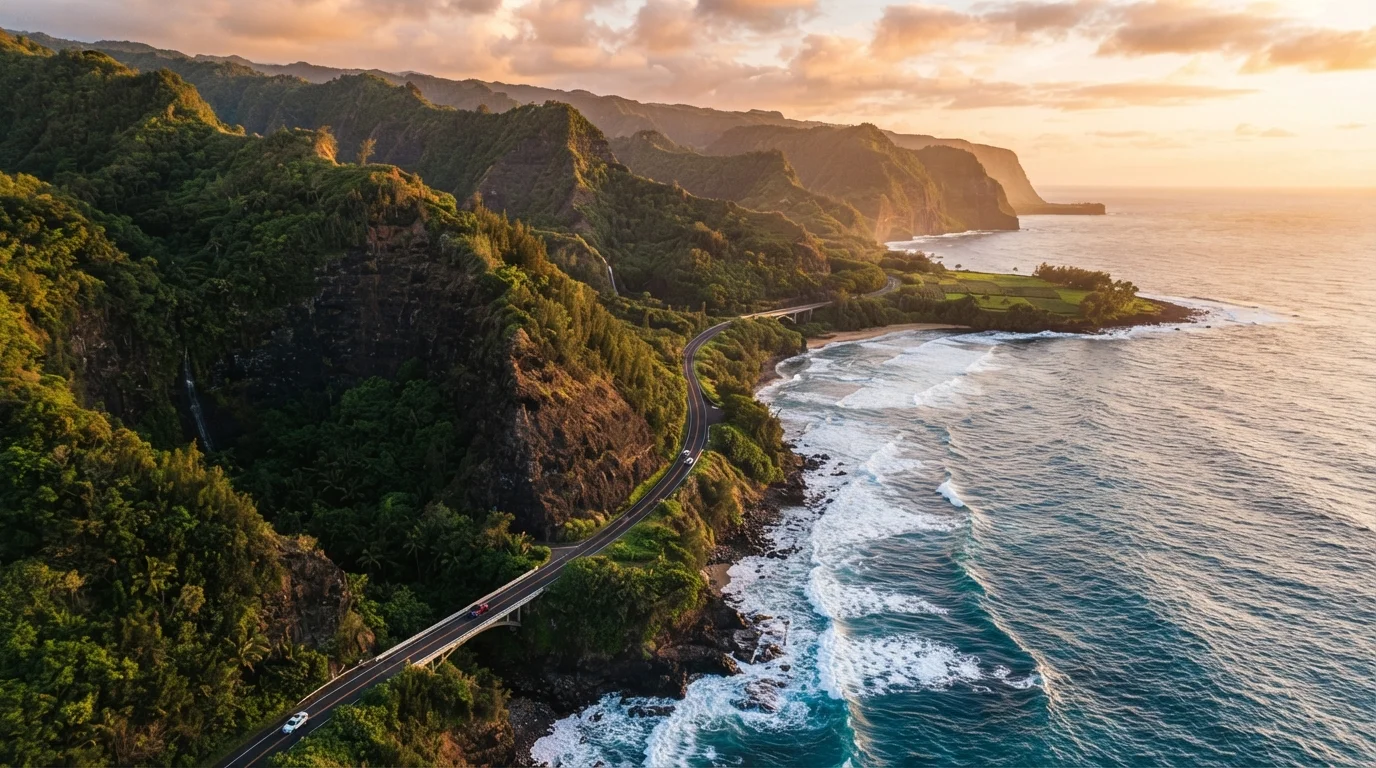
Photo credit: InfoHorizon.net | Access To Informative Content
In this article
Each Hawaiian island has a distinct character and limitations. Here's what travelers frequently misunderstand before their first visit.
Key Takeaways
- Hawaii's six visitor islands are distinct destinations — choosing the wrong one can derail your trip.
- Rain, crowds, and road closures are common realities that guidebooks often underemphasize.
- Inter-island flights add real cost and time that many first-timers don't budget for.
- Some of Hawaii's most iconic natural sites require permits, reservations, or strenuous hikes.
- Understanding each island's character before booking prevents costly disappointment.
Not All Islands Are Interchangeable
First-time visitors often treat Hawaii as a single, uniform paradise — white sand, palm trees, and endless sunshine. The reality is far more nuanced. Oahu is urbanized and fast-paced, anchored by Honolulu and Waikiki's dense hotel strips. Maui offers a polished resort experience with heavy tourist infrastructure. The Big Island (Hawaii Island) is geologically raw — two-thirds of it receives little rainfall, while the Hilo side is rainforest-wet. Kauai is remote, green, and dramatically rugged. Molokai and Lanai are intentionally quiet and underdeveloped.
Choosing an island based on a friend's glowing vacation photos without researching its character is one of the most common planning mistakes. A traveler craving nightlife and convenience on Kauai, or expecting lush greenery on the Big Island's Kona coast, is likely to be disappointed. Doing focused pre-trip research for each specific island — not just Hawaii in general — pays real dividends.
Myth
Hawaii has perfect sunny weather year-round across all the islands.
Fact
Each island has microclimates that vary dramatically by elevation and coastline — rain, wind, and fog are common depending on where you are.
The windward (northeastern) sides of all Hawaiian islands receive heavy rainfall. Kauai's Mount Waialeale is one of the rainiest spots on Earth. Even in summer, clouds and showers are routine on windward coasts. Checking the specific weather patterns of your resort area — not just the island overall — is essential before packing.
Myth
You can easily visit multiple islands in one week without losing much time.
Fact
Inter-island travel consumes significant time and money; visiting more than two islands in a week leaves little time to experience either properly.
Each inter-island flight, including airport arrival time, security, and transit, typically takes three to four hours door-to-door. Factoring in hotel check-in and check-out logistics, a multi-island week often means spending two to three days in transit. Most experienced Hawaii travelers recommend spending at least five to seven days on a single island for a genuinely restful trip.
Myth
All Hawaiian beaches are public and freely accessible.
Fact
Beach access is generally protected by state law, but reaching some beaches requires paid entry, advance permits, or significant hiking.
While Hawaii law guarantees public access to the shoreline, the paths to many beaches cross private land or require fees and reservations. Hanauma Bay has a mandatory entry fee and advance booking system. Some beaches on Lanai and Molokai require 4WD vehicles on unpaved roads. Research specific beach access logistics before building them into your itinerary.
Myth
The Big Island is mostly lush and tropical, like the other islands.
Fact
The Big Island contains nearly every climate zone on Earth — its western Kona-Kohala coast is arid and desert-like, while the eastern Hilo side is a true rainforest.
The Big Island's sheer size and volcanic geography create stark contrasts. Visitors staying in the Kohala Coast resorts encounter dry, rocky lava fields — beautiful, but nothing like the green Hawaii of postcards. Travelers expecting lush jungle should stay on the Hilo side or plan day trips to rainforest zones. Understanding this geography prevents significant disappointment.
Myth
Hawaii is a safe and easy destination for hiking without special preparation.
Fact
Hawaii's trails range from casual to genuinely dangerous — flash floods, steep terrain, and sudden weather changes claim lives each year.
Popular trails like Kauai's Kalalau Trail involve cliff-edge paths above 4,000-foot drops and require permits. Flash flooding in narrow valleys is a documented cause of hiker fatalities. Hawaii's emergency rescue services respond to hundreds of hiker incidents annually. Carrying water, checking trail conditions with official sources, and not venturing beyond your fitness level are non-negotiable precautions.
The Hidden Costs and Logistics Most People Miss
Island-hopping sounds romantic, but many visitors underestimate what it actually involves. Inter-island flights typically run $80–$200 or more per person each way, and that's before baggage fees. Add airport time on both ends and you've burned the better part of a vacation day. For a two-week trip spanning three islands, transportation costs alone can add several hundred dollars per person to your budget — money that rarely shows up in initial planning estimates.
Rental cars are essentially mandatory on most islands outside of Waikiki — and demand is high. Car rental prices in Hawaii have historically run well above mainland averages, particularly during peak travel windows. Food costs, too, are significantly higher than the continental US baseline, driven by the cost of shipping goods across the Pacific. Common assumptions about cheap trip planning often fall apart in Hawaii, where the baseline cost of almost everything is elevated.
10M+
Annual visitor arrivals across Hawaii
According to the Hawaii Tourism Authority, annual visitor arrivals to the state regularly exceed ten million, creating substantial pressure on natural sites and infrastructure.
~3x
Hawaii food costs vs. US mainland average
The Hawaii Department of Business reports grocery and restaurant costs in Hawaii running roughly two to three times higher than continental US averages, driven by shipping dependencies.
Rental Car Availability Can Be Tight
Hawaii has experienced recurring rental car shortages, particularly during peak travel periods and on smaller islands. Booking transportation well in advance — ideally when you book flights — reduces the risk of being stranded or facing surge pricing on arrival. Check cancellation policies carefully so you retain flexibility if plans change.
What the Brochure Version Doesn't Tell You
Hawaii's natural attractions are genuinely spectacular — but many require advance effort that visitors don't anticipate. The Haiku Stairs on Oahu (Stairway to Heaven) are legally off-limits to the public. The Na Pali Coast on Kauai is accessible only by boat, air, or a strenuous multi-day trail requiring a permit. Kilauea volcano activity on the Big Island is dynamic and unpredictable — lava flows are not guaranteed viewing experiences, and closures happen with little notice.
Popular beaches are also far more crowded than promotional photography suggests. Hanauma Bay on Oahu requires advance reservations, charges an entry fee, and has daily visitor caps. Road to Hana on Maui is a full-day commitment with narrow roads, limited passing areas, and high congestion during peak season. Travelers who plan their Hawaii trip the way they'd plan a domestic beach vacation are often caught off guard. A structured approach to trip planning — including understanding what requires reservations — sets realistic expectations and keeps surprises to a minimum.
Verify Entry Requirements and Conditions Before You Go
Trail access, beach reservations, and natural site conditions in Hawaii change frequently — sometimes with very little notice. Always verify current entry requirements, permit availability, and any active closures through official state and national park sources before your departure. Do not rely solely on travel blogs or booking sites for this information, as they may not reflect recent changes.

Author
Travel Editorial Team
Travel Editorial Team is the collective byline for our editorial team and contributor network. Articles published under this byline or an editorial pen name are researched, written, and reviewed according to our editorial standards for clarity, consistency, and independence before publication.
View all articles →