
Free and Low-Cost Activities That Actually Make a Trip Memorable
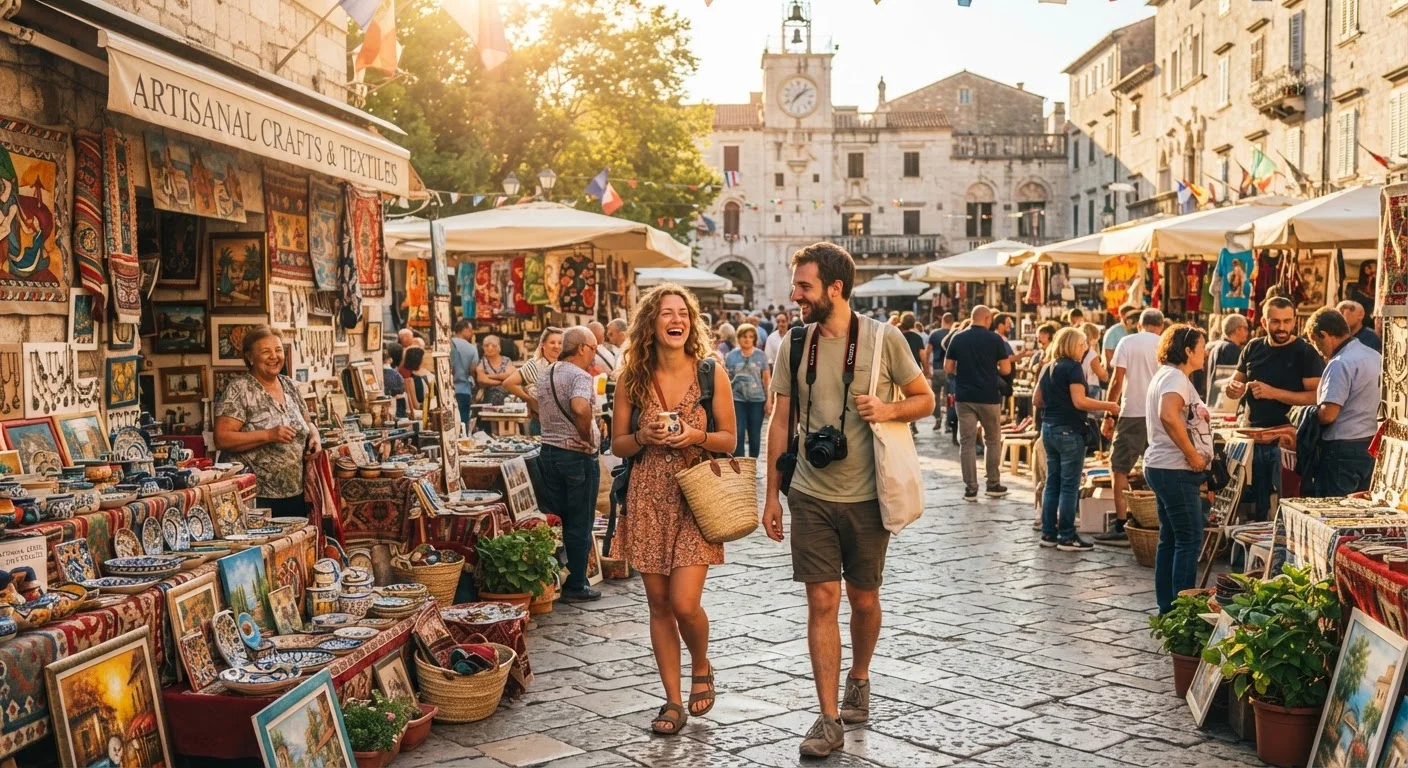
Photo credit: InfoHorizon.net | Access To Informative Content
Some of the richest travel experiences cost nothing. Explore the types of free and low-cost activities worth building your itinerary around.
Key Takeaways
- Free and low-cost activities often create more lasting memories than expensive attractions.
- Public spaces, local markets, and national parks offer rich experiences at minimal or no cost.
- Intentional planning around free activities can dramatically lower total trip spending.
- Slow travel — spending more time in fewer places — naturally reduces daily activity costs.
- Cultural immersion through neighborhoods and community events beats many paid tourist experiences.
Why the Best Moments Often Cost the Least
Ask any seasoned traveler about a trip highlight and they'll rarely name a theme park or a ticketed tour. More often, it's a spontaneous afternoon in a neighborhood they stumbled into, a free outdoor concert, or a conversation with a local at a morning market. That pattern isn't accidental — it reflects something real about how meaningful experiences are actually created.
Budget travel isn't about suffering through a lesser version of a trip. As budget travel principles make clear, it's about being intentional with what you spend so your money flows toward what genuinely matters. Free and low-cost activities aren't consolation prizes — in many cases, they're the main event.
Below are eight types of activities worth building your itinerary around, whether you're exploring domestically or abroad.
Walk the neighborhoods locals actually live in
Tourist districts are designed for visitors. Residential and working neighborhoods are designed for life — and that difference is immediately felt. Wandering a city's non-touristy streets reveals bakeries, murals, community gardens, and the unscripted texture of a place that no guided tour can replicate. Pick a neighborhood off the main drag, leave a few hours free, and just walk. The cost is zero; the payoff is high.
Residential neighborhoods reveal the texture of a place that no guided tour can replicate.
Visit public markets in the morning
Farmers markets, fish markets, and public food halls are among the most culturally rich free experiences available in almost any destination. Morning is the right time — vendors are set up, produce is fresh, and the energy is authentic. You can sample, browse, and observe without spending much. If you do spend a few dollars on local produce or a street snack, consider it one of the best-value meals of the trip.
Public markets in the morning offer cultural richness and authentic energy at minimal cost.
Explore national parks, forests, and public lands
The United States has one of the most extensive systems of publicly accessible natural land in the world. National forests, Bureau of Land Management areas, state parks, and many national park sites are either free or very low cost. Hiking, wildlife watching, swimming in natural bodies of water, and stargazing don't require expensive gear or guided tours. Lesser-known US destinations often include spectacular public lands that see far fewer crowds than marquee parks.
America's vast public lands offer hiking, wildlife, and stargazing at little to no cost.
Attend free community events and festivals
Every city and town runs a calendar of free public programming — outdoor concerts, cultural festivals, street fairs, farmer markets, movie screenings in parks, and local parades. These events aren't designed for tourists, which is exactly what makes them worthwhile. Check municipal websites and community boards a week before you arrive to see what's happening. Some of the most vivid travel memories come from accidentally landing in the middle of a neighborhood block party or a weekend cultural celebration.
Community events not designed for tourists often deliver the most authentic travel memories.
Take advantage of free museum days and public collections
Many major museums offer free admission on specific days or evenings, and some — including Smithsonian Institution museums in Washington, D.C. — are free every day. Public art collections, sculpture gardens, historic sites managed by the National Park Service, and university galleries are frequently free year-round. A little research before your trip can give you access to world-class cultural experiences without paying standard admission prices. Check museum websites directly for their free-access schedules.
Free museum days and public collections provide world-class cultural access at no cost.
Slow down and spend more time in fewer places
One of the most effective cost-reduction strategies in travel is also one of the most enjoyable: slow down. Spending three or four days in a single neighborhood rather than racing between cities means lower transportation costs, fewer rushed paid experiences, and more time to discover what's genuinely free. You find the park bench with the best view. You learn which coffee shop locals actually use. Slow travel is a philosophy, but its financial benefits are concrete — and it consistently produces more satisfying trips. A well-structured itinerary can help you build this kind of intentional pacing from the start.
Slowing down and staying longer in fewer places cuts costs while deepening the experience.
Use libraries, cultural centers, and community spaces
Public libraries in travel destinations are underused gems. Many host free lectures, film screenings, local history exhibits, and language or cultural exchange events. They're also excellent places to pick up local maps, ask staff for neighborhood recommendations, and rest without spending anything. Cultural centers, community theaters with free rehearsal viewings, and public plazas with regular programming round out a category of experiences that most travelers overlook entirely.
Public libraries and cultural centers are underused gems offering free programming and local insight.
Watch the sunrise or sunset from an accessible viewpoint
This sounds simple because it is — and that simplicity is part of its power. Every destination has a viewpoint: a hilltop, a harbor, a rooftop café, a bridge, a beach, or a park ridge. Sunrise and sunset visits are almost always free, often uncrowded, and reliably beautiful. They require no booking, no queue, and no special equipment. As a travel activity, sitting somewhere high and watching light change over a city or landscape is genuinely hard to beat — and it costs nothing at all.
Watching sunrise or sunset from a public viewpoint is free, uncrowded, and genuinely unforgettable.
Making It Work in Practice
The key to a free-activity-rich trip is front-loading your research. City and county tourism websites, public library travel sections, and local event calendars are reliable sources for community festivals, free museum days, and public programming — no booking platform required.
Research Free Days Before You Arrive
Many museums, gardens, and cultural sites rotate their free-admission days weekly or monthly. Check official websites — not third-party aggregators — for accurate schedules. Building your itinerary around those free windows can save $20–$30 per person per day at popular institutions, with no compromise on the experience itself.
Pairing free activities with smart lodging choices stretches your budget even further. Choosing the right affordable stay frees up spending room for the occasional paid experience without guilt. Similarly, keeping food costs reasonable — explored in depth in eating well abroad without draining your wallet — means your overall daily spend stays low even when you're having a full, rich day.
For a complete framework that ties all these strategies together, the full playbook for traveling more while spending less walks through every planning stage. The bottom line: the most memorable trips aren't built on the biggest budgets — they're built on the best choices.

Author
Travel Editorial Team
Travel Editorial Team is the collective byline for our editorial team and contributor network. Articles published under this byline or an editorial pen name are researched, written, and reviewed according to our editorial standards for clarity, consistency, and independence before publication.
View all articles →