
Eating Well Abroad Without Draining Your Wallet
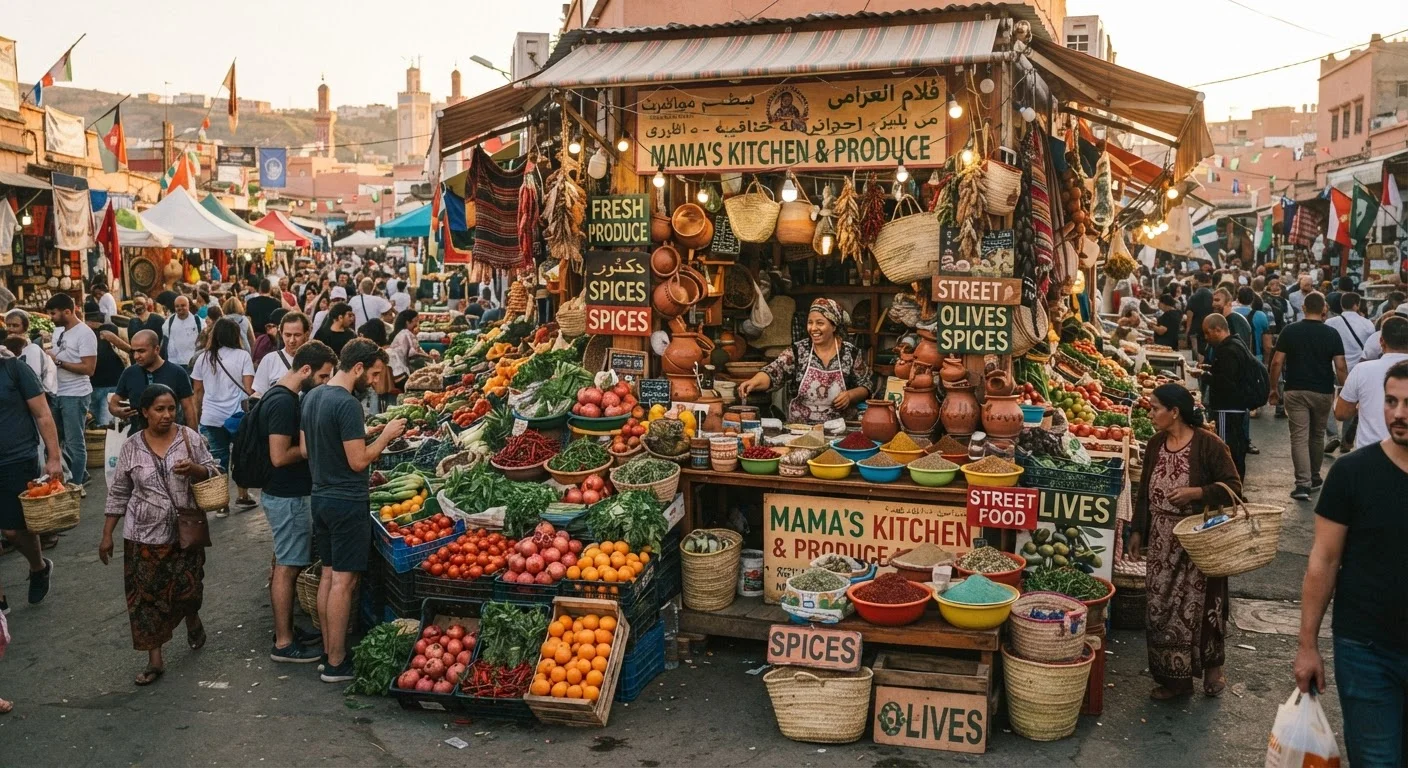
Photo credit: InfoHorizon.net | Access To Informative Content
In this article
Food is one of travel's biggest variable costs. These practical strategies help you eat local, eat well, and keep daily food spending in check.
Key Takeaways
- Eating where locals eat — markets, bakeries, and canteens — usually costs far less than tourist-area restaurants.
- Shifting your biggest meal to midday can cut food costs significantly in many countries.
- A light self-catering routine for breakfasts and snacks dramatically reduces daily food spending.
- Knowing the local tipping culture and menu pricing habits helps you avoid paying more than necessary.
- Setting a daily food budget before you arrive keeps spending on track throughout your trip.
Why Food Spending Sneaks Up on Travelers
Food is one of the most variable line items in any travel budget — and one of the easiest places for spending to quietly spiral. Unlike flights or accommodation, which are booked in advance, food decisions happen multiple times every day, often when you're hungry, tired, or disoriented. The cumulative effect of a few tourist-trap meals, convenience drinks, and impulsive snack stops can easily double what you expected to spend.
The good news: eating well abroad on a sensible budget is genuinely achievable with a handful of intentional habits. The strategies in this guide are used by experienced travelers across a wide range of destinations — from Western Europe to Southeast Asia — and they don't require sacrificing the pleasure of local food. If anything, they tend to push you toward more authentic, memorable meals. This fits squarely into what budget travel is really about — not deprivation, but smarter priorities.
Tourist Menus Often Come at a Premium
Restaurants within one or two blocks of a major landmark or tourist attraction frequently charge 30–60% more than neighborhood spots serving the same cuisine. Always walk a few streets away before choosing where to sit down. Checking whether prices are posted in multiple languages or feature photo menus is a quick signal that you're in tourist territory.
Food budget blowouts rarely come from a single lavish dinner. More often they're the product of small, recurring expenses — the overpriced airport coffee, the tourist-zone lunch, the bottled water bought four times a day. For a deeper look at how these patterns develop, see how overspending creeps into careful trip budgets.
Make Lunch Your Main Event
In many countries — particularly across Europe, Latin America, and parts of Asia — restaurants offer a fixed midday menu (sometimes called a 'menu del día' or 'lunch special') that includes multiple courses at a fraction of the dinner price. Eating your biggest meal at noon instead of evening is one of the easiest, most enjoyable budget hacks available to travelers.
Tools and Preparation That Make the Difference
A little preparation before you land reduces the friction that leads to expensive default choices. Stock your phone with a translation app, confirm whether tap water is safe to drink at your destination, and identify the nearest grocery store or market to your accommodation. Even these simple steps shift your first-day decision-making away from tourist traps.
What you will need
Knowing your destination's food culture also helps you spend more strategically. In some countries, street food is the dominant dining mode and costs almost nothing. In others, a sit-down lunch at a modest restaurant is the norm, and prices are entirely reasonable. Countries with a strong café or canteen culture — common across parts of Europe, Asia, and Latin America — often have deeply affordable daytime eating options that most visitors walk right past.
Translation App (e.g., a smartphone translator)
Helps decode local-language menus so you can order confidently at non-tourist spots.
Reusable Water Bottle
Eliminates the cost of buying bottled water multiple times a day — check local tap safety first.
Small Cooler Bag or Insulated Pouch
Keeps market produce, cheese, or deli items fresh for picnics and in-room meals.
Daily Spending Tracker (app or notebook)
Lets you log food spending in real time and catch budget drift before it compounds.
For travelers going solo, food budgeting has some unique dynamics — single portions, less ability to share dishes, and the temptation to eat at the bar rather than cook. The solo travel budget guide covers these nuances in more detail.
Watch for Automatic Cover Charges
In Italy, Spain, Portugal, and some other countries, restaurants may add a 'coperto' or bread-and-cover charge automatically — often €1–4 per person. This is legal and standard practice, but it catches many visitors off guard. Always scan the menu footer or ask before ordering to know what extras will appear on your bill.
Step-by-Step: How to Eat Well and Spend Less
The following steps build a practical daily food routine you can apply at almost any destination. They're designed to layer together — each one reinforces the others — but even adopting two or three will have a noticeable impact on your daily spending.
Set a Realistic Daily Food Budget
Before you arrive, research average meal costs at your destination using travel forums, tourism board resources, or recent blog posts. Divide your overall food allowance into a per-day figure and split it loosely across breakfast, lunch, dinner, and snacks. Having a number in mind — even a rough one — makes every spending decision easier and more intentional on the ground.
Anchor Your Mornings with Self-Catering
Breakfast is the easiest meal to handle cheaply. Stop by a local bakery, market, or grocery store on your first full day and pick up bread, fruit, yogurt, or pastries. Many accommodations provide a kettle, and portable items like instant oatmeal or nut packets travel well. Skipping the hotel breakfast buffet (often overpriced) in favor of a neighborhood bakery also gives you a more authentic start to the day.
Shop and Eat at Local Markets
Covered food halls, open-air produce markets, and street food stalls are where locals actually eat — and pricing reflects that. Look for the market nearest your neighborhood rather than the one featured in guidebooks, which tends to attract tourist-level pricing. Markets are also ideal for assembling a picnic: bread, local cheese, cured meats, olives, and seasonal fruit make for a memorable and inexpensive lunch.
Eat Your Biggest Meal at Midday
Shifting your main meal to lunchtime is one of the highest-impact strategies available to budget travelers. Many restaurants worldwide offer a fixed-price midday menu — multiple courses, often with a drink included — at a significantly lower price than the same dishes cost at dinner. Dinner can then be a lighter, less expensive affair: soup, street food, or leftovers from a market run.
Seek Out Non-Tourist Dining Spots
Walk away from the landmark, cross a side street, and look for places where the menu is written only in the local language, where there are no photos on the signs, and where locals are actually seated. Staff canteens, family-run neighborhood restaurants, and casual noodle or rice shops consistently offer better value than equivalents positioned for tourist foot traffic. A translation app makes ordering at these spots straightforward even without a shared language.
Understand the Bill Before You Pay
Scan every restaurant receipt before paying. Look for service charges, cover fees, or automatic extras you didn't order. In destinations where tipping is not customary, leaving a large tip is unnecessary — research local norms before you arrive. Where tipping is expected, understanding the standard percentage avoids both under- and over-tipping. Paying with a card that has no foreign transaction fees also ensures you're not losing money on every meal; see the guide to managing money abroad for card and cash strategy.
Tracking what you actually spend on food each day (even roughly) helps you course-correct before the budget gap becomes too wide to close. A simple note on your phone is enough. For a broader view of how food spending fits into your overall trip finances, the full trip budget playbook is a useful companion resource.

Author
Travel Editorial Team
Travel Editorial Team is the collective byline for our editorial team and contributor network. Articles published under this byline or an editorial pen name are researched, written, and reviewed according to our editorial standards for clarity, consistency, and independence before publication.
View all articles →