
Hostels, Guesthouses, and Vacation Rentals: Picking the Right Affordable Stay
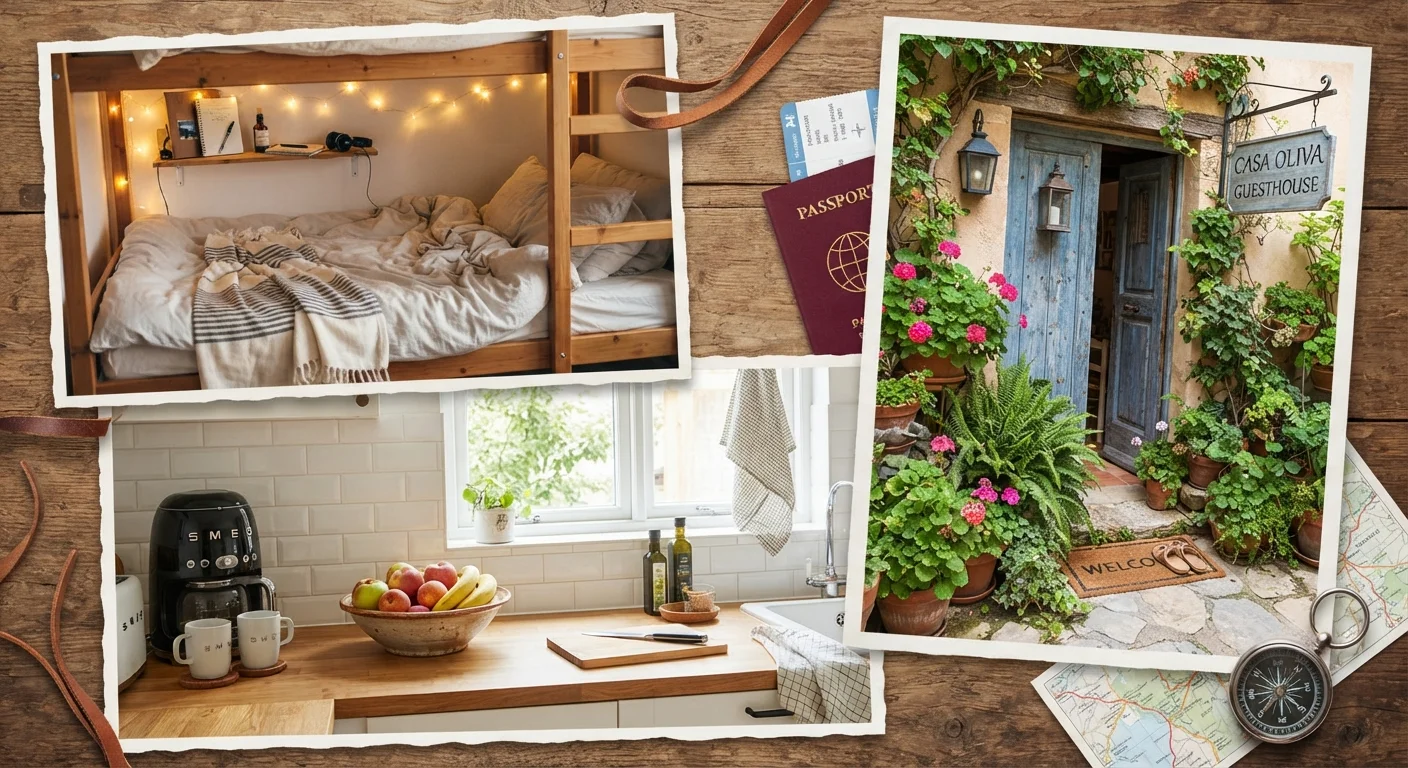
Photo credit: InfoHorizon.net | Access To Informative Content
In this article
Each budget lodging type suits different travelers. Compare the tradeoffs in cost, comfort, privacy, and social experience before you book.
Key Takeaways
- Hostels are typically the lowest-cost option but offer the least privacy, ideal for solo social travelers.
- Guesthouses offer a middle ground — more privacy than hostels with a personal, local feel.
- Vacation rentals work best for groups or longer stays where kitchen access reduces food costs.
- Your travel style, group size, and trip length should drive your lodging choice more than price alone.
- Each option carries tradeoffs in noise, flexibility, and booking policies worth knowing before you commit.
Why Your Lodging Choice Is a Budget Decision — and a Lifestyle One
Affordable travel isn't just about finding the lowest nightly rate. The type of accommodation you choose shapes how you spend your days, how well you sleep, and even how much you spend on food and transport. If you're trying to go further for less, understanding your true priorities as a budget traveler is the smartest first step.
The three most accessible budget lodging categories — hostels, guesthouses, and vacation rentals — each have a distinct personality. Picking the wrong one won't just dent your wallet; it can drain your energy. Here's how to read each option clearly before you book.
| Hostels | Guesthouses | Vacation Rentals | |
|---|---|---|---|
| Typical nightly cost (per person) | $20–$45 (dorm) | $50–$120 (private room) | $30–$100 (split among group) |
| Privacy level | Low (shared dorm) | Medium (private room) | High (entire property) |
| Best group size | Solo or duo | Solo, couples | Groups, families |
| Kitchen access | Communal kitchen | Rare; breakfast sometimes included | Full kitchen standard |
| Social experience | High — built-in community | Moderate — host interaction | Low — self-contained |
| Booking flexibility | Often flexible, cancel-friendly | Moderate | Stricter; fees common |
| Ideal trip length | 1–5 nights | 1–7 nights | 4+ nights |
Hostels: Maximum Savings, Minimum Solitude
Hostels have shed their rough reputation considerably over the past decade. Many now offer well-maintained dormitory rooms with secure lockers, climate control, and surprisingly comfortable mattresses. Nightly rates in US destinations and abroad routinely land between $20–$45 per person — often the cheapest legal bed you'll find in a city.
The tradeoff is privacy. Dormitories typically sleep 4–12 people, meaning you'll share bathroom facilities and likely hear your roommates at odd hours. If light sleep is a concern, bring earplugs and an eye mask — non-negotiables in shared dorms.
Book Private Rooms for the Best of Both Worlds
Many hostels now offer private rooms at rates well below comparable hotels — you still get access to communal spaces, social events, and the communal kitchen, but you close your own door at night. If you want hostel energy without the dormitory noise, this is often the smartest middle path. Check cancellation policies carefully; many hostels are more flexible than vacation rental platforms.
The social upside is real. Hostels are engineered for connection: communal kitchens, common rooms, and organized events mean solo travelers often leave with new friends and restaurant recommendations no guidebook carries. For those heading out alone, solo travel dynamics shift meaningfully in a hostel environment — isolation simply isn't the norm.
Many hostels also offer private rooms at a premium, which can bridge the gap between dorm energy and personal space. Still, if consistent quiet and privacy matter deeply to you, consider the next two options.
Guesthouses: Local Flavor With a Private Door
Guesthouses occupy a comfortable middle ground. These are typically small, family-run properties — often someone's home with a few rentable rooms — that offer private bedrooms, usually a shared or en-suite bathroom, and frequently a simple breakfast included in the rate. Nightly prices generally sit between hostel dorms and mid-range hotels.
The character-per-dollar ratio tends to be exceptional. Hosts often know the neighborhood intimately and can point you toward markets, local transport shortcuts, and restaurants tourists rarely discover. That human layer is something larger hotel chains can't replicate.
Guesthouses work particularly well for couples or solo travelers who want downtime without sacrificing local connection. They're quieter than hostels, more flexible than vacation rentals for short stays, and frequently located in residential neighborhoods — which means you experience a city as a resident might, not as a theme-park visitor. Exploring US destinations through a guesthouse lens often reveals hidden neighborhood gems.
Vacation Rentals: The Group Traveler's Equation
Vacation rentals — whole apartments, houses, or cottages booked privately — make the strongest financial argument when the cost is divided among multiple travelers. A three-bedroom rental at $200 per night splits to roughly $67 per person across three couples; comparable hotel rooms in the same area could easily cost twice that per room.
Kitchen access is the other big financial lever. Cooking even two meals a day from a grocery store can save a traveling family hundreds of dollars over a week. This is where vacation rentals quietly outperform both hostels and guesthouses in total trip cost, particularly on longer stays.
The downsides are real: vacation rentals typically require upfront booking with stricter cancellation policies, cleaning fees that can add $50–$200 to your total, and no on-site host if something goes wrong. Reading reviews carefully and confirming check-in logistics before arrival is essential — not optional.
If you're weighing a rental format and thinking about space vs. cost tradeoffs, the same logic that applies to long-term housing — explored in depth in this comparison of apartment formats for different life situations — translates usefully to short-term travel. And once lodging is sorted, stacking your itinerary with low-cost activities is how you stretch the full budget further.
~40%
Traveler savings using vacation rentals vs. hotels
Industry analyses of short-term rental platforms suggest group travelers can save roughly 40% per person on lodging when splitting a full rental versus booking separate hotel rooms.
$30–$50
Average daily food savings with kitchen access
Travel budget researchers generally estimate that cooking the majority of meals during a trip saves a solo traveler between $30 and $50 per day compared to dining out for every meal.

Author
Travel Editorial Team
Travel Editorial Team is the collective byline for our editorial team and contributor network. Articles published under this byline or an editorial pen name are researched, written, and reviewed according to our editorial standards for clarity, consistency, and independence before publication.
View all articles →