
New Orleans Beyond Bourbon Street: Understanding the City's Distinct Neighborhoods
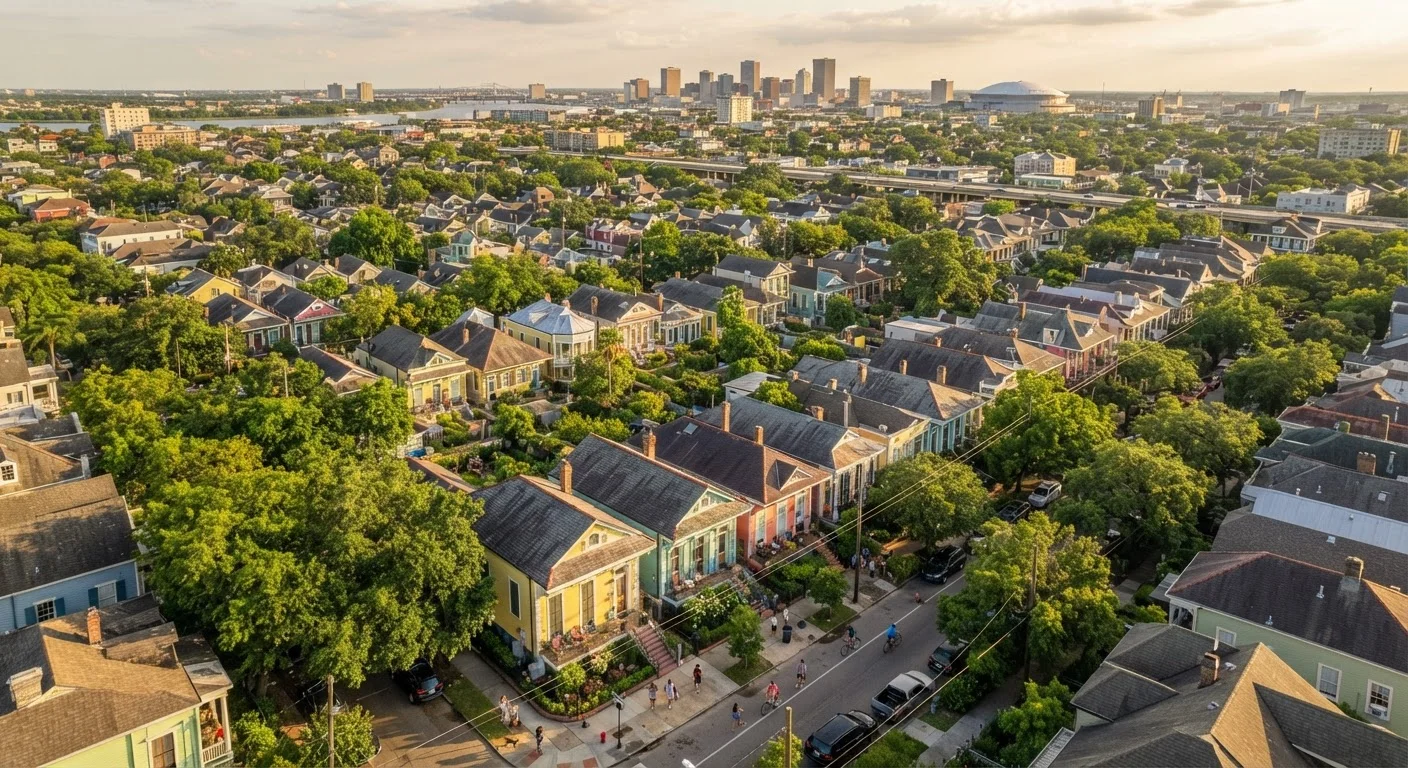
Photo credit: InfoHorizon.net | Access To Informative Content
In this article
The French Quarter is just the beginning. Explore what the Marigny, Tremé, Garden District, and Bywater each offer visitors to New Orleans.
Key Takeaways
- The French Quarter is iconic but only one small piece of New Orleans' cultural landscape.
- Each major neighborhood has a distinct architectural identity, from Creole cottages to Greek Revival mansions.
- The Tremé is widely regarded as the oldest African American neighborhood in the United States.
- The Bywater and Marigny attract visitors seeking live music, local art, and a neighborhood-first atmosphere.
- Walking or taking the historic streetcar is one of the best ways to move between neighborhoods.
Why Neighborhood Context Changes Everything in New Orleans
New Orleans is one of those rare American cities where geography is culture. The blocks between neighborhoods aren't just distances — they're transitions between entirely different worlds shaped by centuries of French, Spanish, African, Caribbean, and American influence. Visitors who spend their entire trip on Bourbon Street miss the point almost entirely.
Think of the neighborhoods as chapters in a long, layered story. Each one has its own soundtrack, its own cuisine traditions, and its own architectural personality. Part of what makes New Orleans so extraordinary is that these chapters exist within walking distance of each other. As any serious exploration of the American South reveals, the region's richness lives in its local detail — and nowhere is that truer than New Orleans.
72+
Distinct neighborhoods in New Orleans
According to the City of New Orleans planning department, the city is divided into over 72 recognized neighborhoods across 13 planning districts.
~1 mile
Walking distance from French Quarter to Marigny
The Faubourg Marigny begins immediately downriver from the French Quarter, making it one of the most accessible neighborhood transitions in the city.
1835
Year the St. Charles streetcar began operating
The St. Charles line is one of the oldest continuously operating streetcar lines in the world, connecting downtown to the Garden District and Uptown.
The French Quarter and Its Famous Neighbors: Marigny and Tremé
The French Quarter (also called the Vieux Carré) is the oldest part of the city and the one most visitors see first. Its wrought-iron balconies, Creole townhouses, and Jackson Square are genuinely worth seeing — but the crowds on Bourbon Street can obscure how beautiful the quieter streets are. Royal Street, Chartres Street, and the area around Café Du Monde offer a calmer, more architectural experience.
Immediately downriver sits the Faubourg Marigny, known locally as just the Marigny. This is where Frenchmen Street comes alive every night with live jazz, brass bands, and blues pouring out of intimate clubs. The neighborhood feels like what the French Quarter might have been before heavy commercialization — colorful, walkable, and genuinely local.
Just above the French Quarter lies the Tremé, the historic heart of African American New Orleans and the cradle of jazz itself. Visiting Congo Square, exploring the backstreets, or catching a second-line parade here connects you to something irreplaceable in American cultural history. This neighborhood rewards slow, curious exploration far more than any guided rush-through.
Explore Frenchmen Street on Foot at Night
Frenchmen Street in the Marigny is best experienced by simply walking its few-block stretch and letting the music pull you in. Most clubs have no cover charge early in the evening, and multiple genres are often playing simultaneously within earshot. Plan to arrive around 9 or 10 p.m. when the scene hits its stride.
Garden District, Bywater, and Knowing Where You Fit
Upriver from the French Quarter, the Garden District feels like a different city entirely. Greek Revival and Italianate mansions line streets shaded by ancient live oaks. It's quieter and more residential, but Magazine Street offers excellent independent shops, cafés, and restaurants in a walkable strip. The St. Charles streetcar — itself a National Historic Landmark — connects this area to downtown and is a worthwhile ride on its own terms.
Downriver past the Marigny, the Bywater has evolved into one of the city's most creatively energized areas. Former working-class shotgun houses are now home to artists, chefs, and musicians. The neighborhood is less polished than the Garden District and less touristed than the French Quarter, which is precisely its appeal for many visitors. It's the kind of place you wander rather than schedule.
Choosing where to base yourself — or simply where to spend an afternoon — depends on what you're after. Just as first-time visitors to New York City often miss what makes it interesting, first-time visitors to New Orleans can leave having only scratched the surface. Give each neighborhood its own half-day, and the city begins to reveal itself in full.
Neighborhood Character Can Shift Quickly
New Orleans neighborhoods are living, evolving communities — not static tourist destinations. What a neighborhood looks and feels like can shift between blocks, and some areas transition from lively to quiet (or the reverse) depending on the time of day. Talking to locals, checking current travel forums, and reading recent visitor accounts will give you the most accurate picture before you go.
Neighborhood boundaries and conditions can change over time. Always verify current safety information, transportation options, and local event schedules through official city tourism resources before your visit.
Frequently Asked Questions

Author
Travel Editorial Team
Travel Editorial Team is the collective byline for our editorial team and contributor network. Articles published under this byline or an editorial pen name are researched, written, and reviewed according to our editorial standards for clarity, consistency, and independence before publication.
View all articles →