
How Elevation Changes Everything About a Mountain Destination Visit
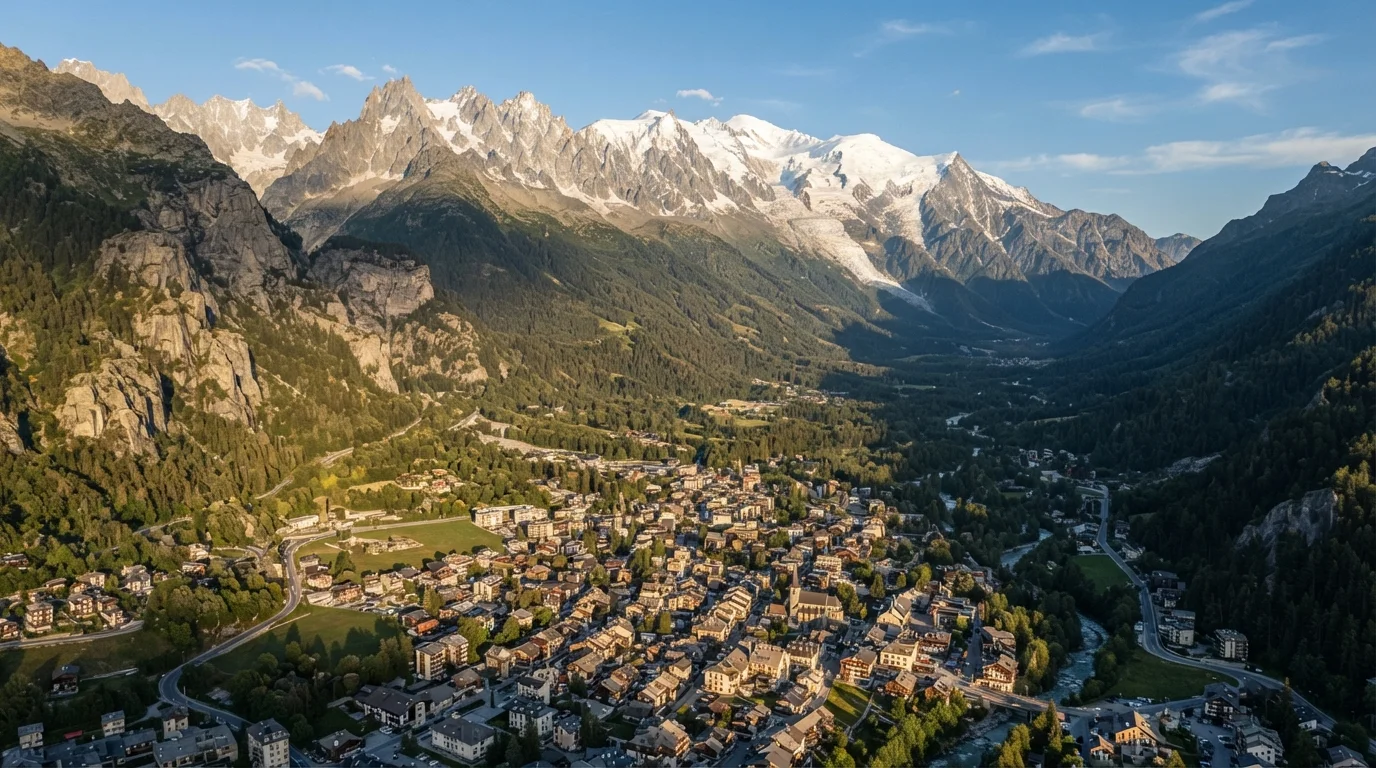
Photo credit: InfoHorizon.net | Access To Informative Content
In this article
Altitude affects your sleep, energy, and even cooking. Understanding elevation helps travelers plan smarter trips to destinations like Denver or Santa Fe.
Key Takeaways
- High-altitude destinations like Denver (5,280 ft) and Santa Fe (7,000 ft) have noticeably thinner air than sea-level cities.
- Dehydration happens faster at elevation — drinking extra water before and during your trip is essential.
- Physical exertion feels harder at altitude; plan lighter activities for your first day or two.
- Cooking and baking behave differently at elevation due to lower atmospheric pressure.
- Acclimatization typically takes 1–3 days for most healthy adults.
- Consulting a doctor before visiting high-altitude destinations is advisable for anyone with heart or lung conditions.
Why Elevation Is the First Thing to Know About Your Destination
When most people research a mountain getaway, they focus on scenery, lodging, and what to do. Elevation tends to be an afterthought — until it isn't. The moment you step off a plane in Albuquerque or start hiking a trail outside Breckenridge, your body has an opinion about how high you are.
Elevation affects every traveler differently, which is part of what makes it worth understanding before you go. It shapes your itinerary, your hydration strategy, how well you sleep, and even the food on your plate. Whether you're planning a weekend in Santa Fe or a week in Rocky Mountain National Park, knowing the altitude of your destination is as fundamental as checking the weather forecast.
See our trip planning hub for more essential preparation strategies before your next adventure.
~23%
Less oxygen per breath at 7,000 feet vs. sea level
Atmospheric oxygen pressure decreases predictably with altitude, affecting physical endurance and recovery for most travelers.
1–3 days
Typical acclimatization time for healthy adults
Most healthy adults adjust to moderate high altitude within a few days, though this varies considerably by individual and ascent rate.
202°F
Boiling point of water at 5,000 feet elevation
Compared to 212°F at sea level, this lower boiling point meaningfully extends cooking times for foods prepared on the stovetop.
How Your Body Responds to Thinner Air
At sea level, each breath delivers a full measure of oxygen your body expects. At 7,000 feet, you're getting roughly 23% less oxygen per breath — not dangerous for healthy adults, but noticeable. Your heart beats a little faster, breathing deepens slightly, and physical tasks that feel effortless at home require more effort.
The most common experience for first-time high-altitude visitors is simple fatigue. A gentle walk that would feel like nothing in Chicago might leave you winded on day one in Taos. This is completely normal. The key is to give yourself permission to slow down, especially for the first 24–48 hours.
Hydrate Before You Arrive
Start increasing your water intake the day before you reach a high-altitude destination, not just after you land. Arriving already well-hydrated gives your body a real advantage. Skip or minimize alcohol and caffeine on your travel day, as both accelerate fluid loss at elevation.
Dehydration accelerates at altitude because the air is drier and breathing faster causes more moisture loss. Many experienced mountain travelers make a habit of drinking significantly more water than usual starting the day before they arrive — not just after symptoms appear.
For a broader look at how destination type shapes your experience, exploring mountain vs. beach trade-offs can help you weigh your options.
Planning Your Itinerary Around Elevation
Seasoned mountain travelers build their schedules with acclimatization in mind. The classic advice — "climb high, sleep low" — means ascending for daytime activities but returning to a lower elevation to sleep when possible. Not every trip allows that, but the principle of pacing yourself on day one is universally useful.
If you're planning hikes, save the high-exertion trails for days two or three rather than jumping straight into a summit push. Many mountain destinations offer spectacular low-elevation options — river walks, town plaza strolls, museums — that are ideal for your arrival day while your body adjusts.
Timing your trip also plays into this. Peak vs. off-season timing affects crowd levels and trail accessibility, which matters especially when you need to pace yourself at altitude without feeling rushed.
Elevation Varies Widely Within Destinations
A town like Aspen sits at about 7,908 feet, but nearby trails can quickly climb to 12,000 feet or higher. Your body acclimatizes to where you sleep, not where you hike. Always check the elevation of specific trails or attractions, not just the town itself, when planning activity-heavy days.
If your travel dates have some flexibility, arriving a day earlier than your main activities begin is one of the simplest ways to buffer against altitude effects. Flexible travel dates offer more benefits than most travelers realize.
Elevation's Quirky Effects on Food and Cooking
One of the most surprising aspects of high-altitude travel is what happens in the kitchen. Water boils at approximately 202°F at 5,000 feet rather than 212°F at sea level, which means it takes longer to cook pasta, rice, and eggs properly. Baked goods can rise too fast and collapse, and bread recipes may need adjustment.
If you're renting a cabin or vacation home and planning to cook, this is genuinely worth knowing. Most grocery stores in mountain towns like Estes Park or Telluride carry high-altitude baking tips on products like flour and cake mixes. Restaurants at elevation are well-versed in this, so dining out on your first day is always a seamless option.
“The mountains teach patience. Slow down on day one and you'll have energy for everything else the rest of the trip.”
— Wilderness Medicine Institute, Organization providing altitude and outdoor medicine education for travelers and guides
Curious whether a mountain destination or a coastal one suits your travel personality? Matching your travel style to a destination breaks down the decision in practical terms.
This article is for general informational purposes only and does not constitute medical advice. Travelers with pre-existing health conditions, including heart or lung conditions, should consult a qualified healthcare provider before visiting high-altitude destinations.
Frequently Asked Questions

Author
Travel Editorial Team
Travel Editorial Team is the collective byline for our editorial team and contributor network. Articles published under this byline or an editorial pen name are researched, written, and reviewed according to our editorial standards for clarity, consistency, and independence before publication.
View all articles →