
Things Experienced Travelers Always Do Before a Trip That Beginners Often Skip
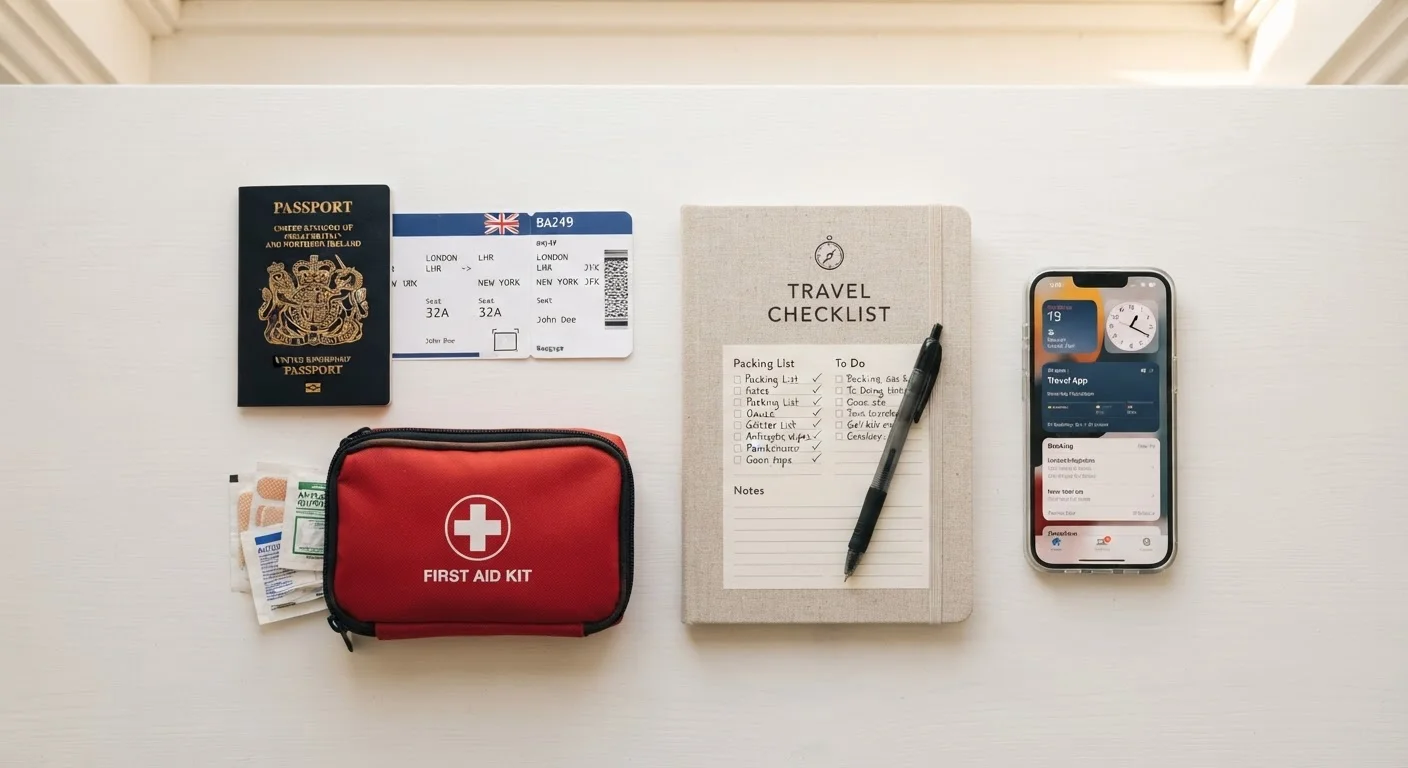
Photo credit: InfoHorizon.net | Access To Informative Content
From confirming accommodations to sharing your itinerary with someone at home — the pre-departure habits that consistently pay off.
Key Takeaways
- Experienced travelers confirm every booking detail — including hotel check-in times and entry requirements — well before departure.
- Sharing a detailed itinerary with someone at home is a simple safety habit beginners frequently overlook.
- Checking your passport's expiration date and visa requirements should happen months before booking, not after.
- Carrying physical copies of key documents and a small amount of local cash prevents avoidable delays on arrival.
- Notifying your bank of travel plans and understanding your coverage saves money and headaches abroad.
- Researching local transportation options in advance prevents costly last-minute scrambles at the destination.
The Gap Between Booking and Being Ready
Clicking "confirm" on a flight feels like the trip is handled. For beginners, it often is — until something goes sideways at the airport. Experienced travelers know that booking is just the starting line. The real preparation happens in the days and weeks that follow, and it doesn't take nearly as long as people fear.
These aren't obsessive planning rituals. They're practical habits that consistently reduce stress, protect money already spent, and free you up to actually enjoy the trip. Whether you're heading across the country or the border, the same pre-departure instincts apply. Our two-week pre-trip timeline goes deeper on sequencing — but this list covers the habits that matter most regardless of when you start.
Re-confirm every reservation — don't just assume it's fine
Booking confirmation emails get lost, reservation numbers get mistyped, and hotels occasionally oversell rooms. Seasoned travelers contact accommodations directly 48–72 hours out to verify their reservation, confirm check-in times, and flag any special requests. The same goes for rental cars and tour bookings. A quick email or phone call takes five minutes and can prevent a very bad arrival experience.
A five-minute confirmation call can prevent arriving to find your reservation doesn't exist.
Check passport validity and entry requirements early
Many countries require your passport to be valid for at least six months beyond your travel dates. Some require visas that take weeks to process. This is the single most common paperwork mistake American travelers make — and it's entirely preventable. Check the U.S. Department of State's travel information pages for your destination and verify requirements directly with that country's official embassy or consulate. If you're unfamiliar with how advisories and entry rules work, our travel terms glossary explains the language clearly.
Passport validity and visa requirements should be verified months before you book, not after.
Share a detailed itinerary with someone at home
This is the habit beginners most consistently skip — and experienced travelers treat as non-negotiable. Leave a copy of your full itinerary, accommodation addresses, flight numbers, and a local emergency contact with someone you trust at home. It takes ten minutes and is genuinely useful in the rare event something goes wrong. It also just provides peace of mind for everyone involved. A shared document or even a forwarded email is enough.
Leaving your itinerary with a trusted contact costs nothing and matters enormously in an emergency.
Notify your bank and understand your coverage
Using your debit or credit card in a new location — especially internationally — can trigger fraud blocks that freeze your account mid-trip. Most banks allow you to set a travel notice online or through their app in minutes. While you're at it, check whether your card charges foreign transaction fees and whether your existing credit card or travel insurance covers trip cancellation, medical emergencies, or lost luggage. Knowing what you actually have (and what you don't) before you leave prevents unpleasant financial surprises.
Frozen accounts and surprise fees are preventable — notify your bank and read your coverage before departure.
Carry physical document copies and a small cash backup
Apps crash, phones die, and international data doesn't always work the moment you need it. Experienced travelers carry printed copies of their passport photo page, travel insurance information, hotel confirmation, and emergency contacts. A modest amount of local currency — even just enough for a cab from the airport — is equally valuable. ATMs in airports often charge high fees and are occasionally out of service. Starting with a small cash cushion removes a stressor that catches many first-time travelers off guard.
Printed document copies and a cash backup remove critical dependencies on your phone working perfectly.
Research local transportation before you land
One of the clearest markers of an experienced traveler is that they already know how they're getting from the airport to their accommodation before the plane touches down. That might mean a public train line, a licensed taxi zone, a rideshare app that operates locally, or a shuttle service. Knowing this in advance prevents the disoriented, expensive scramble that happens when you're tired, jet-lagged, and making decisions under pressure. Our guide to approaching a new US city covers the broader mindset shift that makes this second nature.
Knowing your airport-to-hotel route before landing is one of the clearest signs of a seasoned traveler.
Build the Habit, Then Build the Trip
None of these steps take more than a few minutes individually. The payoff, though, compounds — each one closes a gap where something could go wrong. Experienced travelers don't do all this because they're anxious; they do it because they've seen what happens when it's skipped.
Start a simple pre-trip checklist document
Keep a running notes document or checklist you reuse for every trip. Include the same core categories — reservations, documents, bank notices, packing — and adapt it as your travel style evolves. Travelers who use a consistent checklist catch far fewer last-minute surprises. Our pre-trip checklist for budget travelers is a solid starting template.
Traveling with family adds another layer of preparation. Our guide on traveling with kids across state lines covers the documents, pacing, and logistics that make family trips smoother. And if your destination is a national park or a multi-stop domestic route, check the national park planning guide and our multi-stop US trip checklist before you go.
One more thing beginners consistently underestimate: what to pack — and more importantly, what to leave behind. Overpacking is still America's most common travel mistake, and it starts in the planning phase, not at the suitcase. Good preparation turns travel from stressful to second nature.

Author
Travel Editorial Team
Travel Editorial Team is the collective byline for our editorial team and contributor network. Articles published under this byline or an editorial pen name are researched, written, and reviewed according to our editorial standards for clarity, consistency, and independence before publication.
View all articles →