
Hidden Storage Opportunities Most Homes Already Have
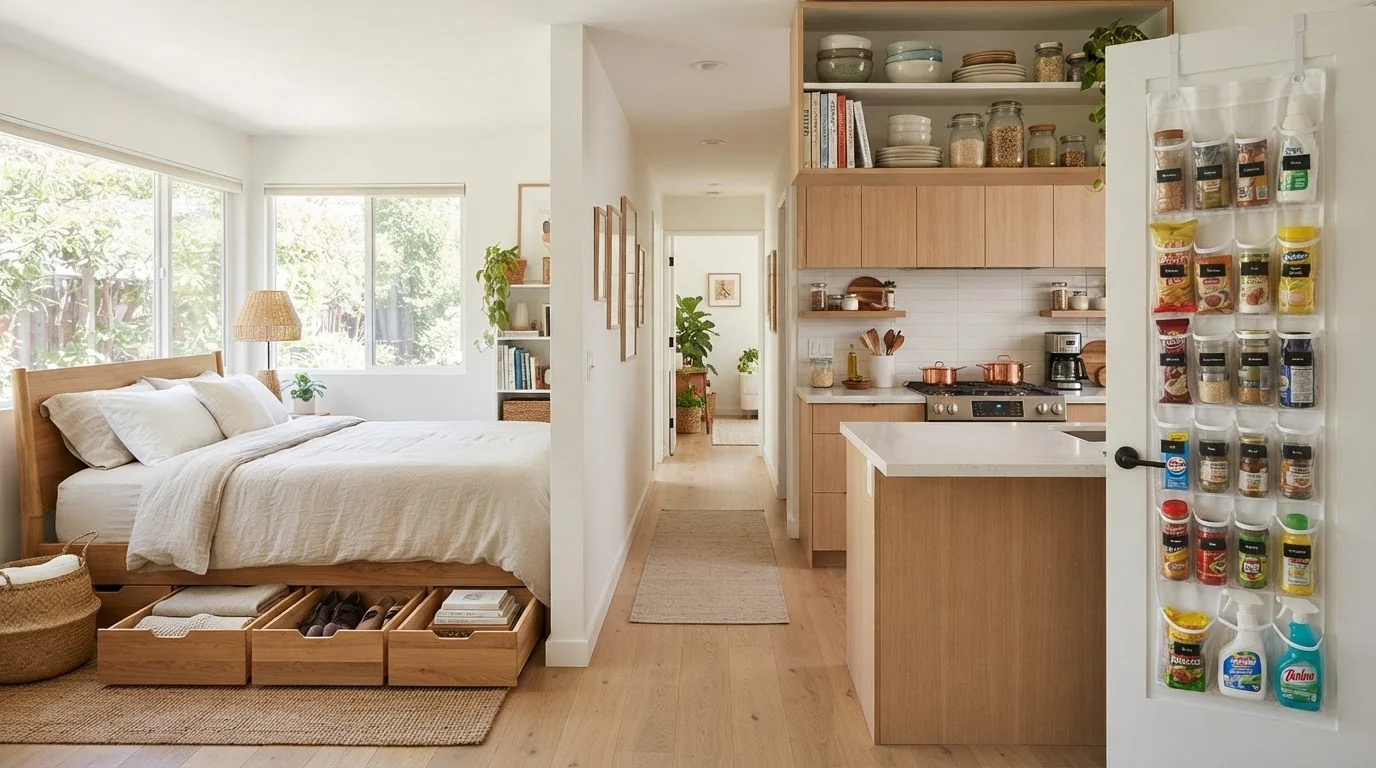
Photo credit: InfoHorizon.net | Access To Informative Content
Under beds, above cabinets, behind doors — many homes have overlooked storage space. Here are the spots worth a second look before buying anything new.
Key Takeaways
- Most homes have several overlooked storage zones that require no renovation to use.
- Vertical space — above cabinets, over doors, and along stair walls — is consistently underused.
- Small adjustments to existing furniture can unlock significant storage without buying new pieces.
- Assessing what you already have before purchasing storage products saves time and money.
Your Home Likely Has More Storage Than You Think
Before ordering another shelf unit or renting a storage locker, it's worth doing a slow walk through your home with fresh eyes. Most houses and apartments contain several zones of genuinely usable space that have simply been overlooked — not because they're hard to find, but because they don't look like storage at first glance.
This list covers six of the most common hidden storage opportunities. None of them require significant renovation, and most can be put to use this weekend. For a broader audit of every room, the room-by-room home organization checklist is a useful companion resource.
Audit Before You Buy Anything
Walk through your home with a notepad and note every unused vertical surface, gap, and dead zone before purchasing a single bin or shelf. Most people discover they already own containers that just haven't been deployed correctly. Buying new storage products before auditing existing space is one of the most common — and costly — organization mistakes.
The Space Under Your Bed
The area beneath a bed is one of the largest single storage volumes in most bedrooms, yet it often fills with dust and forgotten items rather than anything intentional. Low-profile bins, flat-lidded boxes, or rolling drawers fit neatly under most standard bed frames without any modification. Use this space for seasonal clothing, extra bedding, or shoes you rotate infrequently. If your bed sits very close to the floor, bed risers — simple blocks that elevate the frame a few inches — can expand the clearance significantly.
The key to making under-bed storage work is using labeled containers so items stay retrievable. A grab-and-go vacuum storage bag is particularly effective for bulky items like winter duvets.
The space under a standard bed can hold as much as a small closet shelf.
Above Kitchen and Bathroom Cabinets
The gap between the top of upper cabinets and the ceiling is a zone most people look past entirely. In kitchens, this space can hold infrequently used appliances, large serving platters, or a collection of baskets that also act as décor. In bathrooms, it works well for extra towels, backup toiletries, or seasonal items. The main caution: keep only lightweight items here and use a stable step stool to access them safely. Avoid storing anything heavy or fragile on surfaces that aren't designed for weight-bearing use.
Above-cabinet space is effectively a free shelf in most kitchens — it just needs organizing.
Behind Every Door
The back of a door — whether it's a bedroom door, bathroom door, pantry door, or closet door — offers a vertical surface that almost no one uses. Over-the-door organizers with pockets or hooks can hold shoes, cleaning supplies, spices, jewelry, or small tools depending on the room. Many tension-rod or hook-based organizers require no drilling and leave no damage behind, making them ideal for renters. Even a few simple hooks on the back of a coat closet door can dramatically expand what that closet can hold.
Every door in your home is a potential storage surface waiting to be activated.
The Toe-Kick Beneath Lower Cabinets
The recessed strip at the base of kitchen lower cabinets — called the toe-kick — is hollow in most homes and almost universally ignored. With the right approach, shallow pull-out drawers can be fitted into this space to hold flat items: baking sheets, cutting boards, placemats, or tablecloths. This modification generally requires some carpentry skill and tools, so it's worth considering whether to tackle it yourself or consult a handyperson. For those who prefer a no-modification approach, the same principle applies to gaps beside appliances, which can often accommodate a narrow rolling cart.
The toe-kick beneath kitchen cabinets hides a drawer-depth cavity most homeowners never tap.
Staircase Walls and Risers
A staircase offers two overlooked opportunities. The wall running alongside the stairs is often a long, blank surface that can support shelving — particularly useful in a hallway where floor space is minimal. The risers themselves (the vertical faces of each step) can sometimes be converted into small cubby drawers in homes with closed staircases, though this is a more involved project that may require a contractor's assessment. Even without modification, the wall space beside stairs is ideal for a gallery of floating shelves that hold books, plants, or display items.
Staircase walls offer some of the longest uninterrupted vertical storage surfaces in any home.
Inside Deep Cabinets and Closets
A deep closet or cabinet can actually hide more clutter than it solves if items at the back become unreachable. The fix isn't always more space — it's better use of the space that exists. Turntables (sometimes called lazy Susans), pull-out bins, and tension rods added at different heights can effectively double what a single shelf holds. In linen closets, rolling carts or tiered shelving inserts prevent the common problem of items toppling whenever you reach for something. Before buying new storage furniture, audit your existing closets — many have adjustable rod and shelf systems that simply haven't been reconfigured since move-in.
Reconfiguring the inside of one deep closet can yield more usable storage than adding an entirely new piece of furniture.
Making the Most of What You Uncover
Once you've identified unused zones, the next step is matching them to the right type of items — not just whatever happens to be cluttering your floors. Seasonal, infrequent-use, and bulky-but-lightweight items are ideal candidates for harder-to-reach spots like above cabinets or under beds. Daily-use items belong in accessible, clearly organized spaces.
Renters: Know What You Can Modify
Many behind-door and tension-rod organizers are completely damage-free and fine for rental properties. However, wall anchors, cabinet modifications, and toe-kick drawers may require landlord approval or violate lease terms. Always check your lease and communicate with your landlord before making any permanent or structural changes — even small ones.
If you find that vertical surfaces are your biggest opportunity, choosing between vertical storage and drawer systems can help you decide which approach fits your habits and rooms best. And if you share your home with others, organizing a home with multiple people offers strategies for building systems that hold up over time.
The goal isn't a perfectly staged home — it's a calmer, more functional one where you can find what you need without friction. Often, that starts not with buying something new, but with looking at what's already there.

Author
Home & Garden Editorial Team
Home & Garden Editorial Team is the collective byline for our editorial team and contributor network. Articles published under this byline or an editorial pen name are researched, written, and reviewed according to our editorial standards for clarity, consistency, and independence before publication.
View all articles →