
What Every First-Time DIYer Should Understand Before Starting a Project
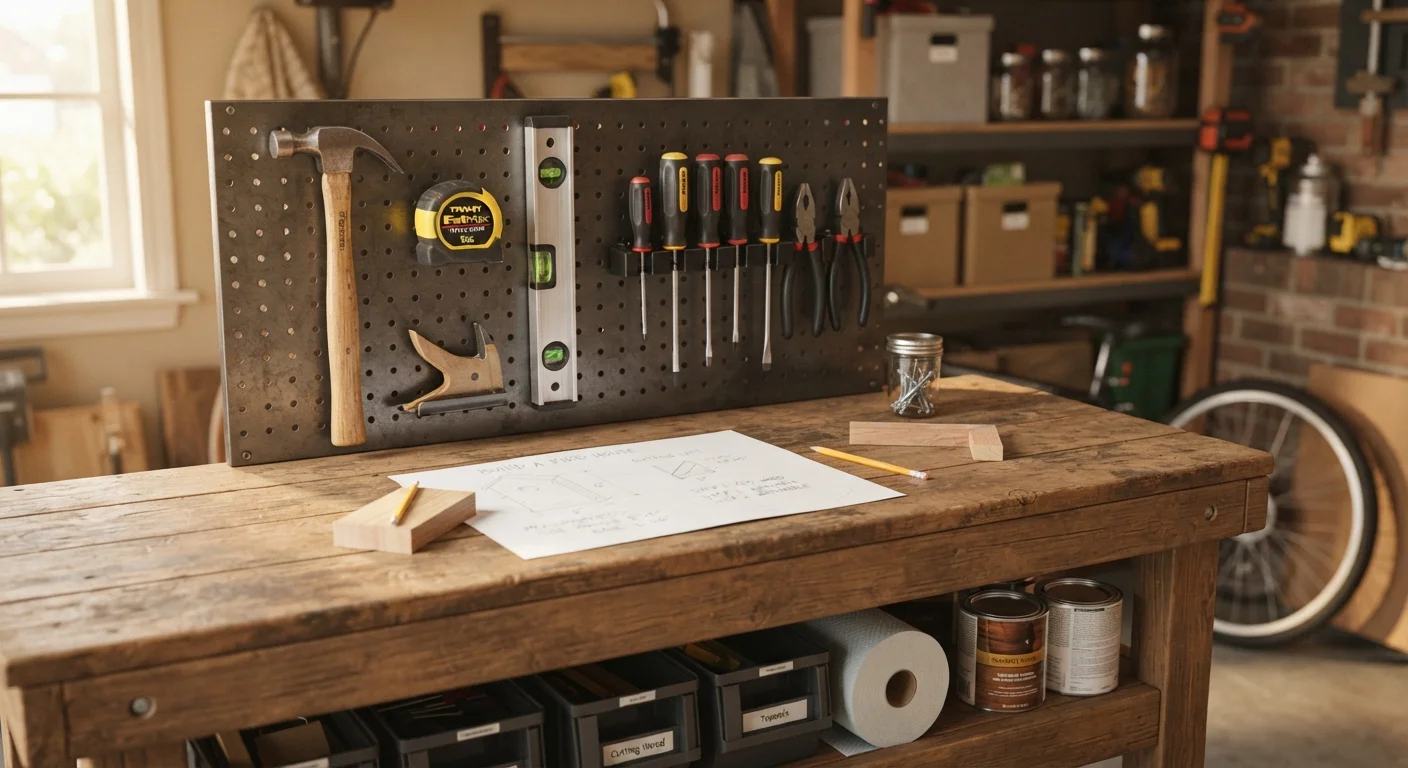
Photo credit: InfoHorizon.net | Access To Informative Content
In this article
Safety, planning, tools, and realistic expectations — a grounded introduction to home improvement for homeowners tackling their first repair.
Key Takeaways
- Planning and research matter more than raw skill for first-time DIY projects.
- Many common repairs are genuinely homeowner-friendly; others require licensed professionals.
- A modest starter toolkit handles the majority of beginner home improvement tasks.
- Electrical, gas, structural, and plumbing-into-mains work typically requires permits and licensed trades.
- Mistakes are part of learning — budgeting extra time and materials reduces frustration.
Why Preparation Matters More Than Skill
Most first-time DIY projects don't fail because the homeowner lacked talent — they fail because the project started before it was fully understood. Reading instructions completely before picking up a tool, watching a walkthrough for your specific fixture or material type, and making a written supply list are habits that separate a smooth project from a costly restart.
Good preparation means answering four questions before you begin: What exactly needs fixing or changing? What materials and tools are required? How long will this realistically take? And what could go wrong? Walking through those questions out loud — or jotting the answers on paper — turns a vague intention into an actionable plan.
Research Before You Reach for a Tool
Search for your specific model number or material type when watching tutorials — generic guides sometimes skip steps that matter for your exact situation. Reading the manufacturer instructions in full before starting takes only minutes and frequently prevents costly mistakes.
The same mindset applies to other new skills. Just as learning foundational kitchen techniques requires understanding the basics before advancing, home repair rewards methodical preparation over impulsive action.
Know Which Projects Are DIY-Friendly
Not every home repair is suitable for a first-timer, and recognizing the difference early protects both your safety and your home's value. A good rule of thumb: if the task is reversible and contained, it's generally beginner-appropriate.
- Good starting projects: patching drywall, painting interior walls, replacing outlet covers or switch plates, installing a new showerhead, fixing a running toilet flapper, caulking, and basic weatherstripping.
- Intermediate projects: installing new light fixtures (after confirming the power is off), replacing a faucet, laying peel-and-stick tile, or assembling flat-pack furniture.
- Leave to professionals: anything involving your electrical panel, gas lines, structural walls, or connections into the main water supply line.
Our companion guide Permits, Inspections, and DIY explains in plain language exactly which categories of work require licensed trades in most U.S. jurisdictions.
Load-bearing wall
A wall that supports the weight of the structure above it. Removing or altering one without engineering guidance can compromise the building's integrity and always requires professional assessment.
Circuit breaker
A safety switch in your electrical panel that cuts power to a specific circuit in your home. Always switch off the relevant breaker before doing any work near wiring.
Permit
Official approval from your local building department to carry out certain types of construction or renovation work. It ensures the project is inspected and meets local safety codes.
Plumb
Perfectly vertical — straight up and down. Checking that a wall, post, or fixture is plumb ensures it's correctly aligned and structurally sound.
Consumables
Supplies that get used up during a project — sandpaper, painter's tape, screws, caulk — as opposed to reusable tools. These are easy to forget when budgeting.
Essential Tools for a First-Time DIYer
You don't need a workshop full of power tools to handle most beginner repairs. A focused starter kit is more useful — and more affordable — than buying everything at once.
- Hammer
- For driving nails, light demolition, and general persuasion.
- Tape measure
- Measure twice, cut once. A 25-foot tape handles most interior projects.
- Level
- Ensures shelves, frames, and fixtures are plumb and straight.
- Screwdriver set
- Both flathead and Phillips in a few sizes cover the majority of fasteners.
- Adjustable wrench
- Handles nuts and bolts without needing a full socket set.
- Utility knife
- For scoring, trimming, and cutting materials cleanly.
- Cordless drill/driver
- The single most versatile power tool a beginner can own.
Store tools in one dedicated spot — a simple toolbox or wall-mounted pegboard works well — so you're not searching for a screwdriver mid-project.
Safety, Permits, and When to Call a Pro
Safety is non-negotiable. Before starting any project, turn off power at the circuit breaker for any work near wiring, shut off water supply valves before touching plumbing, and wear appropriate personal protective equipment — safety glasses, work gloves, and a dust mask when sanding or cutting.
Never Skip Electrical Safety Steps
Even a simple fixture swap can be dangerous if power is still flowing to the circuit. Always switch off the correct circuit breaker and use a non-contact voltage tester to confirm the power is truly off before touching any wiring. If you're uncertain about what you're looking at inside a junction box, stop and call a licensed electrician.
Beyond personal safety, legal compliance matters. Many home improvements — particularly those affecting structural integrity, electrical systems, or plumbing — require a permit from your local building department. Working without a required permit can complicate a future home sale, void homeowner's insurance claims, and result in fines. Always verify local requirements before starting.
For a thorough breakdown of when permits and inspections apply to DIY work, see Permits, Inspections, and DIY: What Homeowners Need to Know.
Setting Realistic Expectations
Every first-time DIYer should know this going in: your first project will take longer than you expect, and something unexpected will come up. A patch job reveals water damage behind the wall. The old hardware doesn't match modern fittings. These surprises aren't failures — they're standard parts of the process.
Budget both time and money with a buffer. A task estimated at two hours often takes four for a beginner. Materials budgeted for $50 frequently reach $65–70 once you account for forgotten consumables like sandpaper, painter's tape, or extra fasteners. Planning for this cushion up front removes the frustration when it happens.
Celebrate incremental wins. Completing a small, well-done repair builds genuine competence and confidence. Over time, your judgment sharpens — you'll more accurately estimate projects, recognize problems early, and know intuitively when a task is worth DIYing versus when it makes sense to call someone in. That growing instinct is exactly what separates a capable homeowner from someone who feels helpless every time something breaks.
This article is for general informational purposes only. Always verify local building codes and consult a licensed professional for electrical, gas, structural, or other regulated work.
Frequently Asked Questions

Author
Home & Garden Editorial Team
Home & Garden Editorial Team is the collective byline for our editorial team and contributor network. Articles published under this byline or an editorial pen name are researched, written, and reviewed according to our editorial standards for clarity, consistency, and independence before publication.
View all articles →