
The Real Costs of Delaying Home Repairs
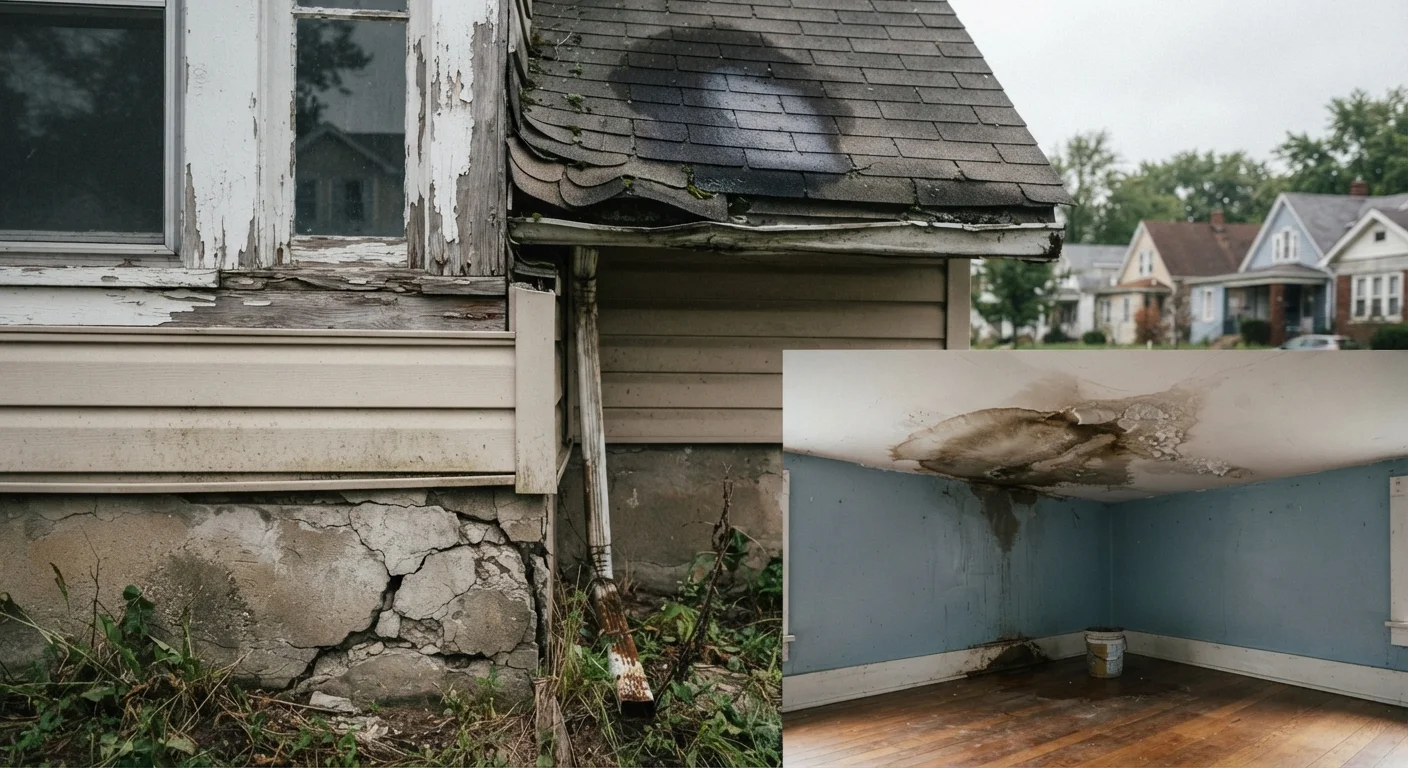
Photo credit: InfoHorizon.net | Access To Informative Content
In this article
Small leaks, hairline cracks, and peeling caulk rarely fix themselves. Here's what deferred maintenance actually costs homeowners over time.
Key Takeaways
- Small, inexpensive repairs left unaddressed routinely evolve into large, costly structural problems.
- Water intrusion is the most common driver of escalating repair costs in American homes.
- Deferred maintenance can measurably reduce a home's appraised and resale value.
- Seasonal inspections are the most effective tool for catching problems before they compound.
- Some repairs require licensed professionals; attempting them without proper skills can increase costs.
Why Small Problems Rarely Stay Small
A hairline crack in exterior caulking. A gutter pulling slightly away from the fascia. A bathroom fan that hums but barely moves air. Individually, none of these seem urgent — and that's precisely the trap. Homes are systems, and systems that aren't maintained don't hold steady; they degrade.
Water is the most instructive example. A minor roof leak may cost a few hundred dollars to patch when caught early. Left alone through one winter, that same leak can saturate insulation, rot the sheathing beneath shingles, and begin feeding mold inside wall cavities — a repair that can reach five figures. The leak didn't get worse because of bad luck. It got worse because water follows gravity, soaks porous materials, and freezes and expands in cold weather. Physics doesn't pause for a busy schedule.
The same compounding logic applies across most home systems. A clogged dryer vent is a nuisance until it becomes a fire hazard. A slow-draining sink is annoying until a corroded pipe joint fails entirely. Understanding this trajectory is the first step toward breaking the cycle of deferred maintenance.
Document as You Inspect
Take dated photos of any maintenance concern you notice — a crack, a stain, peeling paint, a soft spot. This simple habit creates a timeline that helps you gauge whether something is worsening, informs contractors when you do call them, and can be valuable documentation during a home sale or insurance claim.
The Hidden Financial Toll
Homeowners often delay repairs because of upfront cost — which is understandable. But the financial math of deferral is consistently unfavorable. Industry estimates from home inspection and appraisal professionals suggest that for every dollar of maintenance deferred, remediation costs typically multiply three to five times once secondary damage sets in. These aren't guarantees, but the directional pattern is well-established.
3–5×
Cost multiplier when repairs are deferred
Home inspection professionals widely observe that secondary damage from neglected repairs routinely multiplies remediation costs several times over.
~1%
Recommended annual maintenance budget
A commonly cited rule of thumb suggests budgeting approximately one percent of a home's value per year for ongoing maintenance and repairs.
$10,000+
Average mold remediation cost range
According to home restoration industry data, significant mold remediation resulting from water intrusion can reach or exceed five figures depending on extent and location.
Beyond direct repair bills, deferred maintenance carries two financial costs that homeowners often overlook. First, ongoing inefficiency: a drafty window, failing weatherstripping, or outdated HVAC filters all increase monthly energy bills. Second, reduced property value. Appraisers formally account for deferred maintenance as physical depreciation — meaning ignored repairs show up directly in your home's appraised worth. Our companion piece on common insulation misconceptions illustrates how one frequently overlooked system can quietly drain energy dollars for years.
High-Risk Areas Every Homeowner Should Monitor
Not all maintenance tasks carry equal urgency. These are the areas where delay tends to carry the steepest consequence:
- Roof and flashing: Inspect for missing or curled shingles, cracked flashing around chimneys and vents, and soft spots in the decking. Annual checks after major storms are worthwhile.
- Foundation and drainage: Hairline cracks in concrete block or poured foundations can be monitored, but horizontal cracks or cracks wider than a quarter-inch warrant professional evaluation promptly.
- Plumbing fixtures and supply lines: Braided supply lines under sinks and behind toilets have finite lifespans. Slow drips at joints signal corrosion in progress.
- Windows and exterior caulking: Failed caulking around windows and door frames is one of the fastest paths for water infiltration into wall cavities.
- Gutters and downspouts: Blocked gutters overflow against the foundation; disconnected downspouts pool water at the home's base. Both accelerate foundation problems.
- HVAC systems: Dirty filters, neglected coil cleaning, and aging systems work harder and fail sooner — raising both utility and replacement costs.
Permits and Licensed Trades Matter
Many repair and renovation tasks — electrical panel work, structural modifications, plumbing connections to main lines, roof replacements in some jurisdictions — require permits and must be performed by licensed contractors. Unpermitted work can complicate home sales, void homeowner's insurance coverage, and create genuine safety hazards. Always verify your local requirements before starting any significant project.
For tasks involving electrical panels, gas lines, structural components, or permitted work, always engage a licensed professional. Attempting these without proper qualifications can create hazards and, in many jurisdictions, creates code and insurance complications. If you're unsure where the DIY line falls, our first-time DIY guide covers how to evaluate your own skill level honestly.
Building a Simple Maintenance Rhythm
The most effective antidote to deferred maintenance is a predictable inspection rhythm — not a perfect one. A twice-yearly walkthrough (spring and fall) that checks the areas above takes most homeowners under two hours and catches the majority of emerging problems while they're still inexpensive.
Keep a simple running list — a notes app or a paper notebook works equally well — of items to monitor. Distinguish between watch items (noting something, not acting yet) and act now items. A small drip warrants action; a hairline crack in drywall above a door may only need monitoring for six months before deciding.
Budgeting proactively also helps. A widely cited rule of thumb suggests setting aside roughly one percent of your home's value annually for maintenance. This isn't a precise formula — older homes, harsh climates, and certain construction types may need more — but it reframes maintenance from a crisis expense into a planned one.
Homes are the largest financial asset most American households hold. Treating maintenance as an investment in that asset — rather than an expense to defer — is one of the most straightforward ways to protect its long-term value.
Frequently Asked Questions

Author
Home & Garden Editorial Team
Home & Garden Editorial Team is the collective byline for our editorial team and contributor network. Articles published under this byline or an editorial pen name are researched, written, and reviewed according to our editorial standards for clarity, consistency, and independence before publication.
View all articles →