
Insulation Myths That Cost Homeowners Money
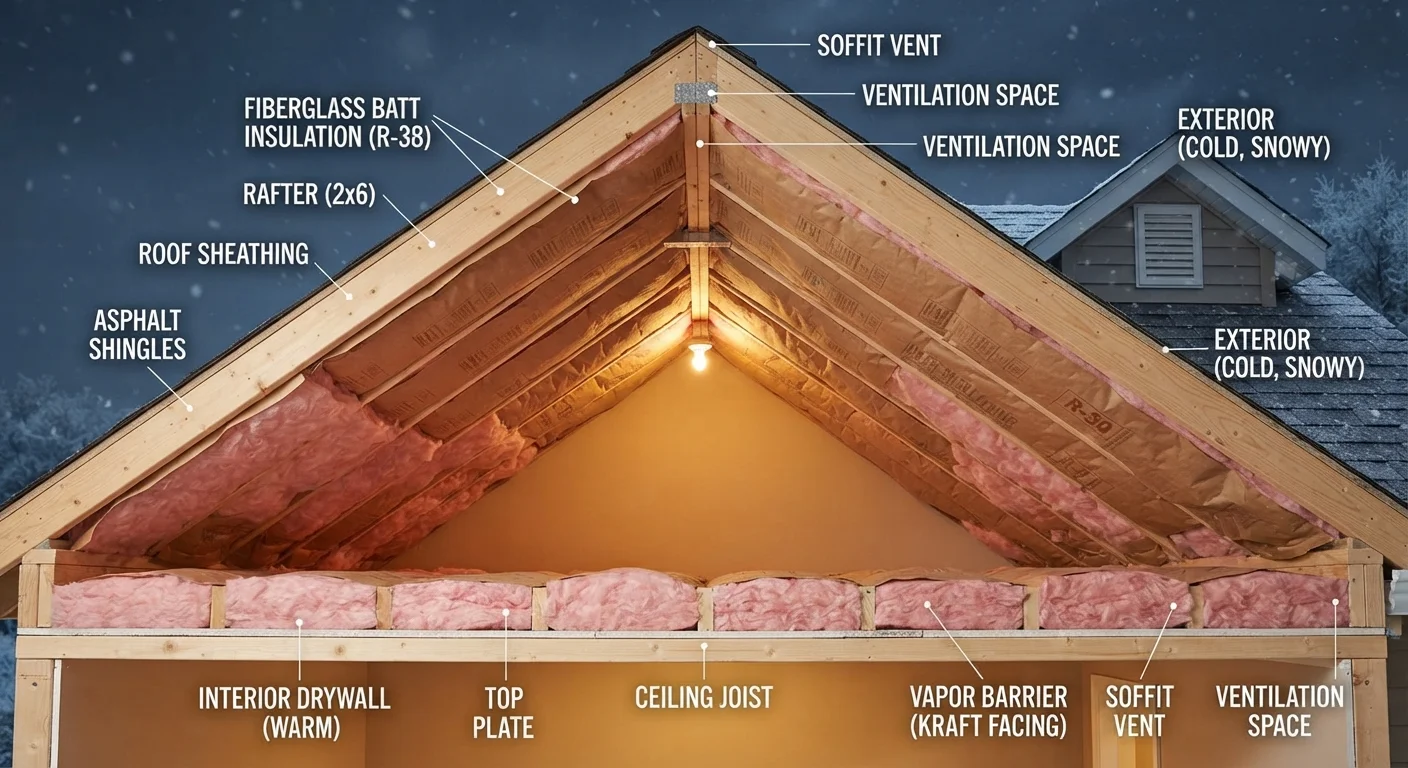
Photo credit: InfoHorizon.net | Access To Informative Content
In this article
From R-value confusion to the idea that more is always better, common insulation misconceptions can lead to wasted effort and poor results.
Key Takeaways
- Higher R-value insulation is not always the right choice — the correct value depends on your climate zone and location in the home.
- Insulation alone does not air-seal a home; gaps and cracks must be addressed separately for real energy savings.
- Old insulation does not always need to be removed before adding new material — but condition matters.
- Vapor barriers are not universally required and can cause moisture problems if installed incorrectly.
- DIY insulation is appropriate for some jobs, but electrical, structural, or hazardous-material situations require a licensed professional.
Why Insulation Misconceptions Are So Costly
Insulation is one of the most cost-effective ways to improve a home's energy efficiency — yet it's also one of the most misunderstood. Homeowners routinely overspend on unnecessary upgrades, skip critical air-sealing steps, or install the wrong material for their climate, all because of widespread myths that have circulated for decades.
Getting insulation wrong doesn't just mean a higher energy bill. It can lead to moisture damage, mold growth, or comfort problems that are expensive to fix later. Understanding what's actually true about insulation helps you spend smarter and avoid the mistakes described in The Real Costs of Delaying Home Repairs.
Myth
The higher the R-value, the better — so you should always buy the highest R-value insulation available.
Fact
R-value requirements depend on your climate zone and where in the home insulation is being installed. Exceeding recommendations rarely delivers proportional savings.
R-value measures how well insulation resists heat flow, but there's a point of diminishing returns. Adding R-60 insulation where R-38 is recommended for your climate zone provides very little additional benefit while costing significantly more. The right R-value for an attic in Georgia differs from one in Wisconsin. The DOE's climate zone map provides specific guidance by region — use it as your starting point, not a one-size-fits-all maximum.
Myth
If you add enough insulation, you don't need to worry about air sealing.
Fact
Insulation and air sealing are two different systems. Insulation slows heat transfer; air sealing stops conditioned air from escaping through gaps and cracks.
Even perfectly installed insulation cannot compensate for air leaks around electrical outlets, recessed lights, plumbing penetrations, and attic hatches. Studies have shown that air infiltration can account for a substantial portion of heating and cooling loss in older homes. Skipping air sealing and relying solely on thick insulation is one of the most common — and expensive — mistakes homeowners make.
Myth
You must remove old insulation before installing new insulation.
Fact
In many cases, new insulation can be added directly over existing material — provided the old insulation is dry, undamaged, and free of hazardous materials.
If existing attic insulation is dry, not compacted beyond usefulness, and shows no signs of pest damage or moisture intrusion, adding a layer on top is often the most cost-effective approach. However, wet or moldy insulation must be removed and the underlying problem corrected first. Compacted fiberglass batts lose R-value and should be evaluated before adding on top. A professional inspection helps determine which situation you have.
Myth
A vapor barrier is always required on the warm side of insulation.
Fact
Vapor barrier requirements vary significantly by climate. In warm, humid climates, an interior vapor barrier can actually trap moisture and cause damage.
In cold climates, a vapor retarder on the interior (warm) side of wall insulation helps prevent humid indoor air from condensing inside the wall cavity. But in hot, humid climates like the Gulf Coast, moisture often drives inward from outside, making an interior vapor barrier counterproductive. Many modern building codes now specify vapor retarders — not full barriers — and requirements differ by assembly type. Always check your local building code before specifying a vapor control layer.
Myth
Insulating the roof deck (between rafters) is the same as insulating the attic floor.
Fact
These are two different strategies with different tradeoffs. Attic floor insulation is typically more cost-effective; roof deck insulation creates a conditioned attic space.
Insulating the attic floor keeps the attic itself unconditioned, which is appropriate when HVAC equipment and ducts are in the living space below. Insulating the roof deck (creating a "hot roof" or unvented attic assembly) is used when ductwork runs through the attic or when the attic will be used as living space. The latter approach costs more and requires specific ventilation design. Choosing the wrong strategy for your situation can lead to moisture and performance problems.
What Homeowners Get Wrong Most Often
The myths below aren't obscure — they're repeated by neighbors, contractors, and even well-meaning home improvement guides. Knowing the corrections helps you ask better questions and make more informed decisions before any insulation project begins.
Older Homes May Contain Hazardous Materials
Homes built before 1980 may have insulation containing asbestos, particularly in vermiculite attic fill or older loose-fill products. Disturbing this material without professional assessment is a serious health risk. Do not add new insulation on top of, or remove, suspected hazardous material without first having it tested by a certified inspector and following all applicable regulations.
If your home was built before 1980, have attic or wall insulation professionally tested before disturbing it. Older loose-fill insulation may contain asbestos, and removing or adding material on top of it without proper assessment carries health and legal risks. Always consult a licensed professional for these situations.
Making Smart Insulation Decisions
Insulation decisions are highly location-specific. The U.S. Department of Energy divides the country into climate zones, and the recommended R-values — a measure of thermal resistance — differ significantly between, say, South Florida and Minnesota. What works well in one region may be wasteful or inadequate in another.
15%
Average home heating/cooling loss through the attic
The U.S. Department of Energy estimates that roughly 15% of a home's heating and cooling energy escapes through an inadequately insulated attic in a typical house.
Up to 20%
Energy savings from air sealing and insulation combined
According to the EPA's ENERGY STAR program, properly combining air sealing with adequate insulation can reduce total heating and cooling costs by up to 20% in many homes.
Before any project, it's worth having an energy audit performed by a certified auditor. These assessments use tools like blower-door tests to find actual air leaks and measure where heat is truly being lost — giving you real data rather than assumptions. Just as myths shape poor decisions in many financial areas (as explored in Budgeting Myths That Keep People From Starting), acting on insulation misconceptions leads to wasted spending with little payoff.
This article provides general home improvement information and education. Costs, performance outcomes, and applicable building codes vary by location. Always consult a licensed contractor and verify local permit requirements before beginning insulation work.

Author
Home & Garden Editorial Team
Home & Garden Editorial Team is the collective byline for our editorial team and contributor network. Articles published under this byline or an editorial pen name are researched, written, and reviewed according to our editorial standards for clarity, consistency, and independence before publication.
View all articles →