
Micronutrients at a Glance: Vitamins, Minerals, and Why They Matter
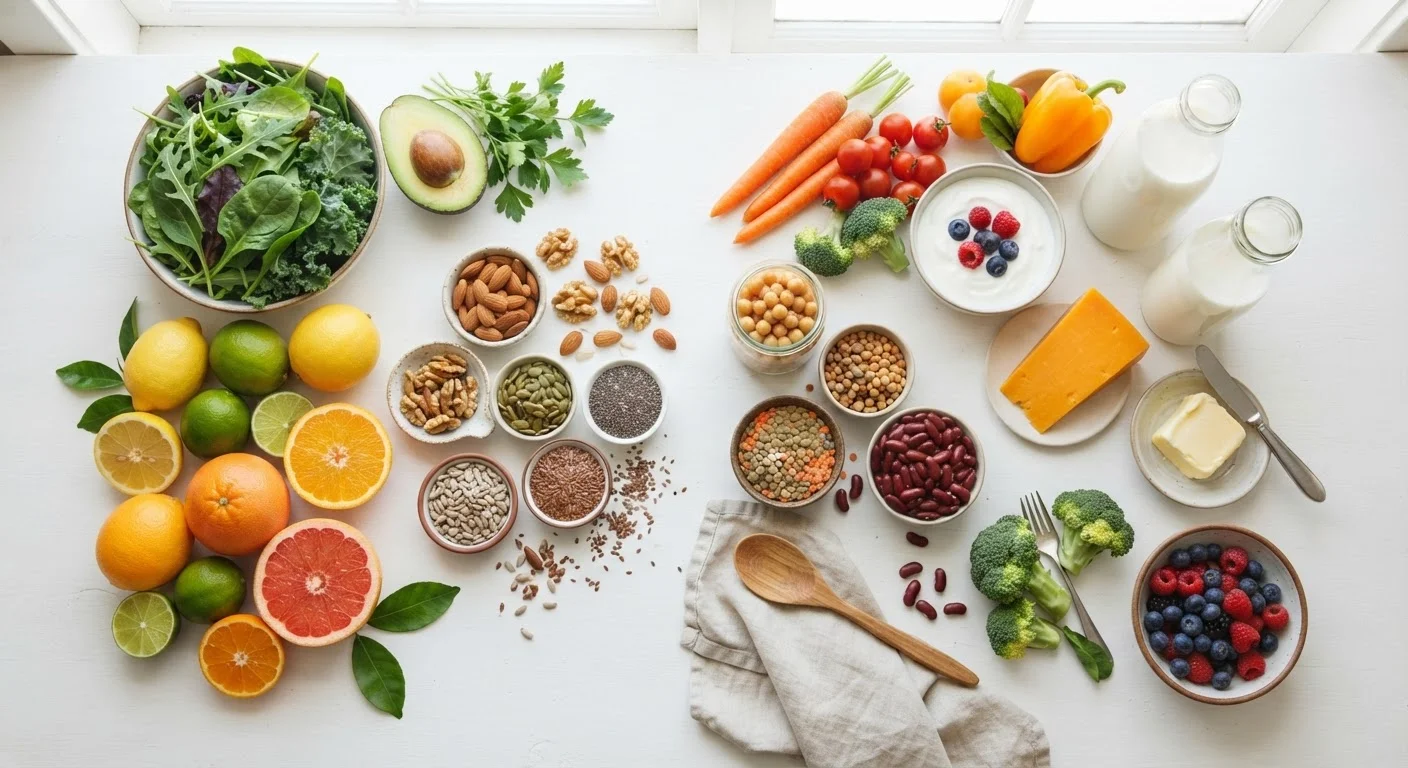
Photo credit: InfoHorizon.net | Access To Informative Content
In this article
A quick-reference guide to essential vitamins and minerals, what they do, and which foods supply them.
What Are Micronutrients?
Macronutrients — protein, carbohydrates, and fat — get most of the attention at the dinner table, but micronutrients are equally critical to how your body functions. Unlike macronutrients, which your body needs in large amounts for energy, micronutrients are vitamins and minerals required in smaller quantities yet responsible for an enormous range of biological processes. For a broader look at how macros and micros fit together, see our guide to macronutrients.
Micronutrients divide into two categories: vitamins (organic compounds made by plants or animals) and minerals (inorganic elements found in soil and water). Both are classified as essential, meaning your body cannot manufacture sufficient quantities on its own and must obtain them through food.
Micronutrient
A vitamin or mineral required by the body in relatively small amounts to support normal physiological function. Unlike macronutrients, they provide no direct energy (calories).
Fat-soluble vitamin
Vitamins A, D, E, and K, which dissolve in fat and are stored in liver and fatty tissue. Because they accumulate, excessive supplementation can reach harmful levels.
Water-soluble vitamin
Vitamins C and the B-complex group, which dissolve in water and are not significantly stored in the body, making regular dietary intake necessary.
Trace mineral
A mineral the body needs in very small amounts — typically less than 100 mg per day — such as iron, zinc, selenium, and iodine. Despite the tiny quantities needed, deficiencies can have significant health effects.
Daily Value (DV)
A reference amount set by the FDA representing how much of a nutrient a serving contributes to a general daily diet, expressed as a percentage on nutrition labels.
Bioavailability
The proportion of a nutrient that the body can actually absorb and use from a food or supplement. Bioavailability varies by nutrient form, food pairing, and individual digestive health.
Key Vitamins: What They Do and Where to Find Them
Vitamins split further into fat-soluble (A, D, E, K) and water-soluble (C and the eight B vitamins). Fat-soluble vitamins are stored in body tissue, so excess intake can accumulate; water-soluble vitamins are excreted in urine, making regular dietary intake important.
| Fat-soluble vitamins | A, D, E, K |
| Water-soluble vitamins | C and 8 B vitamins (B1, B2, B3, B5, B6, B7, B9, B12) |
| Vitamin D primary function | Calcium absorption, bone health, immune regulation |
| Best food sources of vitamin C | Citrus fruits, bell peppers, strawberries, broccoli |
| Vitamin B12 — key role | Nerve function and red blood cell formation; found almost exclusively in animal products |
| Folate (B9) — why it matters | DNA synthesis and cell division; critical during early pregnancy (CDC, general public health guidance) |
| Vitamin A — primary sources | Liver, dairy, eggs; beta-carotene (precursor) in orange and leafy vegetables |
| Vitamin K — primary role | Blood clotting and bone protein synthesis |
Understanding what each vitamin contributes helps you interpret the information on a food label. Our article on reading a nutrition label explains how Daily Value percentages connect to these functions.
Essential Minerals: Macro and Trace
Minerals are divided into macrominerals — needed in larger amounts, such as calcium, magnesium, phosphorus, potassium, and sodium — and trace minerals, needed in tiny quantities but no less important, including iron, zinc, iodine, selenium, and copper.
- Calcium builds and maintains bone density and supports muscle contraction and nerve signaling. Primary sources: dairy products, fortified plant milks, leafy greens, sardines.
- Iron carries oxygen in red blood cells. Heme iron (from animal sources) absorbs more readily than non-heme iron (from plants). Pairing plant iron sources with vitamin C improves absorption.
- Magnesium participates in more than 300 enzyme reactions, including energy production and protein synthesis. Found in nuts, seeds, legumes, and whole grains.
- Potassium helps regulate blood pressure and supports normal heart rhythm. Bananas, potatoes, beans, and leafy greens are reliable sources.
- Zinc supports immune function, wound healing, and taste and smell perception. Meat, shellfish, legumes, and pumpkin seeds supply it well.
- Iodine is essential for thyroid hormone production. Iodized table salt and seafood are the main dietary sources in the U.S.
~42%
U.S. adults with vitamin D insufficiency
According to data published in the journal Nutrients (2022), vitamin D insufficiency is one of the most prevalent micronutrient shortfalls in the United States.
300+
Enzyme reactions requiring magnesium
The National Institutes of Health Office of Dietary Supplements notes magnesium is a cofactor in more than 300 enzymatic processes in the human body.
2 billion
People affected by iron deficiency globally
The World Health Organization identifies iron deficiency as the most common nutritional deficiency worldwide, with wide-ranging effects on energy and cognition.
Fluid intake also influences how minerals are absorbed and transported — something explored in depth in our piece on hydration and nutrition.
Gaps, Deficiencies, and a Food-First Approach
Micronutrient deficiencies remain common in the United States despite an abundant food supply. The nutrients most frequently falling short in American diets include vitamin D, calcium, potassium, and dietary fiber. Factors such as food access, cooking habits, digestive conditions, and age all influence absorption and intake.
A food-first approach — obtaining micronutrients from a varied diet of whole foods — is broadly recommended by major health and nutrition organizations because nutrients in food come packaged with fiber, phytochemicals, and other compounds that support absorption. Supplements can serve a role for specific populations or clinically identified deficiencies, but should not replace dietary variety.
Supplements Are Not a Substitute for Food
Supplements can help fill documented gaps — for example, vitamin D for people with limited sun exposure, or B12 for those following plant-based diets — but they rarely replicate the full spectrum of benefits delivered by whole foods. Before adding any supplement to your routine, discuss your specific needs with a healthcare provider or registered dietitian. Self-prescribing high-dose supplements carries real risks, particularly for fat-soluble vitamins that accumulate in tissue.
For a more comprehensive lookup of individual vitamins and minerals, including RDA values and upper tolerable limits, see our plain-English reference guide to vitamins and minerals.
This article is for general informational and educational purposes only and does not constitute medical or nutritional advice. Consult a qualified healthcare professional or registered dietitian before making significant changes to your diet or starting any supplement.

Author
Health Editorial Team
Health Editorial Team is the collective byline for our editorial team and contributor network. Articles published under this byline or an editorial pen name are researched, written, and reviewed according to our editorial standards for clarity, consistency, and independence before publication.
View all articles →